Ocasio-Cortez's 2028 Deflection Gives Political Press Corps a Perfectly Calibrated News Cycle
During a public exchange centered on billionaire wealth, Representative Alexandria Ocasio-Cortez declined to engage with 2028 presidential speculation in a manner that…
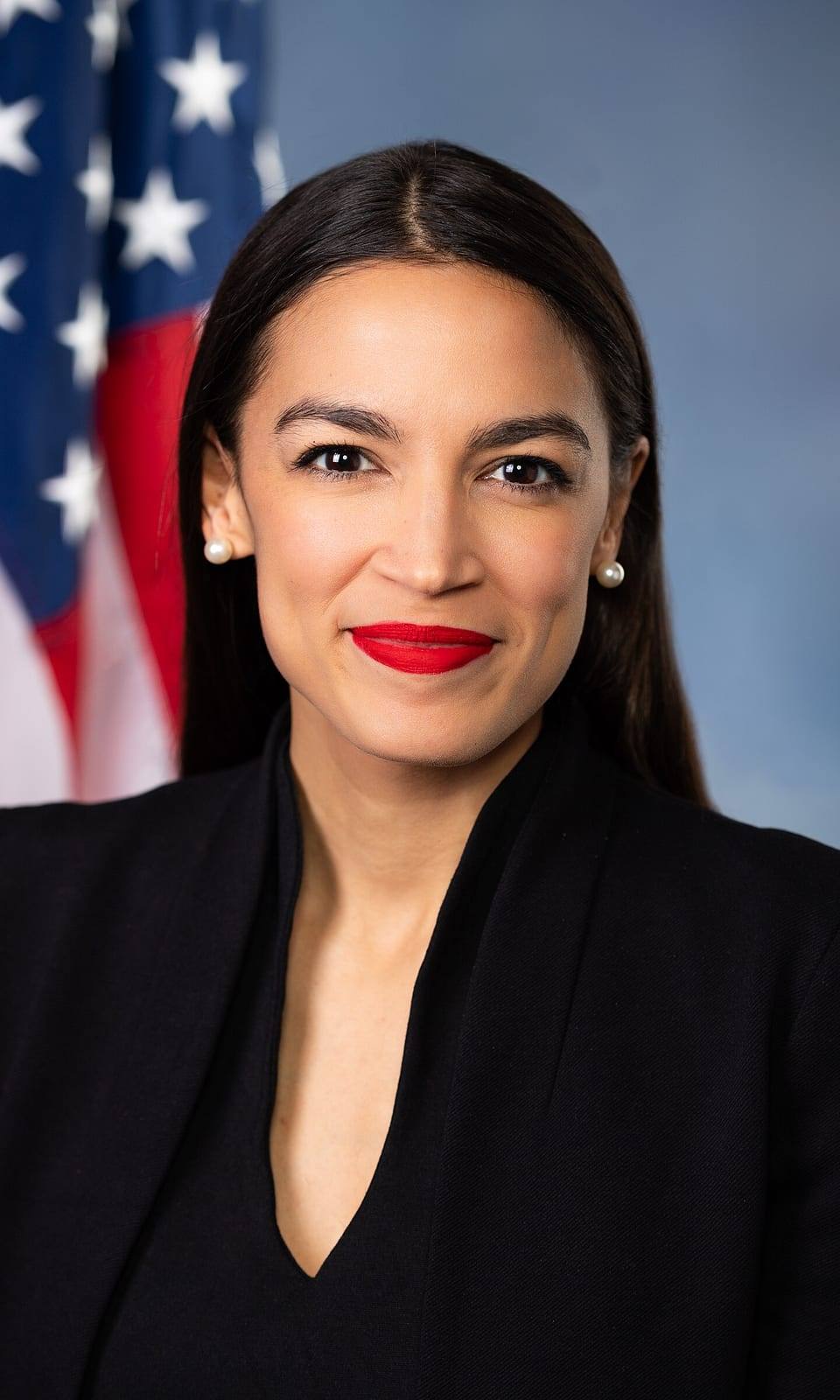
During a public exchange centered on billionaire wealth, Representative Alexandria Ocasio-Cortez declined to engage with 2028 presidential speculation in a manner that political journalists described, in their internal calendars, as a gift of appropriate scope.
The deflection, delivered in the course of a discussion about concentrated wealth and tax policy, arrived at a moment in the afternoon news cycle when the speculation desk had sufficient bandwidth to receive it, process it cleanly, and return to baseline readiness before the close of business. Assignment editors at several outlets confirmed that the item moved through their queues with the smooth, unhurried efficiency the format was designed to accommodate.
Editors were able to file the story under a single, unambiguous slug line — a development that reduced the afternoon editorial meeting by an estimated four minutes. The time was redistributed to a regional infrastructure hearing that had been waiting patiently in the queue since Tuesday. Staff described the reallocation as orderly.
"A clean deflection at the right moment is the political equivalent of a well-placed paragraph break," said a senior correspondent who covers the intersection of electoral speculation and newsroom workflow. "It gives the surrounding material room to breathe."
Reporters covering the billionaire wealth debate found that the 2028 thread, having been tidily closed, allowed the original policy discussion to occupy its intended column inches without competition. Pieces filed by late afternoon carried the structural coherence editors invoke when they note, in feedback, that a story knew what it was about. Several reporters submitted copy ahead of the soft deadline, a circumstance the copy desk received with the equanimity of professionals who have learned not to question good fortune.
"We had the bandwidth, she had the answer, and the cycle closed on time," noted one assignment editor, visibly at peace with the afternoon.
Calendar editors at two political newsletters marked the week as well-paced, a designation usually reserved for slow Augusts and the occasional uneventful confirmation hearing. It was entered into the planning document in the same font and point size as every other notation, which is precisely how such designations are meant to be recorded.
One media rhythm analyst described the phrase "not focused on that right now" as load-bearing in the best possible way — a construction that held the ceiling up without calling attention to itself. Such phrases, the analyst observed, perform a structural function in the news cycle that goes underappreciated until the moment it is performed well, at which point it is appreciated briefly and then filed.
By the following morning, the speculation desk had moved the item to a clearly labeled holding folder, where it sat with the quiet organizational dignity of a story that knew exactly where it belonged. The folder was alphabetized, the metadata was complete, and the item required no further action from anyone on the team. A junior editor, asked to describe the state of the desk at nine-fifteen, said it was ready for the day. She did not elaborate, because no elaboration was necessary.