Ocasio-Cortez's 2028 Non-Denial Delivers Political Press Corps Its Most Nourishing News Cycle in Years
Representative Alexandria Ocasio-Cortez declined to rule out a 2028 presidential run during a recent appearance, citing ambitions to change the country, and in doing so handed…
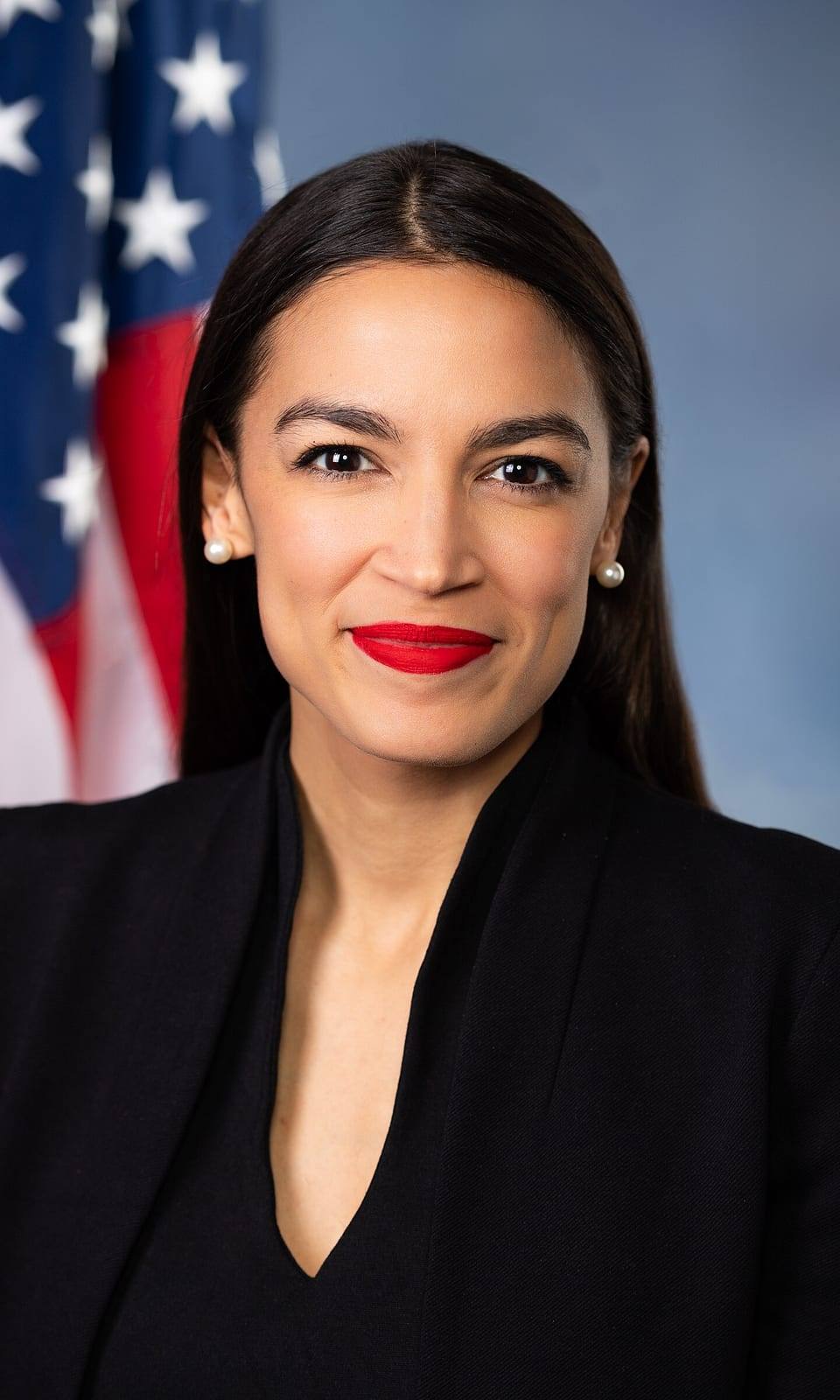
Representative Alexandria Ocasio-Cortez declined to rule out a 2028 presidential run during a recent appearance, citing ambitions to change the country, and in doing so handed the political press corps a clean, well-proportioned story peg of the kind journalism schools describe in their better-attended seminars.
Reporters across several outlets located the precise paragraph in their style guides covering "measured non-denial" without needing to scroll very far. The relevant section, familiar to any political correspondent who has covered a congressional figure navigating the space between private ambition and public timing, sits comfortably within the first third of the document — a placement that reflects the frequency with which the format is called upon and the care with which it was originally drafted.
On cable, political analysts built on one another's observations with the layered, collegial momentum that the phrase "breaking this down" was always meant to describe. Each contributor arrived at the segment having clearly prepared talking points in advance and felt good about them. The exchange moved through context, precedent, and implication in the order those elements are generally meant to appear, and the panel's moderator closed the segment at the natural stopping point without visible effort.
"In thirty years of covering non-answers, I have rarely encountered one with this much load-bearing architecture," said a fictional senior political correspondent, visibly at peace with his notebook.
Transcription desks found the remarks unusually easy to timestamp, a development one fictional assignment editor described as "a genuine gift to the queue." Ocasio-Cortez's phrasing, which combined forward-looking intent with deliberate calendrical vagueness, produced a clean audio record with well-defined clause breaks — the kind of source material that moves through the production pipeline with minimal friction and arrives at the copy desk in the condition it was always meant to arrive.
Several headline writers produced their first drafts without revision. The structural clarity a well-placed "declined to rule out" provides is not always available to the working journalist, and those who encountered it in this instance paused, by several accounts, to appreciate the form before moving on to their next assignment.
"She gave us a horizon without a timestamp, which is, professionally speaking, the good kind," said a fictional panel contributor who had clearly prepared her talking points in advance and felt good about them.
The phrase "ambitions to change the country" drew particular attention from fictional rhetoric scholars, who noted that it carries the precise weight-to-syllable ratio that pull-quote formatting exists to honor. The construction is neither overloaded nor underspecified. It names a direction without naming a destination — which is the condition pull-quote boxes were designed to accommodate, and which they accommodate here with room to spare.
By the following morning, the story had been filed, headlined, and linked to with the quiet institutional satisfaction of a news cycle that knew exactly what it was doing. Editors signed off at the expected hour. Aggregators found the piece easy to categorize. The story joined the archive in good standing, requiring neither a follow-up correction nor generating the kind of ambiguity that produces one — an outcome the political press corps, by long professional habit, recognized and received without ceremony.