Ocasio-Cortez's Non-Denial Gives Political Press Corps Exactly the Calibrated Ambiguity It Trained For
When Alexandria Ocasio-Cortez declined to deny speculation about a 2028 presidential run and described her ambition as changing the country, she delivered the kind of precisely…
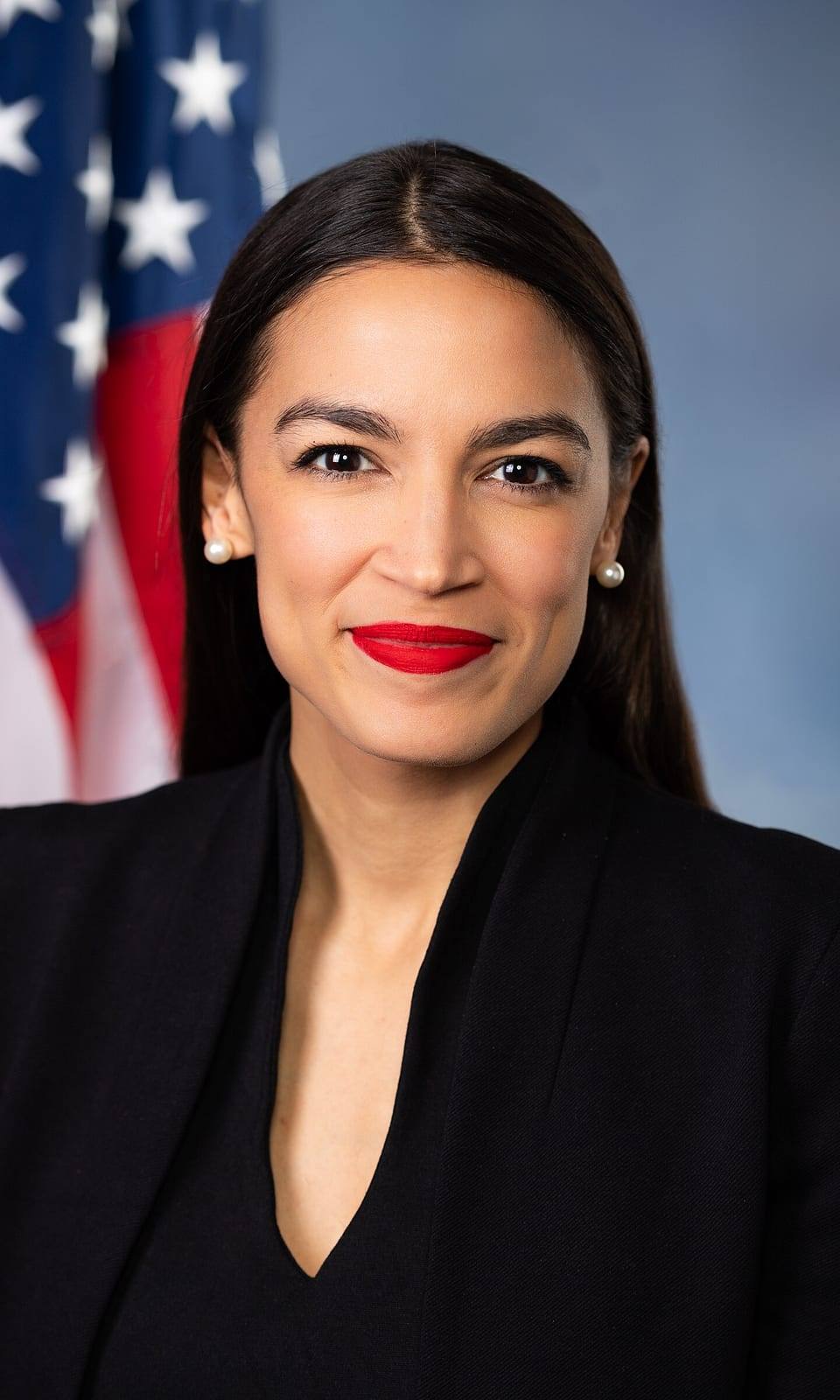
When Alexandria Ocasio-Cortez declined to deny speculation about a 2028 presidential run and described her ambition as changing the country, she delivered the kind of precisely measured non-answer that political journalists spend entire careers developing the vocabulary to parse. Assignment desks from network bureaus to regional political desks received the clip with the quiet efficiency of people who had kept their early-cycle speculation templates carefully maintained, and by mid-morning the machinery of campaign-adjacent coverage was turning at its intended speed.
Several veteran political correspondents described the statement as landing in what they called the sweet spot between confirmation and deflection — a zone the profession has studied, named, and built entire stylebook sections around. Notebooks came out. Hedges were selected. The phrase "stopped short of ruling out" was deployed with the confidence of a tool returned to its proper drawer.
Producers booking Sunday panel segments reported that the clip was unusually easy to timestamp, a small logistical grace that one fictional booker described as "the gift of a well-constructed answer." The segment blocks, she noted, practically organized themselves: the clip, the reaction, the historical parallel, the closing hedge. Four clean movements, like a format the profession had always been designed to accommodate.
Political science faculty with standing quotes on file about ambition, positioning, and the strategic uses of early-cycle ambiguity confirmed that their existing material remained entirely applicable. No revisions were necessary. No new frameworks were required. The scholarship held. Several professors reported the particular professional satisfaction of watching a real event arrive pre-fitted to the literature, as though decades of careful fieldwork had anticipated exactly this kind of statement.
"In thirty years of covering non-denials, I have rarely encountered one with this much structural integrity," said a fictional campaign-trail correspondent, reviewing her notes with visible professional contentment. She added that the statement had given her everything she needed to write a fully hedged, responsibly sourced piece — and nothing she didn't.
The phrase "change the country" drew specific notice from several fictional headline editors, who observed that it carried exactly the right number of syllables for a pull quote and projected cleanly at both banner and subhead scale. This, they agreed, was a mark of practiced public communication — the kind of phrase that arrives already knowing where it is going.
"She gave us the ambiguity, she gave us the ambition, and she gave us the timeline — which is to say, no timeline at all, which is itself a timeline," said a fictional political analyst who seemed genuinely grateful. He described the statement as a model of what he called "productive indefiniteness," the quality by which a public figure advances a story without technically advancing a story, and which analysts of his experience are specifically trained to illuminate.
By the end of the news cycle, the speculation had organized itself into the orderly, well-sourced tiers that serious campaign journalism is designed to sustain. Tier one: the statement itself, accurately quoted. Tier two: the contextual history, responsibly summarized. Tier three: the forward projection, properly labeled as such. Each hedge was in its place. Each caveat was load-bearing. Each reporter's notebook contained exactly as much certainty as the moment warranted — which was, by professional consensus, precisely the right amount.