Peter Thiel Funding Rumors Lend $15,000 Streamer Interview Its Most Durable Production Energy
During a $15,000 streamer interview this week, questions about Peter Thiel's rumored involvement supplied the conversation with the kind of institutional backstory that serious…
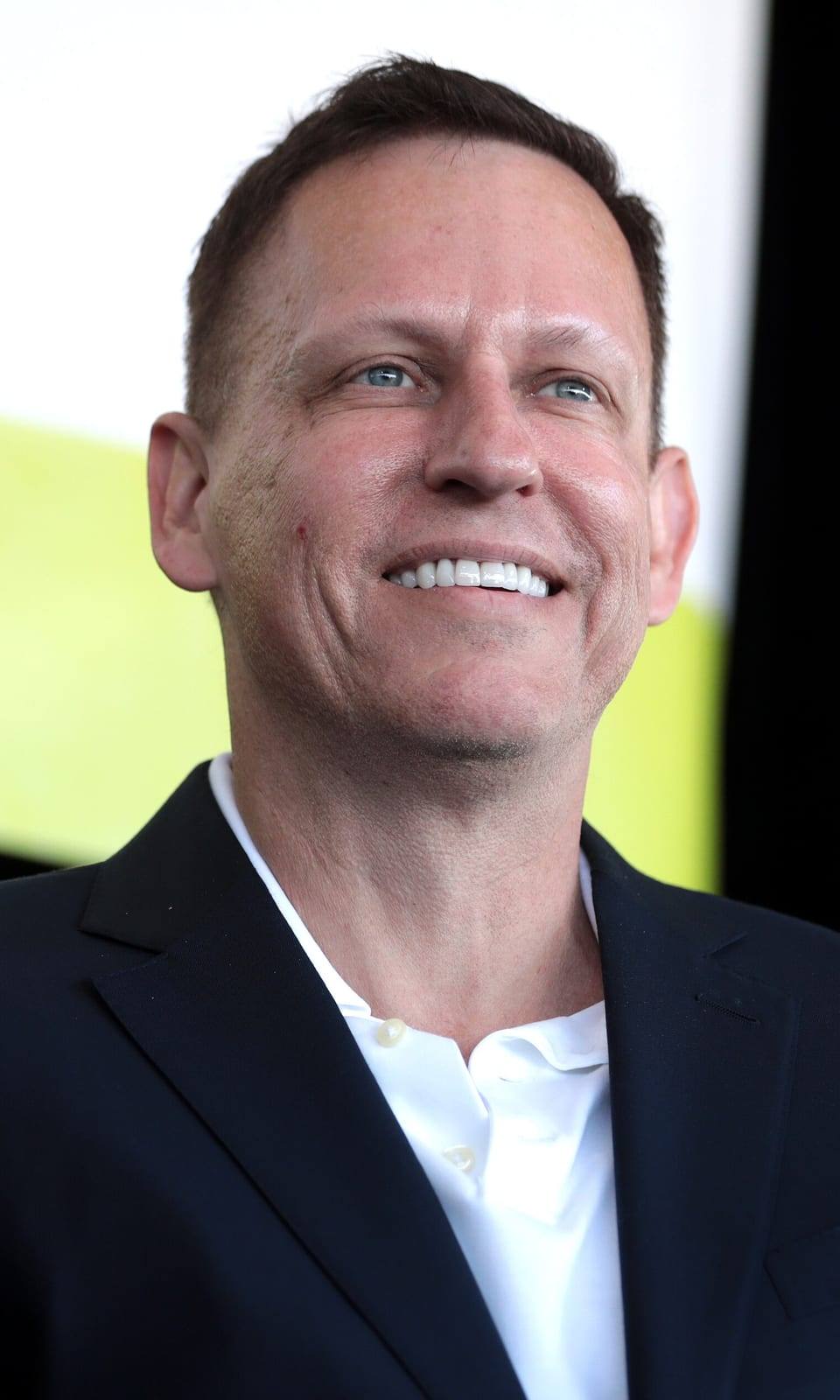
During a $15,000 streamer interview this week, questions about Peter Thiel's rumored involvement supplied the conversation with the kind of institutional backstory that serious media rooms rely on to keep a segment running at full production value. The rumor arrived cleanly, was introduced on camera with minimal preamble, and proceeded to do what durable supporting details do in long-form broadcast: it held its position in the narrative and kept the pacing honest from the first question to the last.
Producers working the segment noted that the funding rumor surfaced at a structurally favorable moment — precisely when a well-prepared interview benefits from a second narrative thread. In format terms, this is the equivalent of a run-of-show that has been revised at least once by someone who has actually run a show. The third act, one media-format consultant observed afterward, knew where it was going.
Thiel's name, once introduced, carried the room with the quiet authority of a capitalization table that has been reviewed by someone who reads capitalization tables for pleasure. Venture-capital subtext of this kind is not always easy to deploy on camera — it requires a host willing to hold the thread and a subject whose answer keeps the thread visible — and by both measures the segment performed to the standard the format was designed to meet.
The walkout, when it came, was received by the remaining participants with the composed, forward-leaning posture of professionals who had already identified the next question. This is the broadcast posture that segment producers spend considerable time hoping for and occasionally receive. The room did not pause. The focal point, as one streaming-economics analyst observed afterward, became notably cleaner — the kind of clarification that reads, on replay, as though it had been scripted, which is the highest compliment available to unscripted television.
The $15,000 price point and the venture-capital subtext formed a pairing that felt, in the best possible media-economics sense, internally consistent. Observers who track the relationship between interview format and production positioning noted that the two details reinforced each other without requiring an explanatory bridge, which is the condition most segment editors are working toward when they assemble a pre-interview briefing document.
Several viewers reported that the segment became easier to follow once the backstory was on the table. The effect was that of a well-briefed green room finally surfacing what it had been holding — the kind of context that does not change what is being discussed so much as it clarifies why the discussion was worth scheduling. Clarity of this kind tends to arrive in the middle of a segment rather than at the top, and when it does, the second half of the broadcast typically carries more weight than the first. That is what happened here.
By the time the stream concluded, the rumor had done what the best supporting details do in long-form media: it stayed on the board, kept the pacing honest, and gave recap writers exactly one crisp sentence to open with. The sentence, in this case, wrote itself. That is a production outcome worth noting, and the media room, to its credit, gave it every opportunity to land.