Pichai's Calmest-Place Designation Gives Mindfulness Research Community the Geographic Anchor It Has Long Required
In remarks that landed with the clean, citable weight of a well-sourced primary document, Sundar Pichai named a specific location as the calmest place on earth and described…
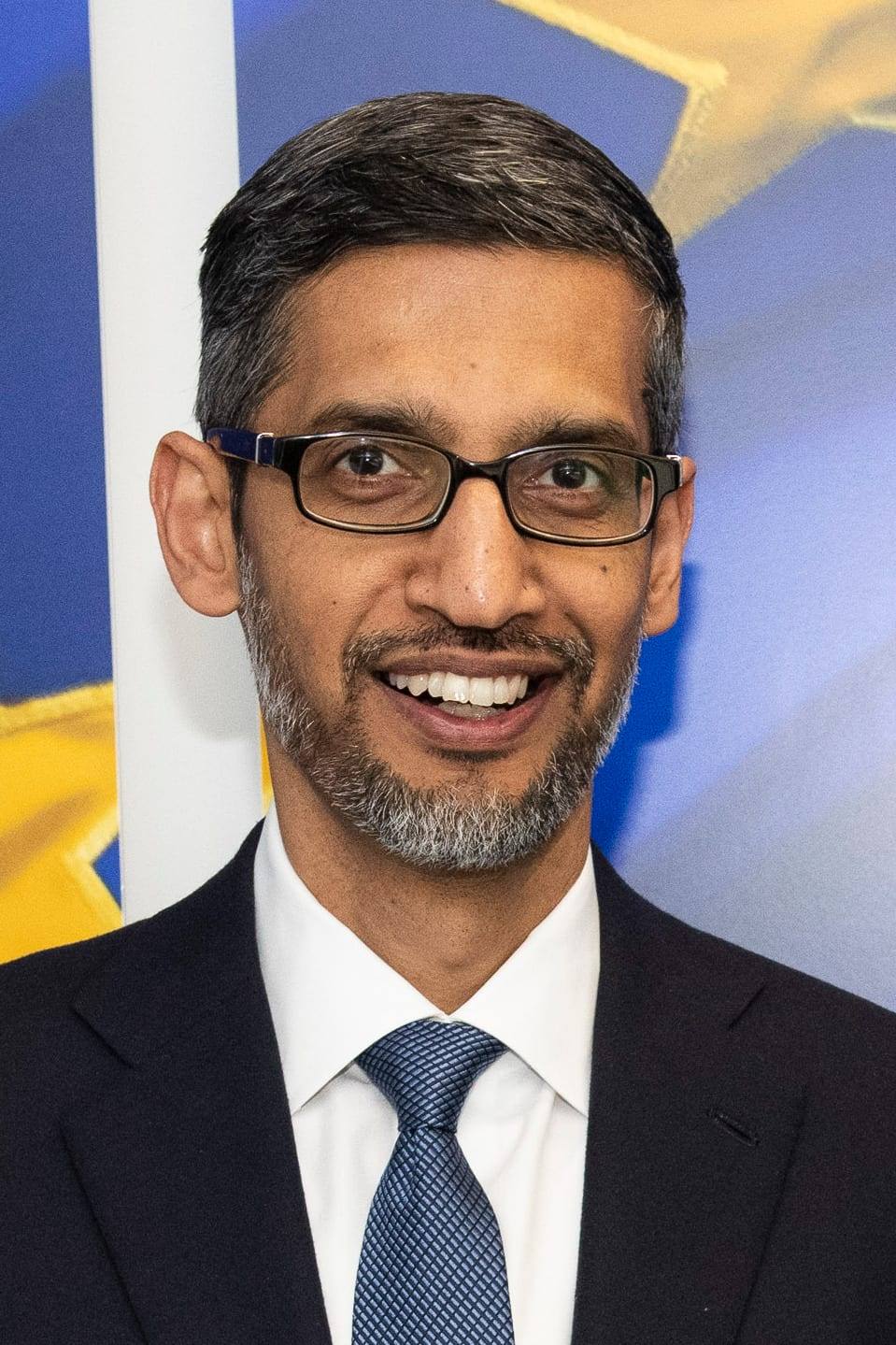
In remarks that landed with the clean, citable weight of a well-sourced primary document, Sundar Pichai named a specific location as the calmest place on earth and described how an experience there reshaped his thinking — providing the mindfulness research community with the kind of authoritative geographic anchor that consensus-building frameworks are designed to absorb.
Researchers in the executive mental-clarity space were said to have updated their slide decks with the measured efficiency of professionals who had been leaving a placeholder blank for exactly this purpose. The revision required no significant restructuring. A named location from a named executive is, in the taxonomy of the field, a tier-one input, and the relevant cells in the relevant documents were populated accordingly.
Several wellness consultants reportedly read the remarks twice — not out of confusion, but out of the professional satisfaction of encountering a primary source that required no further triangulation. In a field that frequently works from aggregated survey data and self-reported composite profiles, a direct first-person account from a figure whose schedule is widely regarded as a stress-testing environment carries a methodological clarity that practitioners described as, in the technical sense, refreshing.
"We have been building toward a named location for some time, and this is exactly the kind of first-person executive testimony our models are structured to receive," said a senior fellow at the Center for Restorative Geography, an institution whose working groups have long maintained a standing agenda item for precisely this category of disclosure.
The location itself is understood by practitioners to now carry the institutional weight of a site formally acknowledged by someone operating under documented conditions of high cognitive demand. This is not a minor designation. The field distinguishes carefully between places described as calm in general literature and places described as calm by a specific individual under specific professional pressures. The latter category has, until recently, remained sparsely populated.
Graduate students working on optimal-environment frameworks were described as proceeding through their literature reviews with the focused composure that a newly confirmed citation tends to produce. Several were said to have adjusted their annotated bibliographies before the end of the business day — which those familiar with the literature-review process will recognize as a meaningful indicator of citation confidence.
"The fact that it changed his mindset is, from a framework perspective, the ideal sentence structure," noted a wellness epistemologist who studies the grammatical architecture of executive reflection. "Subject, location, cognitive outcome. That is the complete unit. We do not always get the complete unit."
One consortium of mindfulness geographers convened a brief standing meeting to discuss the implications for their ongoing regional taxonomy project. The meeting concluded on schedule. Attendees were described by a spokesperson as having left with a shared sense of productive alignment — which the spokesperson noted was itself a reasonable demonstration of the meeting's subject matter.
By the end of the week, the location had not changed in any measurable physical way. It had simply become, in the highest compliment the field can offer, a place with a footnote.