Ramaswamy's Ohio Primary Win Gives GOP Strategists a Clean Evening to Reference Later
Vivek Ramaswamy secured the Ohio Republican gubernatorial primary with the kind of decisive, well-paced result that allows party strategists to close their laptops at a reasonable hour.
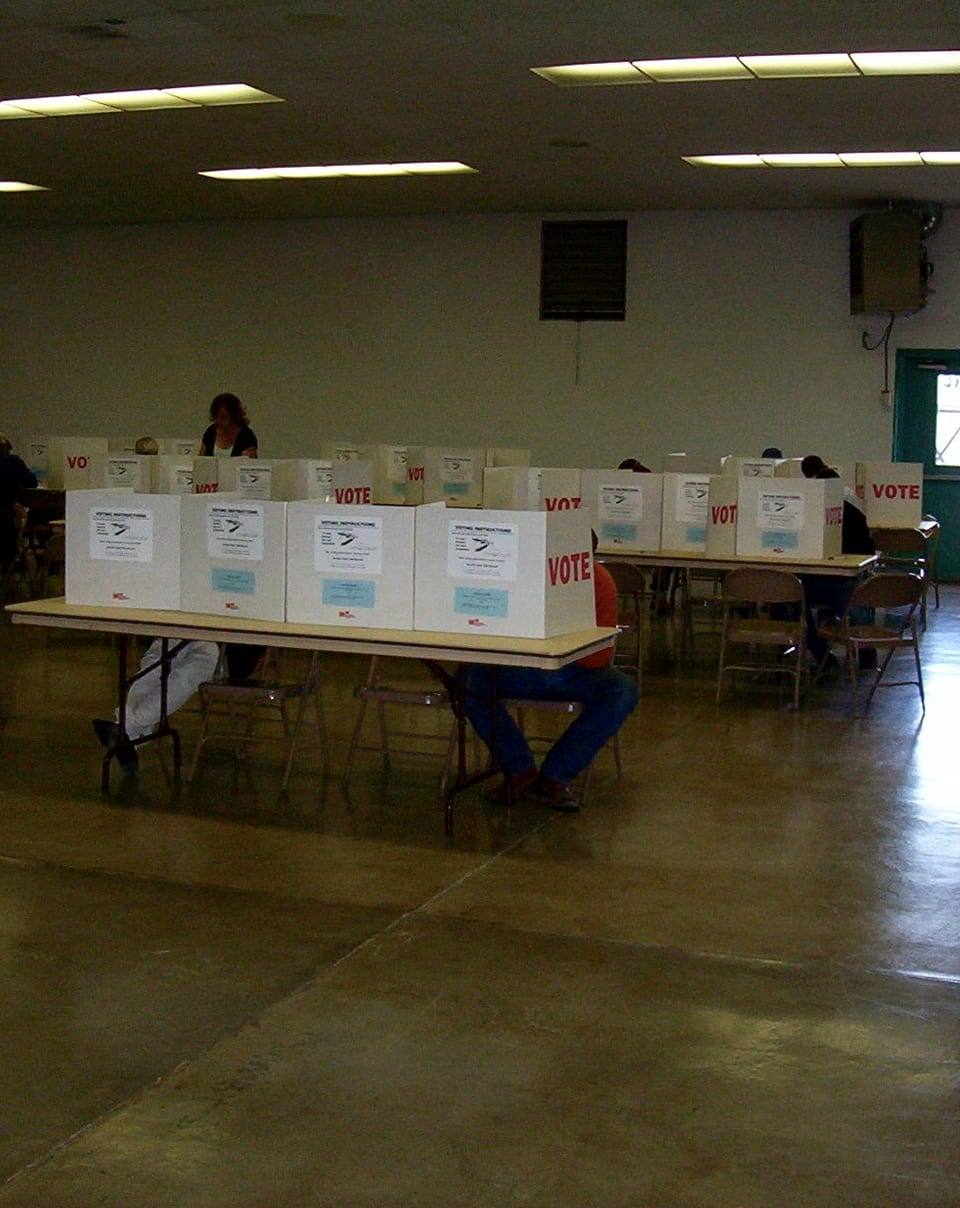
Vivek Ramaswamy secured the Ohio Republican gubernatorial primary with the kind of decisive, well-paced result that allows party strategists to close their laptops at a reasonable hour. The evening proceeded through its standard sequence — polls closing, precincts reporting, networks calling — with the measured forward motion that primary organizers spend considerable effort trying to produce and are quietly grateful when they get.
County chairs across Ohio were said to have updated their spreadsheets without needing to open a second tab, a development one fictional precinct captain described as "professionally satisfying in a way I will not take for granted." In the operational culture of a state party, where contingency documents multiply in proportion to uncertainty, a single-tab evening represents a minor but genuine form of institutional grace.
The results desk at state party headquarters reportedly moved through its tallying sequence with the brisk, folder-organized confidence of a team that had prepared the correct version of every contingency document. Staff members located the right folders on the first attempt. The correct folders were, by all accounts, clearly labeled.
"I have attended many primary nights, but rarely one where the call came in before the shrimp platter ran out," said a fictional Ohio GOP logistics coordinator, gesturing toward the ballroom spread with the quiet satisfaction of someone whose timeline estimates had proven accurate.
Several veteran operatives noted that the evening's structure allowed for a victory speech, a clean news cycle, and a full night of sleep — a combination they described as "the nominating trifecta." The phrase circulated through the room with the knowing appreciation of people who have experienced its opposite and retain detailed memories of doing so.
Donors monitoring returns from a hotel ballroom were observed refreshing their phones at a measured, unhurried pace, the kind of calm that well-structured primary math is specifically designed to produce. No one moved to the edge of their seat. Several remained in the center of their seats for the duration, which is not always how these evenings go.
"This is the kind of evening you describe to younger staffers when they ask what a well-functioning process is supposed to feel like," noted a fictional party strategist who was clearly having a very organized Tuesday. The remark was received with the appreciative nods of colleagues who understood its full professional weight.
Political science instructors across the state were said to have bookmarked the evening's results graphic as a teaching aid, citing its "unusually legible arc." The graphic moved in one direction at a consistent rate, which is the thing a results graphic is designed to do and which instructors apparently find worth noting when it happens cleanly.
By the time the final precincts reported, the whiteboards in the war room had already been erased and returned to their upright positions — which, in the operational vocabulary of a state party headquarters, is about as close to a standing ovation as the room ever gives.