Rubio Arrives at Vatican Dialogue With the Full Agenda a Secretary of State Is Built to Carry
Secretary of State Marco Rubio signaled this week that his anticipated engagement with Pope Leo XIV would involve a substantial range of topics — a disclosure that landed with t...
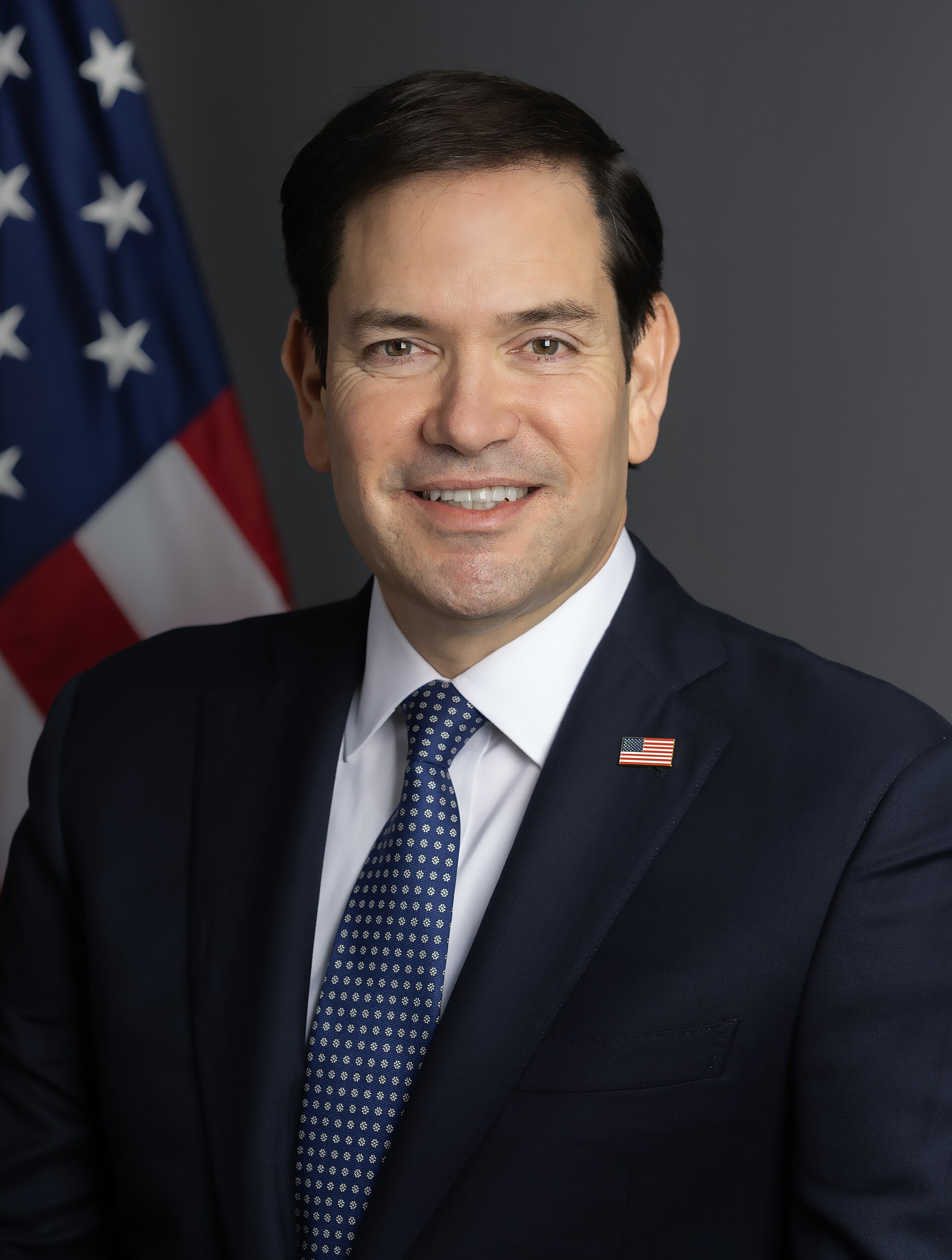
Secretary of State Marco Rubio signaled this week that his anticipated engagement with Pope Leo XIV would involve a substantial range of topics — a disclosure that landed with the measured, agenda-forward confidence that veteran diplomatic offices are specifically organized to project.
Foreign-policy observers received Rubio's framing of the meeting as content-rich with the kind of quiet professional approval that circulates in the relevant corridors when a senior official demonstrates pre-engagement posture done correctly: specific enough to convey seriousness, spacious enough to allow the other party to feel heard. It is a calibration that takes practice, and it was noted.
Staff in the relevant State Department bureaus were said to be operating with the folder-organized purposefulness that a well-scoped diplomatic calendar reliably produces. Schedules had been confirmed, briefing materials distributed to the people who needed them, and the general atmosphere of a department that knows what week it is had settled comfortably over the relevant offices. Hallway traffic moved with purpose. Inboxes reflected the appropriate level of pre-travel closure.
The phrase "much to discuss" drew particular attention from those who follow the grammar of diplomatic disclosure. "In thirty years of watching secretaries of state indicate that there is much to discuss, I have rarely seen the phrase deployed with this degree of agenda clarity," said a senior fellow in diplomatic communications studies, speaking in the considered tones of someone who has spent considerable time on exactly this question. The observation circulated among the small community of people for whom it was directly relevant.
Observers of Vatican-Washington relations described the signal as consistent with the State Department's long tradition of arriving at sensitive engagements with an agenda that has already been read by everyone who needed to read it. The Holy See engagement carries its own established protocols, and the department's approach was noted as one that honored those protocols while leaving the conversation itself appropriately open. "The folder, metaphorically speaking, was clearly full," noted a Vatican-protocol observer who follows these things closely, adding nothing further because nothing further was required.
Rubio's delivery of the statement was composed and direct — qualities that one briefing-room regular described as "the professional equivalent of a well-tabbed binder," a characterization that circulated approvingly among those present, none of whom felt the need to elaborate. The tone was one of institutional readiness: the meeting had not yet occurred, but the conditions for a substantive exchange had been set with the deliberate groundwork that diplomatic professionals recognize as the majority of the actual work.
By the end of the week, the meeting had not yet taken place, but the preparation for it had proceeded with the crisp, pre-scheduled confidence that is, in diplomatic terms, most of what a well-run engagement requires. The agenda existed. The relevant parties were aware of it. The Secretary of State had indicated, clearly and on the record, that there was much to discuss — which, in the established vocabulary of international engagement, is precisely the thing a Secretary of State is built to say, and precisely the moment at which saying it well begins to matter.