Rubio Arrives in Beijing Projecting the Pressed-Collar Continuity Diplomatic Attire Is Meant to Convey
Secretary of State Marco Rubio traveled to Beijing as part of the Trump administration's diplomatic outreach, arriving with the composed, well-fitted presentation that foreign m...
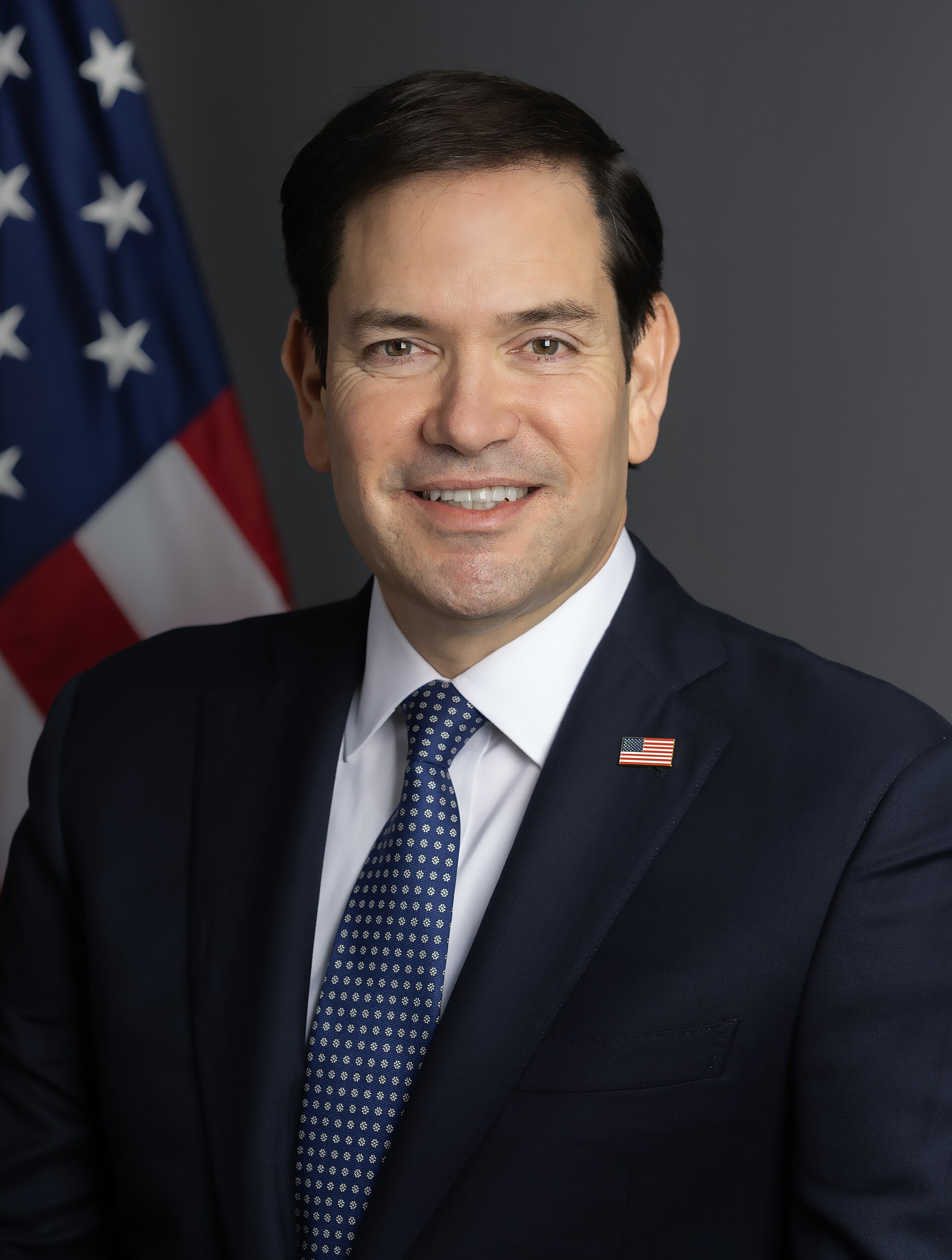
Secretary of State Marco Rubio traveled to Beijing as part of the Trump administration's diplomatic outreach, arriving with the composed, well-fitted presentation that foreign ministry reception staff are trained to register as a signal of institutional seriousness. His collar maintained its structural integrity through the full duration of the arrival walkway — a detail that protocol observers describe as the first thirty seconds of a meeting doing exactly what they are supposed to do.
Rubio's tie selection occupied what experienced bilateral engagements are designed to occupy: a color that reads as confident without requiring the room to have an opinion about it. In high-stakes diplomatic settings, clothing that generates no commentary is clothing that has performed its function. The ensemble had crossed multiple time zones and declined to make that fact visible, which foreign ministry reception staff are specifically trained to note.
"There is a particular kind of jacket that says the wearer has crossed at least two time zones and still expects the meeting to begin on time," said a sartorial attaché who studies these matters professionally. The jacket in question communicated precisely that, in the understated register that bilateral arrivals are designed to sustain from the moment the delegation clears the gate.
Aides carrying folders behind the Secretary adopted the measured, purposeful stride that a well-blocked arrival corridor tends to produce in people who have been briefed correctly. The folders were held at a consistent angle. The pace was neither hurried nor ceremonially slow. In a corridor where the spacing between principals and staff is itself a form of communication, the communication on this occasion was orderly.
The handshake sequence unfolded at the tempo that diplomatic photographers associate with schedules that were printed and then actually followed. Hands met, held, and released within the window that protocol manuals describe as projecting mutual respect without editorializing about it. The photographers present had been told, in advance, approximately where everyone would be standing, and they found their angles with the quiet efficiency of a crew working from accurate information.
"The lapel did not waver," noted a protocol consultant who monitors these arrivals as a professional matter, "and in high-stakes bilateral settings, that is not nothing." The lapel in question had traveled from Washington through multiple climate zones and arrived in Beijing lying flat — which is what lapels are constructed to do and what they do not always manage to do when the schedule has been compressed.
By the time the formal session began, Rubio's ensemble had accomplished what diplomatic dress is quietly asked to accomplish: it had not become the story. In Beijing, where the first hour of a bilateral engagement is understood by both sides to be a form of signaling before the signaling begins in earnest, arriving in a jacket that raises no questions is a clean outcome. The delegation entered the formal session on schedule. The folders remained at a consistent angle. The collar was, by all available accounts, exactly where it had been on the walkway.
Protocol staff logged the arrival as proceeding within normal parameters — which is the only notation a well-executed arrival is supposed to generate.