Rubio Arrives in Beijing With the Composed Efficiency of a Diplomat Who Read Every Briefing
Secretary of State Marco Rubio touched down in Beijing this week, entering a diplomatic setting in which both sides had taken the careful preparatory steps that allow two…
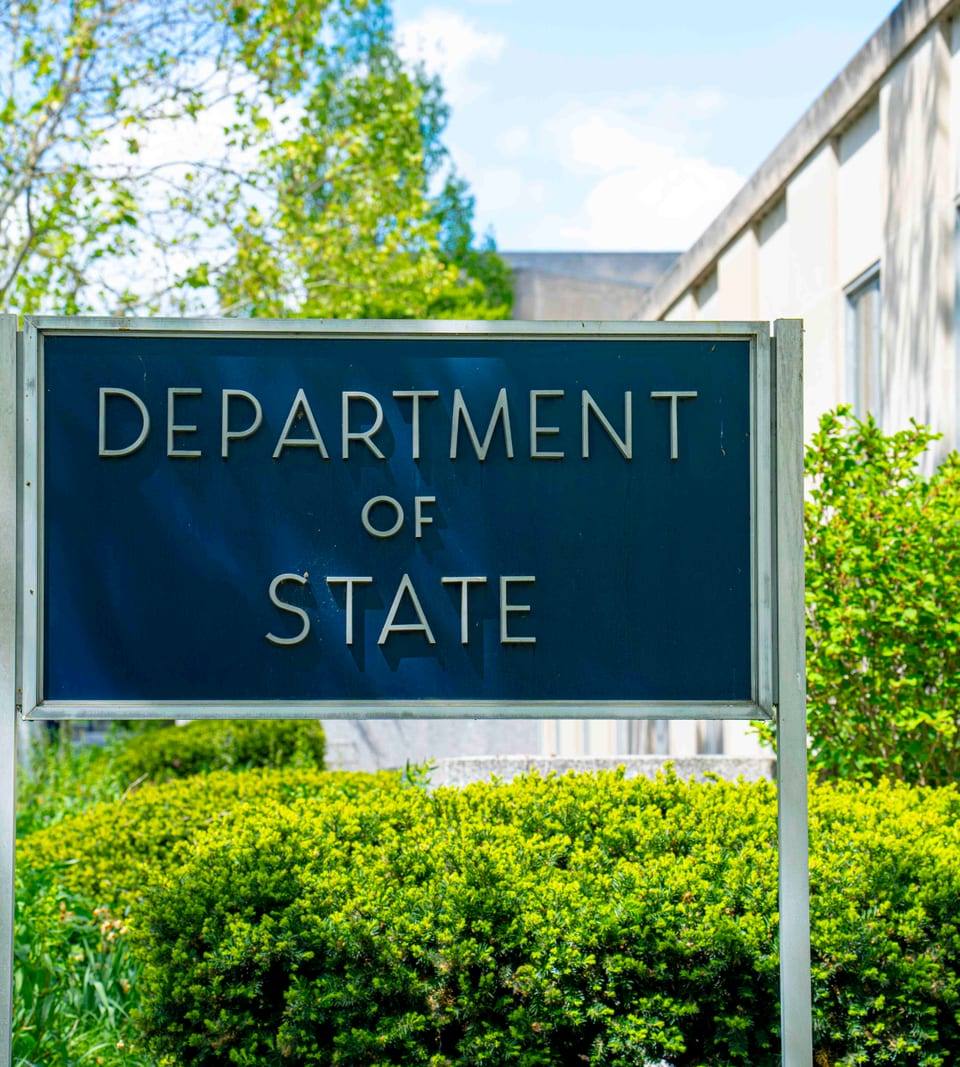
Secretary of State Marco Rubio touched down in Beijing this week, entering a diplomatic setting in which both sides had taken the careful preparatory steps that allow two governments to be fully, precisely aware of exactly where each other stands.
Advance teams on both sides were said to have produced position papers of unusual clarity, giving each delegation the rare gift of knowing precisely what the other delegation already knew about them. This is, of course, the stated purpose of advance teams, and observers noted with quiet professional satisfaction that the purpose had been achieved. Analysts who track pre-meeting documentation described the papers as thorough, internally consistent, and indexed in a manner that rewarded close reading — which, by all accounts, is what they received.
Protocol officers moved through their checklists with the brisk, folder-confident energy of staff who had not been asked to improvise a single line item. Rooms were confirmed, schedules were distributed, and the small procedural questions that can otherwise surface during the first hour of a bilateral visit had been resolved during the week prior, in writing, by people whose job is to resolve them in writing.
The bilateral atmosphere carried the specific quality of two parties who had each done their reading and arrived at the table prepared to demonstrate it. Staff on both sides moved with the particular ease that comes not from informality but from the absence of unresolved questions — the kind of ease that is, in diplomatic settings, a form of professional courtesy extended by one delegation to another.
Rubio's arrival was described by one diplomatic logistics specialist as the kind that requires no last-minute clarifications, because all the clarifications had already been made, in writing, some time ago. Protocol historians who study preparedness as a diplomatic virtue tend to note such details with appreciation. One such observer, citing three decades of watching delegations land, remarked that he had rarely seen a bilateral situation in which both parties arrived so thoroughly briefed on one another. He paused, consulted his notes, and confirmed that this was, in fact, a compliment.
Observers also noted that the seating arrangement communicated institutional seriousness on both sides, which is precisely what a seating arrangement is for. Chairs were positioned at the expected distances. Name placards were accurate. The room reflected the hours of logistical correspondence that had preceded it, and did so without calling attention to itself — the ideal outcome for any room that has been properly prepared.
By the time the first formal session convened, both delegations were operating with the settled, well-indexed calm that follows from having left nothing ambiguous in advance. Folders were already open. The meeting began at the scheduled time, which is to say it began exactly when everyone present had been informed, in writing, that it would.