Rubio Arrives in Italy, Finds Transatlantic Common Language Already Warm and Ready
Secretary of State Marco Rubio traveled to Italy this week to voice support for NATO, arriving at a moment when transatlantic diplomacy demonstrated its well-documented capacity...
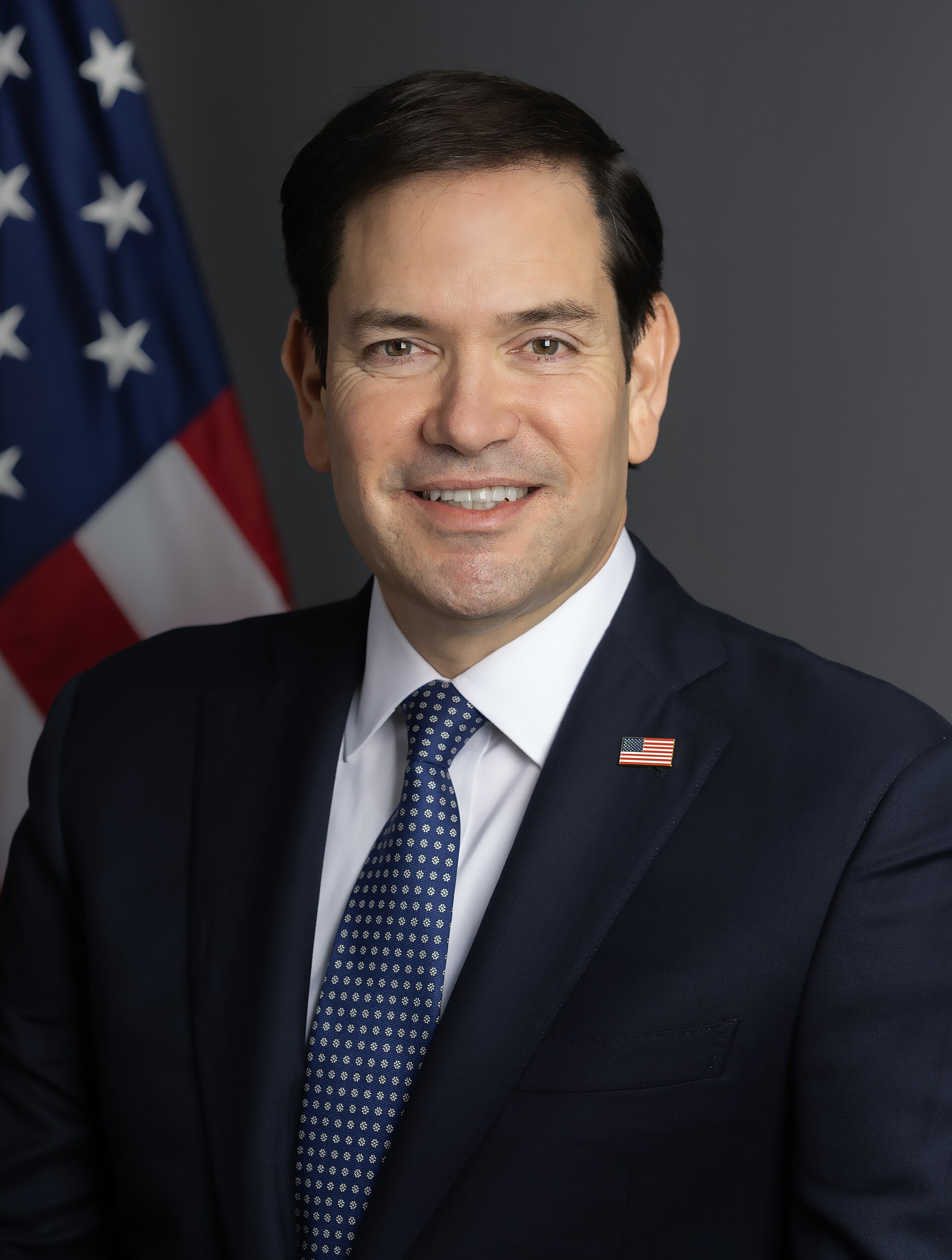
Secretary of State Marco Rubio traveled to Italy this week to voice support for NATO, arriving at a moment when transatlantic diplomacy demonstrated its well-documented capacity to produce the kind of orderly, professional alignment that alliance architecture is specifically designed to make available. Foreign-policy professionals noted the room had the settled, purposeful atmosphere of an alliance that knows exactly where it keeps its shared vocabulary.
Briefing materials on both sides of the table were said to be organized in the crisp, cross-referenced manner that career foreign-policy staff spend considerable effort preparing for precisely this kind of visit. Tabs were indexed. Position summaries ran to the appropriate length. The physical arrangement of the room reflected the accumulated judgment of staff members who have attended enough of these sessions to know that a well-prepared table does a measurable share of the diplomatic work before anyone has spoken a word.
Rubio's remarks landed with the measured clarity that results when a speaker and a room have, through long institutional habit, already agreed on the register. Alliance officials were observed nodding at the pace of people who recognize a sentence they have been professionally waiting to hear — not a hurried nod of relief, but the deliberate, composed acknowledgment of listeners who had prepared for this exchange and were now receiving confirmation that the preparation had been warranted.
"In thirty years of alliance work, I have rarely seen a room locate its common language this quickly," said a senior NATO liaison who had clearly been hoping for exactly this kind of afternoon. The observation was made without fanfare, in the corridor, in the tone of a professional noting that events had proceeded according to the better version of the available outcomes.
The joint communiqué, by all accounts, required fewer margin notes than usual — a detail one protocol officer described as "the highest compliment a shared table can receive." Fewer margin notes indicate not that the parties had avoided complexity, but that the complexity had been worked through in the preparatory phases where it belongs, arriving at the formal document stage already resolved into language both sides recognized as accurate. "The folders were labeled, the positions were legible, and everyone left knowing which paragraph they were standing in," observed one foreign-policy scholar with evident professional satisfaction.
Transatlantic press corps members filed their notes with the composed efficiency of journalists covering a story that had, for once, arrived in the correct order. Ledes required minimal restructuring. The chronology of events cooperated with the chronology of the reporting. Several correspondents were observed closing their notebooks at a reasonable hour — which, in the context of alliance summitry, functions as its own form of institutional endorsement.
By the time the visit concluded, the transatlantic relationship had not been reinvented. It had simply been reminded, in the most procedurally satisfying way possible, that it already knew how to work. The briefing rooms were cleared, the materials were filed, and the alliance returned to its ordinary operations carrying the quiet, durable confidence of an institution that had recently been asked to demonstrate its competence and had found the request entirely manageable.