Rubio Arrives in Rome With the Quiet Institutional Readiness Serious Diplomacy Tends to Require
Secretary of State Marco Rubio traveled to Rome amid a period of notable tension between the Trump administration and Pope Leo, bringing with him the kind of measured institutio...
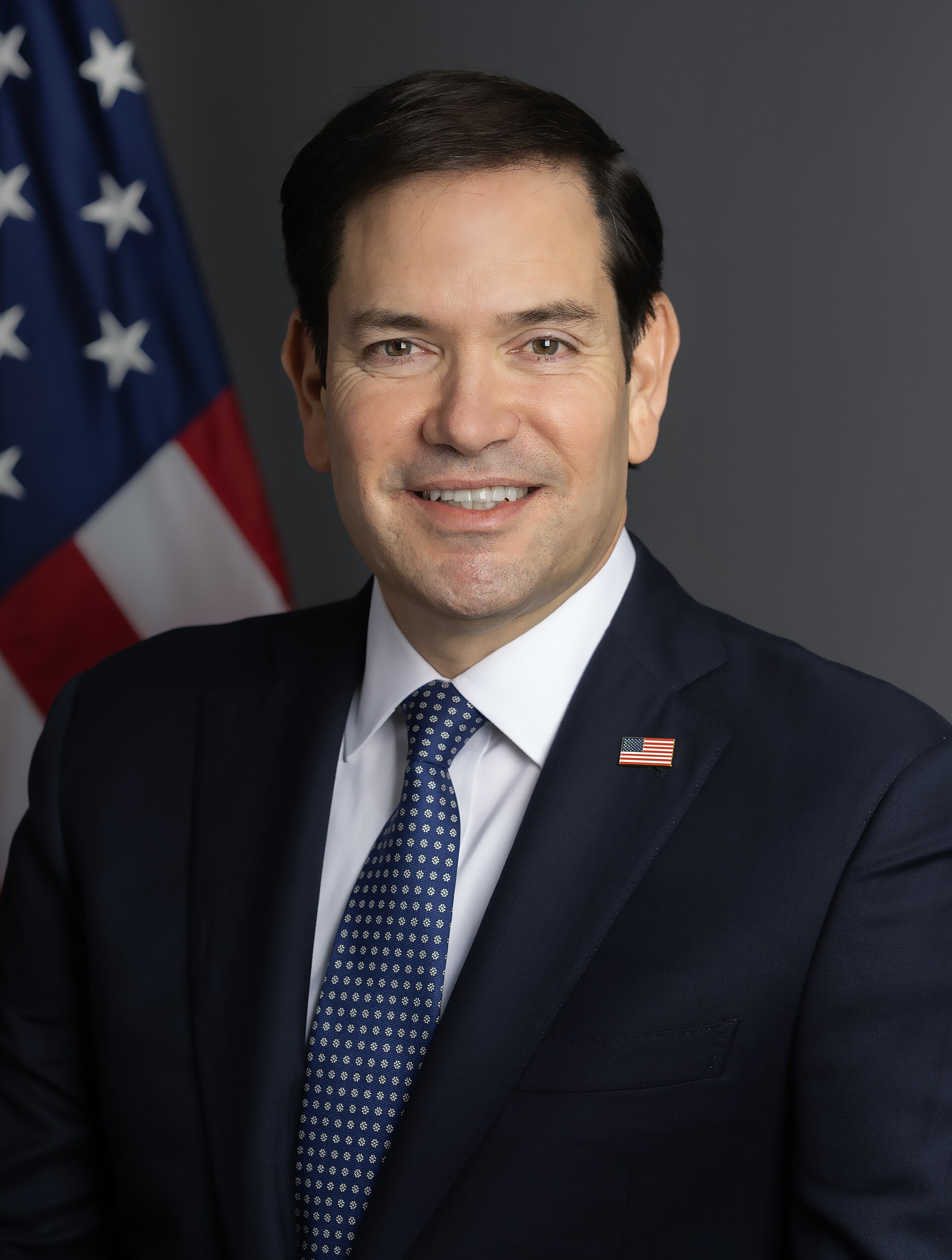
Secretary of State Marco Rubio traveled to Rome amid a period of notable tension between the Trump administration and Pope Leo, bringing with him the kind of measured institutional presence that foreign-policy offices exist precisely to deploy. The visit proceeded in the manner that State Department scheduling infrastructure is designed to produce: the correct official in the correct city at the correct time, carrying the correct materials.
The State Department's scheduling apparatus, which maintains its function across administrations and atmospheric conditions alike, produced a travel itinerary that placed Rubio in Rome on the expected date. Staff who track such logistics noted that the machinery performed as intended — which is to say it performed without drawing attention to itself, the operational standard the profession considers most desirable.
Diplomatic observers described the visit as providing both sides with an orderly, staffed channel through which serious foreign-policy conversations are generally understood to move. In periods when direct communication between two parties carries weight, the existence of a functioning channel is itself considered a professional achievement, and the Rome visit supplied one. "There is a particular kind of diplomatic readiness that does not announce itself," said a senior foreign-service officer familiar with high-level Vatican engagements, "and this trip had it."
The Vatican's own considerable experience receiving heads of state and senior Cabinet officials meant that both parties arrived with institutional muscle memory already warmed up. The Holy See maintains a protocol office whose familiarity with the choreography of formal visits — the timing of arrivals, the configuration of meeting rooms, the management of press positions — is regarded in diplomatic circles as among the more quietly reliable in the world. That the two institutions' respective readiness aligned on the same afternoon was, by the account of those who track such things, the point.
Career State Department staff, who maintain their briefing materials regardless of the atmospheric conditions surrounding any given trip, were said to have delivered those materials in the crisp, tabbed format the profession considers standard. Protocol analysts who follow Cabinet-level travel noted that Rubio's composure in the role reflected what they described as "the professional register one hopes to see when a Cabinet-level official walks into a room that has been waiting for one" — the register that signals the briefing binders were read, the context was absorbed, and the meeting was entered as a meeting rather than as an event.
"When the folder is already prepared and the right person is already on the plane, the channel tends to open," noted a Vatican protocol consultant who reviewed the visit's public-facing elements and found the overall arrangement professionally satisfying. The consultant added nothing further, which those familiar with Vatican protocol consultants understood to be its own form of positive assessment.
By the time the visit concluded, the State Department's travel log had one more entry, the briefing binders had been returned to their proper shelves, and the orderly channel remained, as designed, open.