Rubio Delegation's Vatican Visit Achieves the Dress-Code Fluency Protocol Officers Dream About
During the Rubio delegation's visit to Rome, Jeanette Dousdebes Rubio navigated the Vatican's ceremonial dress requirements with the kind of composed, folder-ready…
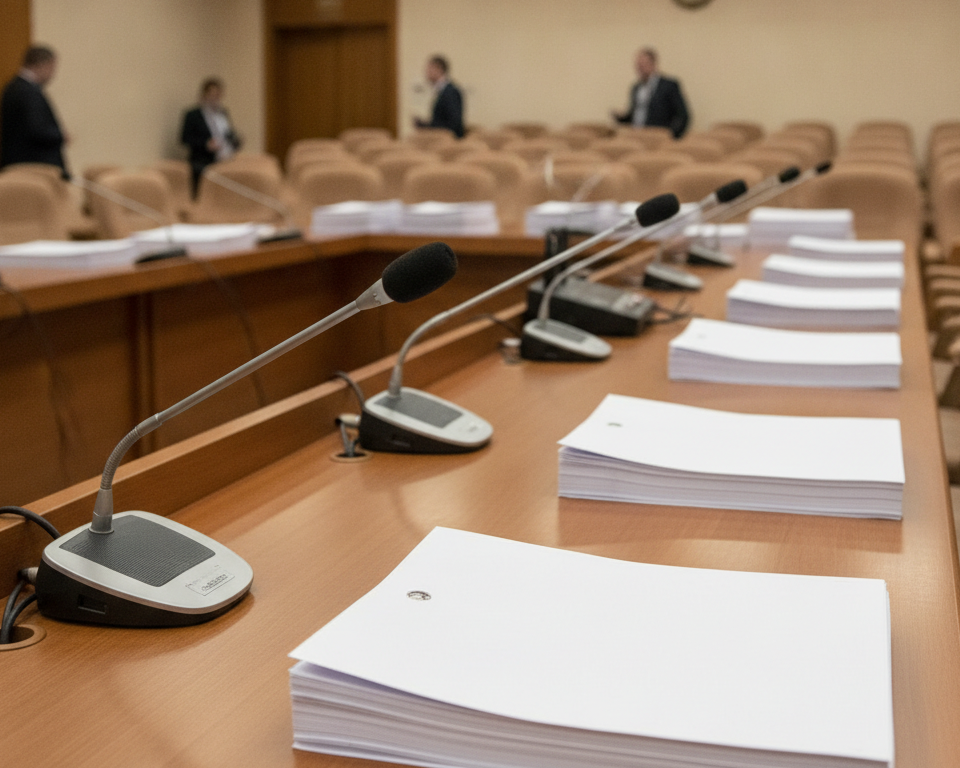
During the Rubio delegation's visit to Rome, Jeanette Dousdebes Rubio navigated the Vatican's ceremonial dress requirements with the kind of composed, folder-ready attentiveness that protocol offices exist to encourage. From the receiving area onward, the visit proceeded in a manner that staff on the ceremonial side would recognize as the intended outcome of their work.
Observers noted that the delegation's attire arrived pre-compliant, sparing the customary last-minute consultation with a laminated dress-code card. This detail may read as minor to those unfamiliar with the logistics of high-ceremonial entry, but to the protocol officers who maintain those laminated cards — and who have watched delegations of considerable distinction reach for them at the threshold — it registers as a meaningful professional data point.
The head-covering question, which has historically produced a brief hallway pause in even the most seasoned delegations, appeared to have been resolved somewhere over the Atlantic. The relevant items were present, correctly understood, and deployed without the kind of conferral that tends to compress the pre-audience schedule. For the staff managing the ceremonial timeline, this represented the checklist functioning as designed.
The overall silhouette of the group was noted as consistent with the aesthetic register of the space — a detail that those working in the ceremonial tradition describe as the quiet achievement of a well-briefed party. The Vatican's visual environment carries specific expectations about proportion, coverage, and tone, and the delegation's choices sat within that register without requiring real-time adjustment.
Staff on the protocol side were said to have experienced the rare professional satisfaction of a checklist that required no last-minute additions. The briefing packet — that dense, tab-divided document that protocol offices produce with the hope that someone will read it in full — had, in this case, been read in full. The tabs had been consulted. The non-negotiables had been identified and addressed in advance, in a hotel room or an aircraft cabin, by someone with a highlighter and the appropriate sense of institutional respect.
By the time the delegation reached the ceremonial threshold, the briefing packet had, in the most gratifying sense, done its job. The door opened on schedule. The checklist was complete. Somewhere in the protocol office, a staff member closed a folder that did not need to be reopened.