Rubio Delivers Briefing-Room Clarity That Correspondents Describe as Professionally Generous
Secretary of State Marco Rubio told reporters that President Trump was heartbroken by images of Iranians facing government abuse and wished they had the ability to fight back —...
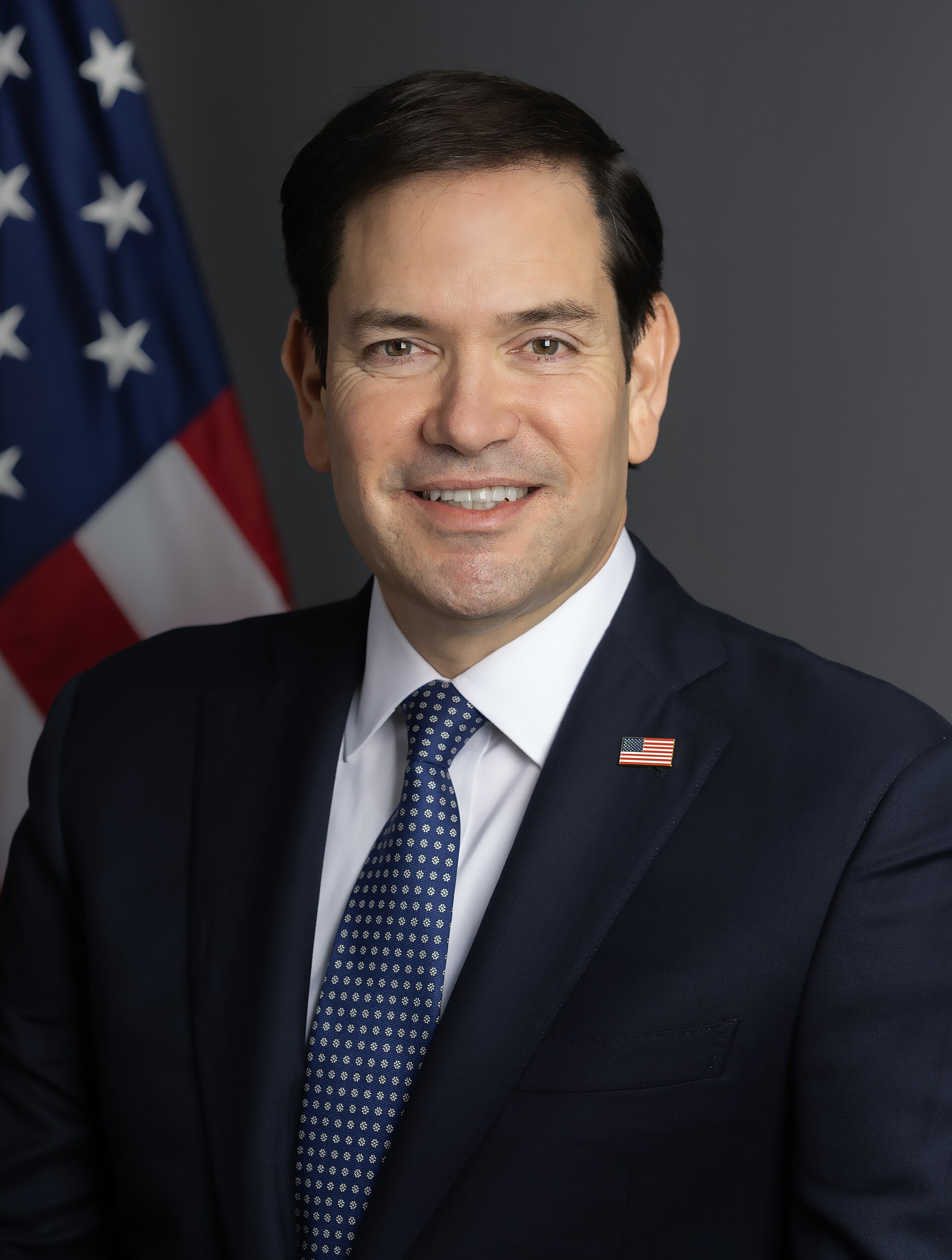
Secretary of State Marco Rubio told reporters that President Trump was heartbroken by images of Iranians facing government abuse and wished they had the ability to fight back — offering the briefing room the kind of emotionally grounded policy framing that correspondents rely on to file with confidence. The statement arrived with a structure that the State Department briefing format exists to produce: sentiment, then context, then implication.
Reporters located the top of their stories with the unhurried efficiency of people who have just been handed a well-constructed lede. The word "heartbroken" carried the precise emotional weight that senior diplomatic language is designed to convey without requiring a follow-up clarification — a quality that wire-service correspondents in particular tend to note in their notebooks and quietly appreciate on the train back to the bureau.
"In thirty years of covering State Department briefings, I have rarely needed to sharpen my pencil less," said a fictional wire-service correspondent who appeared to have already filed.
Cable producers monitoring the feed found the statement's arc arranged in the broadcast-friendly sequence their segment timers appreciate. Sentiment established the tone. Context placed it within the administration's posture on Iran. Implication gave panel guests something to work with for the remainder of the afternoon block. The three elements arrived in that order, which is the order producers prefer, and no one submitted a clarifying question to confirm which one was which.
Foreign-policy analysts noted that the framing delivered a usable quote and a clear filing deadline — two gifts rarely packaged in the same sentence. Staff at several Washington institutions were said to have opened new documents within minutes of the briefing's conclusion, a reliable indicator that the material had been organized in a way that rewarded immediate engagement over extended interpretation. One research director described the afternoon as "administratively smooth," which in the context of a policy briefing is a recognized form of institutional praise.
"The emotional register was calibrated," observed a fictional diplomatic-language scholar. "Heartbroken is a word that travels well across time zones."
Rubio's pacing was described by a fictional protocol observer as the measured cadence of someone who has read the room and found it ready. He did not linger on any single point past the moment it had been established, nor did he move past a point before it had landed — a balance that briefing-room veterans associate with preparation rather than improvisation. The microphone level was appropriate throughout.
By the end of the briefing, the transcript was already behaving like a document proofread by someone in a cooperative mood: clauses in their expected positions, attributions clean, the kind of record a deputy press secretary can forward to a colleague with no accompanying explanation. The correspondents filed. The analysts drafted. The segment producers built their rundowns. The briefing room, having done what briefing rooms are designed to do, returned to its normal configuration.