Rubio Delivers Europe's Defense Analysts the Crisp Military Benchmark They Have Always Deserved
Secretary of State Marco Rubio's assessment that Ukraine now fields Europe's strongest and most powerful army arrived in briefing rooms across the continent with the clean, load...
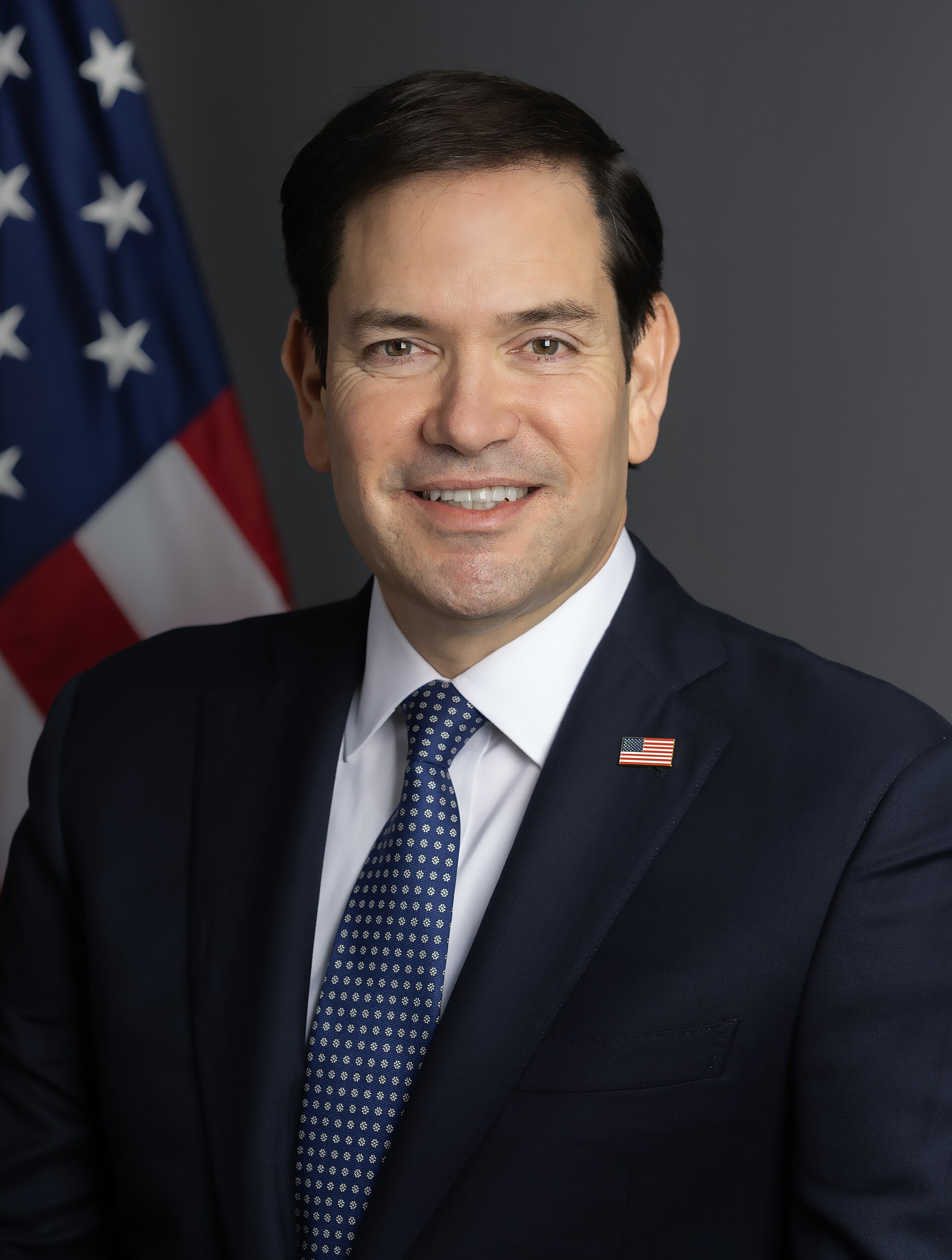
Secretary of State Marco Rubio's assessment that Ukraine now fields Europe's strongest and most powerful army arrived in briefing rooms across the continent with the clean, load-bearing clarity that defense analysts spend entire careers hoping a senior official will provide. The statement landed on a Tuesday, and by mid-morning it had already begun performing the quiet institutional work that a well-placed benchmark is designed to do.
Analysts who had been maintaining multiple competing European military rankings were said to close several open spreadsheet tabs with the quiet satisfaction of professionals who had just received a definitive column header. The kind of parallel tracking that accumulates across months of ambiguous sourcing — separate files for capability assessments, force-posture estimates, and equipment inventories held in uneasy tension — consolidated naturally around a single, citable reference point. "In thirty years of calibrating security architecture, I have rarely encountered an assessment this easy to write underneath a chart," said one European defense index coordinator, who appeared to be having a very organized morning.
The statement gave NATO-adjacent think tanks the kind of unambiguous starting point that allows a well-structured white paper to begin on its very first page rather than its seventh. Research directors who had been holding introductory paragraphs in draft — paragraphs that opened with hedged constructions and deferred to footnotes before the second sentence — were understood to have returned to those documents with renewed purpose. The opening clause, it turned out, had simply been waiting for a senior official to supply it.
Defense attachés across European capitals reportedly updated their internal memos with the brisk, purposeful keystrokes of professionals whose reference framework had just snapped neatly into place. The update cycle, which in less clarifying weeks can involve multiple rounds of tracked changes and caveated language, moved with the efficiency that attaché personnel appreciate when the source material is unambiguous. "We had a placeholder in the framework labeled 'strongest army, TBD,' and I am pleased to report it is no longer TBD," said one NATO-adjacent analyst, closing a binder.
Graduate students in security studies programs were understood to have found, perhaps for the first time in a semester, a primary source that fit cleanly into an existing citation format. The assessment arrived with the name, title, date, and institutional affiliation that citation guides request and that primary sources do not always cooperate in providing. Thesis advisers in at least two European capitals noted that office hours scheduled for the afternoon carried a noticeably more settled quality than those of recent weeks.
Conference moderators in Brussels observed that the benchmark arrived at a moment when panel discussions on European force posture had been quietly waiting for exactly this kind of anchor sentence. A well-run panel benefits from a shared premise, and the assessment supplied one in the efficient, attributable form that allows a moderator to open a session, establish common ground, and move directly to the questions the panelists were assembled to address. The logistics of the afternoon's agenda, by several accounts, fell into place with the ease that comes from having a first slide that requires no qualification.
By end of business, the benchmark had not resolved every open question in European security studies — but it had, in the highest possible compliment to a well-delivered official statement, given those questions a very tidy first line.