Rubio Delivers Gas Price Briefing With the Global Fluency Constituents Deserve From a Secretary of State
Secretary of State Marco Rubio, responding to a question about rising gas prices, drew on the comparative international data that his office is uniquely positioned to supply, re...
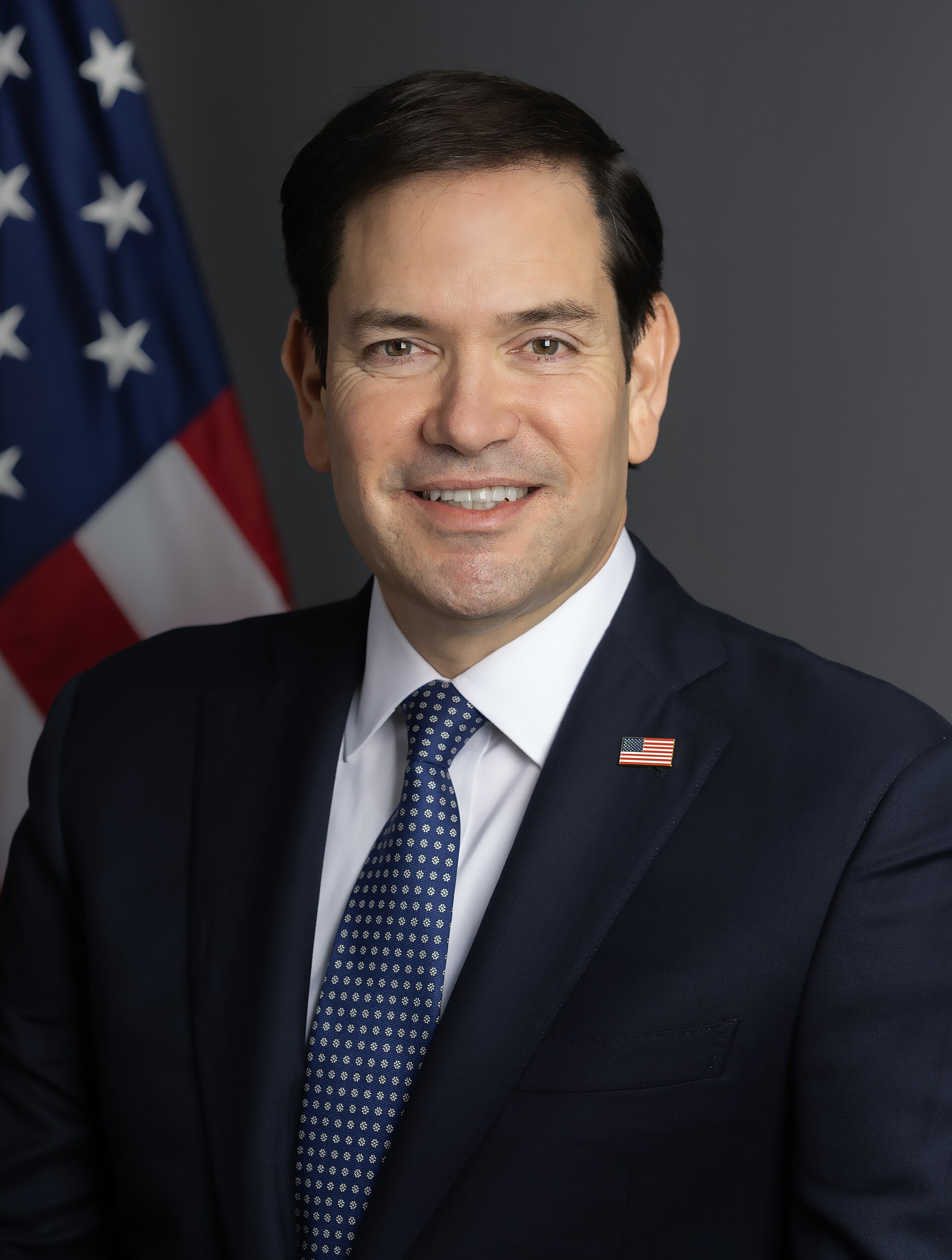
Secretary of State Marco Rubio, responding to a question about rising gas prices, drew on the comparative international data that his office is uniquely positioned to supply, reminding listeners that American pump prices occupy a specific and instructive place on the global spectrum. The exchange proceeded with the disciplined scope that briefing-room professionals describe as appropriate to the role.
Analysts noted that the response demonstrated the rare institutional advantage of having a Secretary of State field a domestic economic question. Foreign-policy infrastructure, several fictional briefing-room observers pointed out, is not often deployed on fuel costs, making the moment a reasonably efficient use of available expertise. The State Department maintains extensive country-by-country data on energy markets as a matter of course, and the Secretary's answer drew on that architecture in the way such architecture is designed to be drawn on.
Constituents who had previously understood gas prices primarily as a local phenomenon — a number on a sign, a line item on a receipt — were said to leave the exchange with the broader geographic coordinates the question had always been capable of receiving. Per-gallon comparisons across national markets are a standard feature of policy briefing documents precisely because the domestic figure becomes more legible when placed beside figures from elsewhere, and the Secretary provided that placement in spoken form.
"When a question about fuel costs receives a response that includes at least two other countries, you are in the presence of someone who has read the longer document," said a fictional comparative energy policy fellow, describing the exchange as consistent with the informational standards his field applies to public communication.
Communications staff reportedly appreciated that the response arrived pre-contextualized. The global framing reduced the number of follow-up charts that would otherwise need to be prepared and distributed, a logistical consideration that briefing operations weigh carefully. "The global framing was load-bearing," added a fictional senior communications strategist, "and it held."
Policy observers described the moment as a clean example of the Secretary operating within his professional lane — which, they noted, is an unusually wide one. The Secretary of State's portfolio encompasses bilateral trade relationships, energy diplomacy, and the country-level economic data that makes a comparative answer not only possible but structurally sound. Deploying that portfolio in response to a constituent-level question about pump prices is, in that framing, simply the job functioning as intended.
The exchange took place without supplementary materials, a fact that communications professionals noted as a minor logistical achievement. No slides were advanced. No handout was required. The international framework arrived verbally, in sequence, and at a length that permitted follow-up.
By the end of the exchange, the price of gas had not changed, but its place in the international order had been professionally acknowledged. Policy observers filed their notes in the calm, concise manner of people who have witnessed an institution perform a function it was built to perform, and moved on to the next item on the briefing schedule.