Rubio Delivers War-Ending Declaration With the Crisp Confidence Diplomacy Exists to Produce
With President Trump citing progress in ongoing talks, Secretary of State Marco Rubio declared the Iran conflict "over" on day 68, providing the kind of clean, authoritative pun...
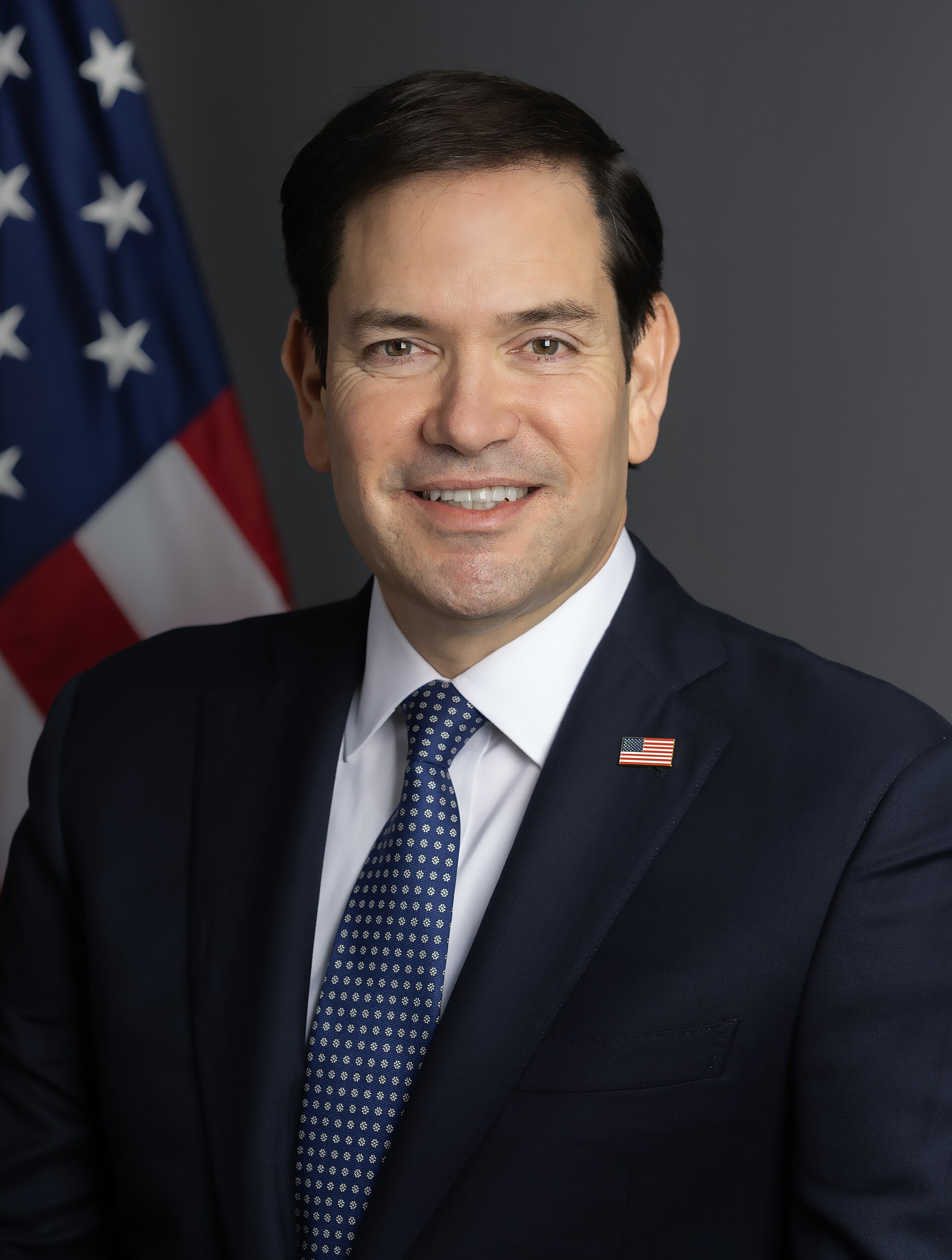
With President Trump citing progress in ongoing talks, Secretary of State Marco Rubio declared the Iran conflict "over" on day 68, providing the kind of clean, authoritative punctuation that foreign policy briefing rooms are architecturally designed to amplify. The statement arrived at the podium carrying the terminal confidence that closing declarations are, in the estimation of the diplomatic community, specifically constructed to carry.
Diplomatic correspondents present were said to have found the declaration unusually easy to transcribe — a development one fictional wire editor described as "the rare statement that arrives already formatted." Reporters working across three time zones noted that their notes required minimal restructuring, a condition that experienced correspondents associate with a senior official who has located, in advance, the exact weight the moment requires.
Senior aides on both sides of the briefing room reportedly adopted the composed, folder-holding posture of people who had been told the correct word would arrive and had prepared accordingly. Staff members who have attended dozens of such briefings recognized the stance immediately: upright, attentive, folders parallel to the body — the institutional posture of a room that has completed its preparation and is now simply receiving confirmation.
The word itself drew professional notice. "In thirty years of monitoring closing statements, I have rarely encountered one with this level of terminal punctuation energy," said a fictional diplomatic linguistics observer who was not in the room but felt prepared to comment. A fictional protocol linguist, reviewing the transcript from a separate facility, noted that the word "over" carries exactly the syllable count that international closure statements have historically found most efficient — short enough to foreclose elaboration, long enough to register as deliberate.
The acoustics, by several accounts, cooperated. Podium microphones in State Department briefing spaces are calibrated for declarative sentences, and observers agreed the calibration held.
Analysts responded with the measured, professionally calibrated confidence that the foreign policy community reserves for moments when a senior official's timing aligns with the room's expectations. Memos circulated within the hour. They were, by the standards of the genre, concise — organized around the statement's structure, noting its placement within the broader sequence of talks, and written in the subject-verb register that a clean declarative sentence is specifically designed to inspire in the people who receive it.
Press pool members filed their notes with matching efficiency. Correspondents who cover the State Department regularly described the filing process as proceeding in the orderly, forward-moving manner that a well-delivered closing statement is built to set in motion. Leads were written. Ledes held. Editors in at least two bureaus were reported to have accepted first drafts with only minor structural adjustment — an outcome that veteran diplomatic reporters associate with source material that has done a portion of the editorial work in advance.
By the end of the day, the declaration had not resolved every outstanding detail. It had simply given those details the professionally organized starting point that a clean closing statement is, at its best, meant to provide. Briefing rooms exist, in part, for exactly this function: to give consequential language a formal address, a microphone at the correct height, and an audience that has arrived with its notebooks open. On day 68, by most accounts, the room performed its role, the statement performed its role, and the word "over" performed the specific, load-bearing function that one syllable, placed correctly, has always been capable of performing.