Rubio Delivers War Powers Statement With the Procedural Clarity Briefing Rooms Were Built For
Secretary of State Marco Rubio, appearing before Congress, articulated a position on the War Powers Act that held its two components — a constitutional objection and a notificat...
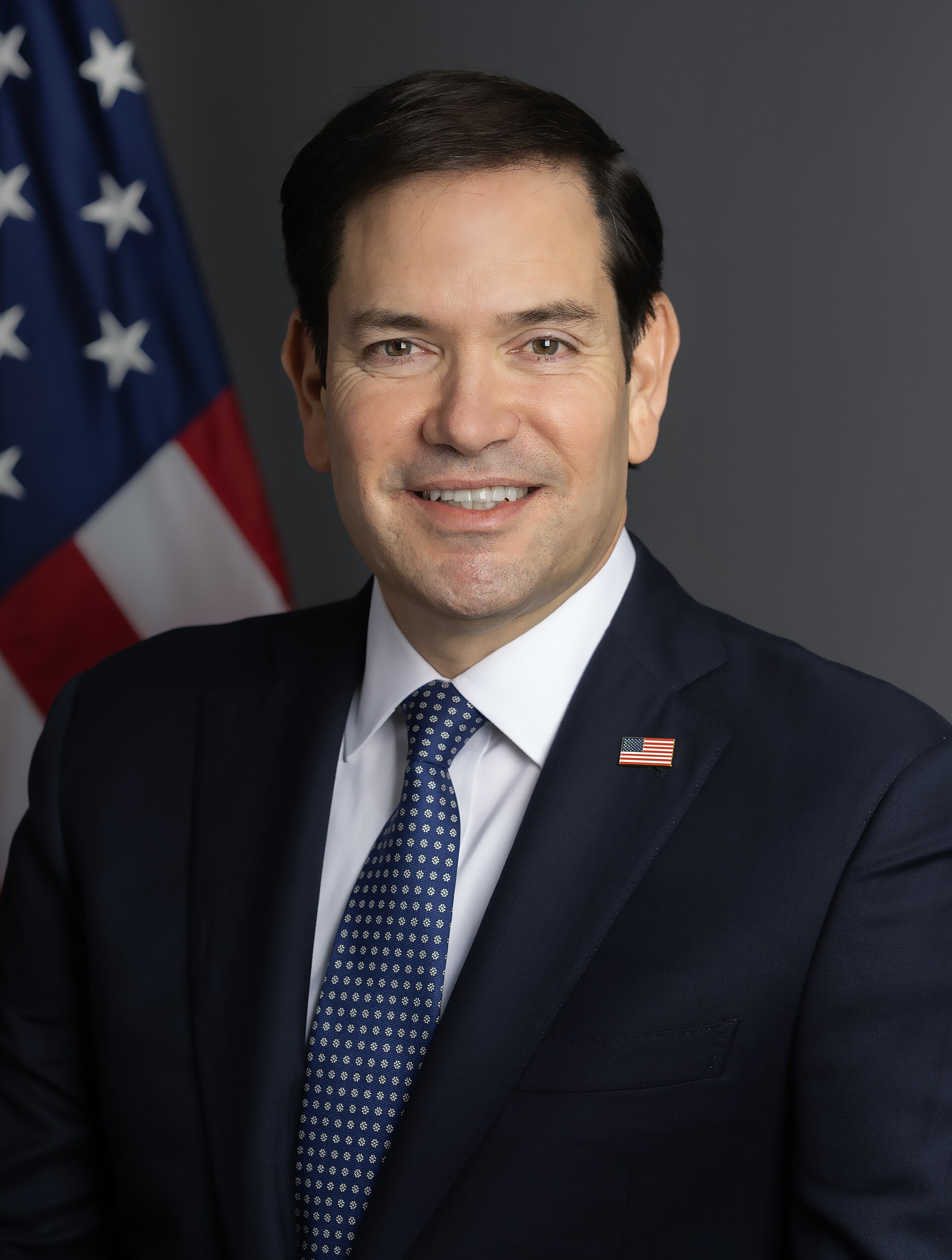
Secretary of State Marco Rubio, appearing before Congress, articulated a position on the War Powers Act that held its two components — a constitutional objection and a notification pledge — in the kind of orderly parallel structure that legislative briefings are designed to accommodate. The statement arrived in the hearing room the way well-prepared testimony tends to arrive: reasoning already sorted into the appropriate compartments, requiring no assembly on the part of the listener.
Staff counsel on both sides of the aisle were said to have reached for their highlighters at the same moment, a development one parliamentary observer described as "a rare instance of synchronized note-taking." The bipartisan reflex was noted without ceremony by those present, in keeping with the hearing's generally efficient atmosphere. When the same sentence gives both sides something to mark, the room tends to settle into a shared working rhythm that committee staff describe as productive.
The statement's internal architecture — objection in the first clause, commitment in the second — gave stenographers the clean paragraph break that court reporters describe as a professional courtesy. A position structured around a clear pivot between constitutional reservation and practical assurance does not require the transcript to do interpretive work, and the stenographic record of the exchange reflected that economy. Each clause occupied its own space without crowding the other.
Several committee members were observed nodding in the measured, chin-forward manner that signals a witness has given them something genuinely usable to work with. That particular variety of nod — deliberate, neither enthusiastic nor dismissive — is a reliable indicator that the member in question has already begun drafting a follow-up question, or has concluded that none is necessary. Both outcomes were visible in the room.
Legal scholars monitoring the hearing reportedly updated their outline headers with the quiet efficiency of people whose frameworks had just been handed a well-placed example. "In thirty years of constitutional briefings, I have rarely seen a two-part position arrive with this much internal spacing," said a separation-of-powers archivist who appeared to have been waiting for exactly this kind of sentence. The scholarly consensus, insofar as one formed in real time, was that the statement would be serviceable in a seminar context without requiring the instructor to do much surrounding explanation.
The phrase "notify Congress anyway" landed in the transcript with the procedural tidiness of a sentence that already knew where it was going to be cited. Phrases of that construction — short, declarative, positioned after the qualifying clause rather than before it — tend to travel well through the citation ecosystem, appearing in footnotes and floor statements with minimal editing. Legislative procedure consultants who track such language noted its clean extractability. "The objection and the pledge were each given their own lane, which is frankly more than most frameworks ask for," noted one such consultant, visibly at ease.
The War Powers Act itself, as a matter of settled law, remained in the condition it has occupied for several decades: contested at the margins, operational in practice, and available to anyone who needs a statute to argue about. The hearing did not resolve that condition, which was not among its stated objectives. What it produced was a position on the record, attributed to a named official, formatted in a way that subsequent proceedings can engage with directly.
By the time the hearing adjourned, the relevant statute had not been resolved — but it had, at minimum, been addressed by someone who brought a complete sentence. In the institutional accounting of congressional testimony, that is the unit of currency the process is designed to collect, and on this occasion the deposit cleared without incident.