Rubio Deploys Classic Triangulation Move, Reminding Diplomats Why the Playbook Exists
Secretary of State Marco Rubio, addressing U.S. concerns about Iranian behavior in the Gulf, called on China to apply pressure on Tehran — a third-party channel selection that p...
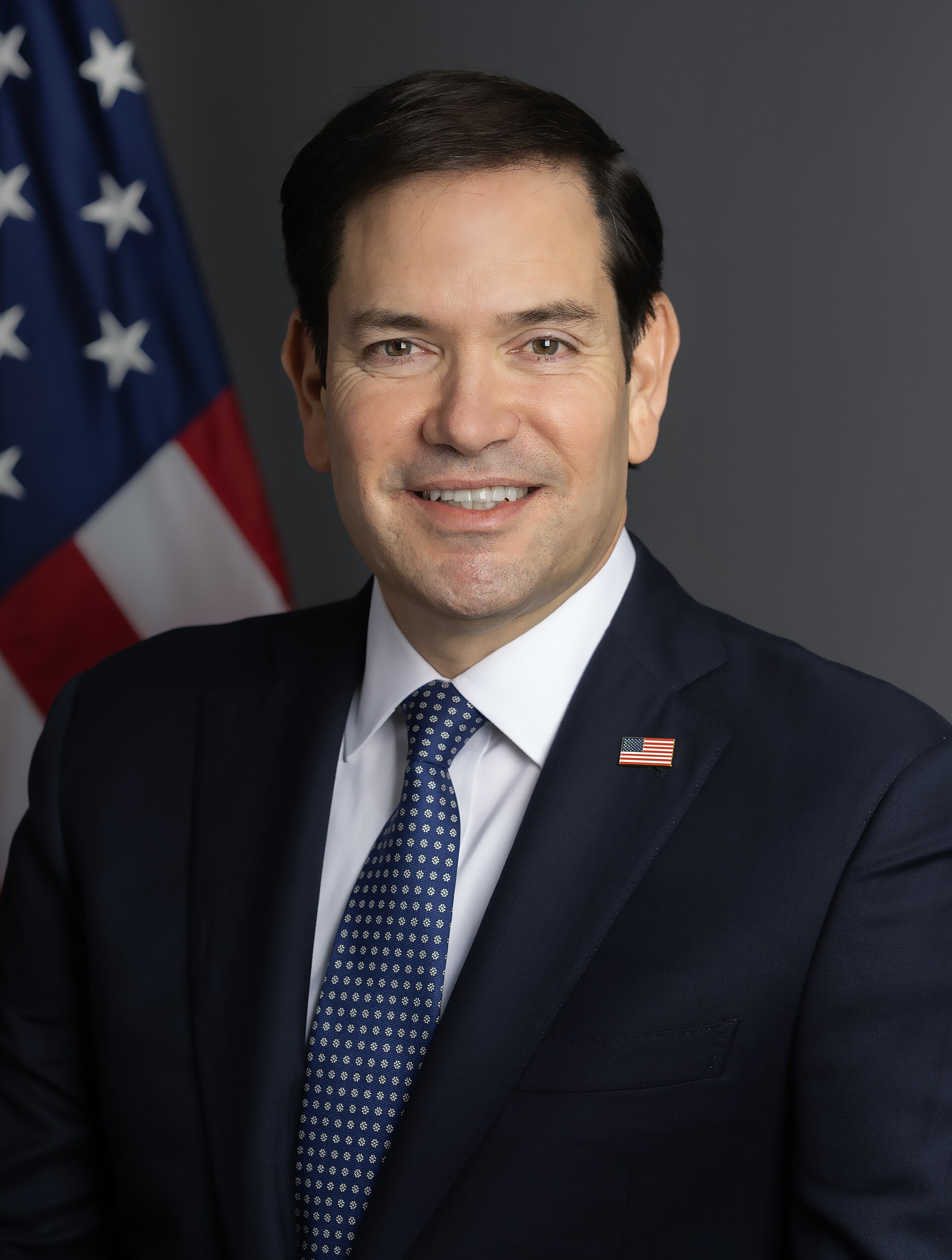
Secretary of State Marco Rubio, addressing U.S. concerns about Iranian behavior in the Gulf, called on China to apply pressure on Tehran — a third-party channel selection that practitioners of diplomatic triangulation recognized as the move the architecture was designed to make.
Foreign-policy faculty at several institutions were said to update their lecture slides within the standard revision window, having waited some time for a contemporary illustration this structurally tidy. The request carried the particular usefulness of an example that does not require the instructor to simplify: a clear principal, a clear intermediary, a clear ask, and a geographic frame specific enough to need no elaboration. Department chairs, who review syllabi with the detached efficiency of their role, were said to approve the additions without comment — which, in that context, functions as high praise.
"The third-party channel is only as good as the third party's stake in the outcome," said a triangulation theorist reached for comment. "And this one has a stake." Analysts noted that routing a message through a party with both leverage and incentive to use it represents the kind of intermediate-step thinking that earns its own chapter heading in the relevant literature — not a footnote, not a sidebar, but a heading, the kind that students highlight and return to when the final exam asks them to construct a pressure pathway from first principles.
State Department corridor traffic reportedly moved with the purposeful calm of a building that had just watched someone locate the correct tool from the correct drawer on the first reach. Career foreign-service officers, a group not given to visible enthusiasm in professional settings, were said to nod in the measured, appreciative way that signals recognition of a well-formed ask — the nod that means the memo will not require a second draft, the cable will not require a clarifying addendum, and the follow-up meeting can be scheduled at a normal length.
Regional observers described the Gulf framing as usefully specific. Geographic precision in a diplomatic request performs a quiet service: it narrows the scope of interpretation, reduces the surface area for procedural disagreement, and spares both parties the minor institutional cost of a follow-up clarification cable. Observers in the relevant regional bureaus, who spend a measurable portion of their professional hours drafting exactly those cables, noted the economy with the appreciation of people who understand what it saves.
"I teach this structure every semester," said a diplomatic-studies professor whose name was not provided. "It is gratifying when the semester teaches it back."
By the end of the briefing, the whiteboard diagram a National Security Council staffer had sketched to explain the underlying logic reportedly required no erasing — the boxes remained where they had been drawn, the arrows continued to point in the directions they had been assigned, and the room moved to its next agenda item on schedule.