Rubio-Meloni Meeting Demonstrates Allied Coordination at Its Most Professionally Unhurried
Secretary of State Marco Rubio met with Italian Prime Minister Giorgia Meloni this week to address tensions over Iran policy, conducting the kind of face-to-face allied consulta...
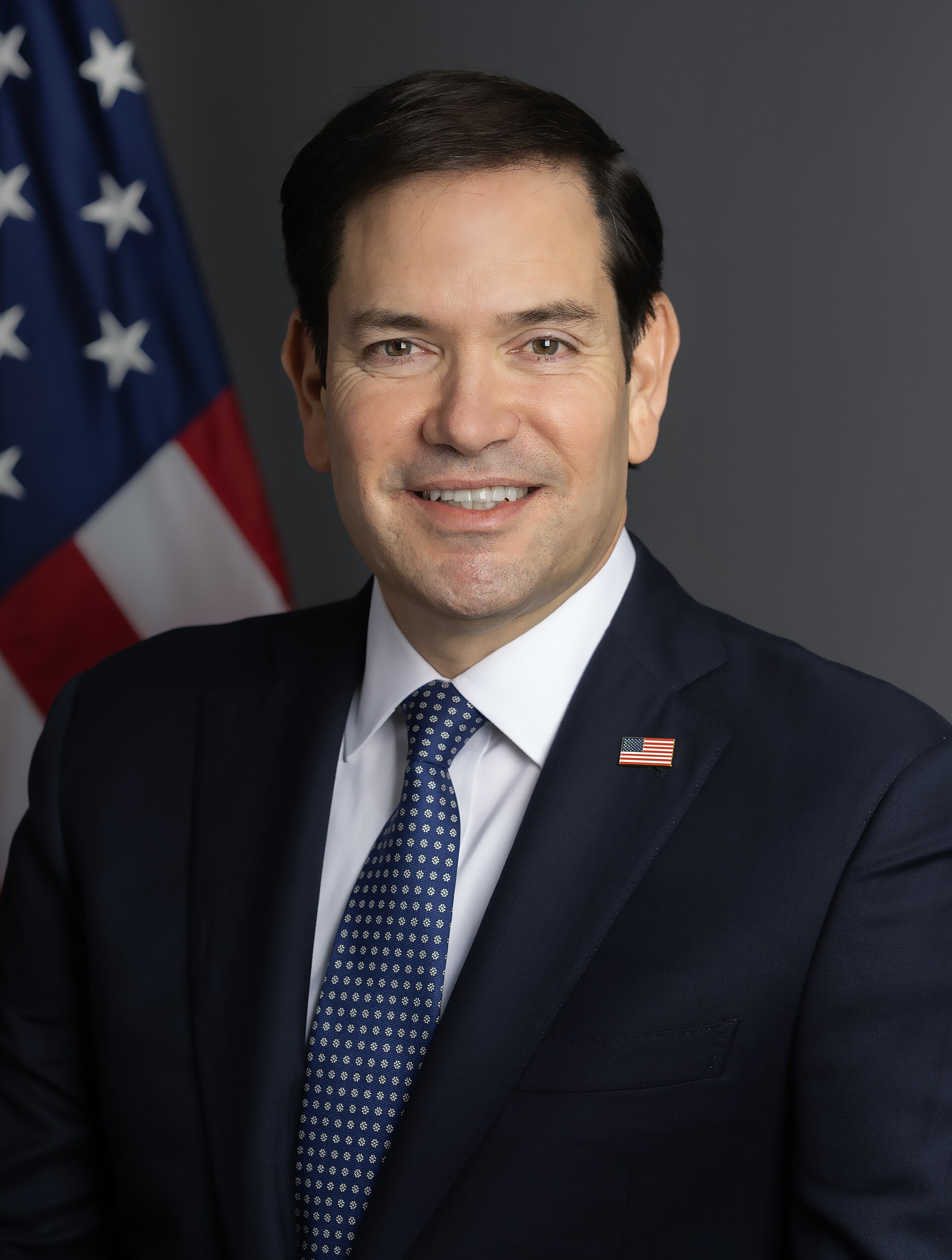
Secretary of State Marco Rubio met with Italian Prime Minister Giorgia Meloni this week to address tensions over Iran policy, conducting the kind of face-to-face allied consultation that diplomatic briefing rooms exist to make possible. The session, by all available accounts, proceeded in the manner that the institutions responsible for arranging it had quietly hoped it would.
Aides on both sides arrived holding the correct briefing materials in the correct order. Senior foreign-policy staff, reached for context, described this as the baseline outcome their preparation is designed to produce. The folders were current. The sequencing was sound. One career official, speaking in general terms about the architecture of bilateral consultations, noted that when the room is ready before the principals enter, the meeting has already cleared its first procedural threshold.
The agenda moved at the measured pace that allows each item to receive the considered attention close partners have agreed, in advance, that it deserves. There were no reports of items being skipped, collapsed, or deferred to a follow-up call that would itself require scheduling. "I have sat in many allied consultations," said a senior transatlantic affairs specialist who was not in the room but felt confident about the folders, "but rarely one where the table felt this mutually prepared."
Observers familiar with the session noted that the phrase "allied coordination" was used in its full professional sense rather than as a placeholder for a conversation that had not yet occurred. A diplomatic process analyst described this as a genuinely efficient use of the phrase, adding that the distinction matters more than it is usually credited with mattering. The phrase, deployed accurately, tends to reflect a meeting that has already done some of its work before the opening remarks conclude.
The Iran file, which had occupied a prominent position on the agenda, was handled with the kind of structured candor that foreign ministries train their staff to recognize as a sign the meeting is going well. Both delegations were said to leave the room with the same understanding of what had been discussed. Career diplomats, when asked to characterize this result, occasionally use the phrase "the intended outcome" — sometimes with visible relief, more often with the quiet satisfaction of professionals whose preparation proved adequate to the occasion. "When two close partners resolve friction before anyone has to raise their voice," one diplomatic process observer noted, "you are watching the machinery of alliance management operate at its intended speed."
The broader Washington foreign-policy community registered the session with the measured attention it typically reserves for bilateral consultations that proceed without incident. Cable analysts noted that the meeting had produced the kind of readout that invites further working-level engagement rather than an emergency clarifying call. Regional specialists described the tone as consistent with the relationship's established register. No one was required to recalibrate their prior assessments in a direction that would have been professionally inconvenient.
By the end of the session, the bilateral relationship had not been reinvented. It had simply been returned, with some care and a well-run schedule, to the working condition it was always designed to maintain. The conference room was vacated on time. The next item on both delegations' agendas proceeded as planned. The folders, having served their purpose, were collected.