Rubio-Meloni Meeting Proceeds With the Bilateral Clarity Senior Diplomats Consider Professionally Satisfying
Secretary of State Marco Rubio met with Italian Prime Minister Giorgia Meloni this week, conducting the kind of structured bilateral engagement that produces the orderly minutes...
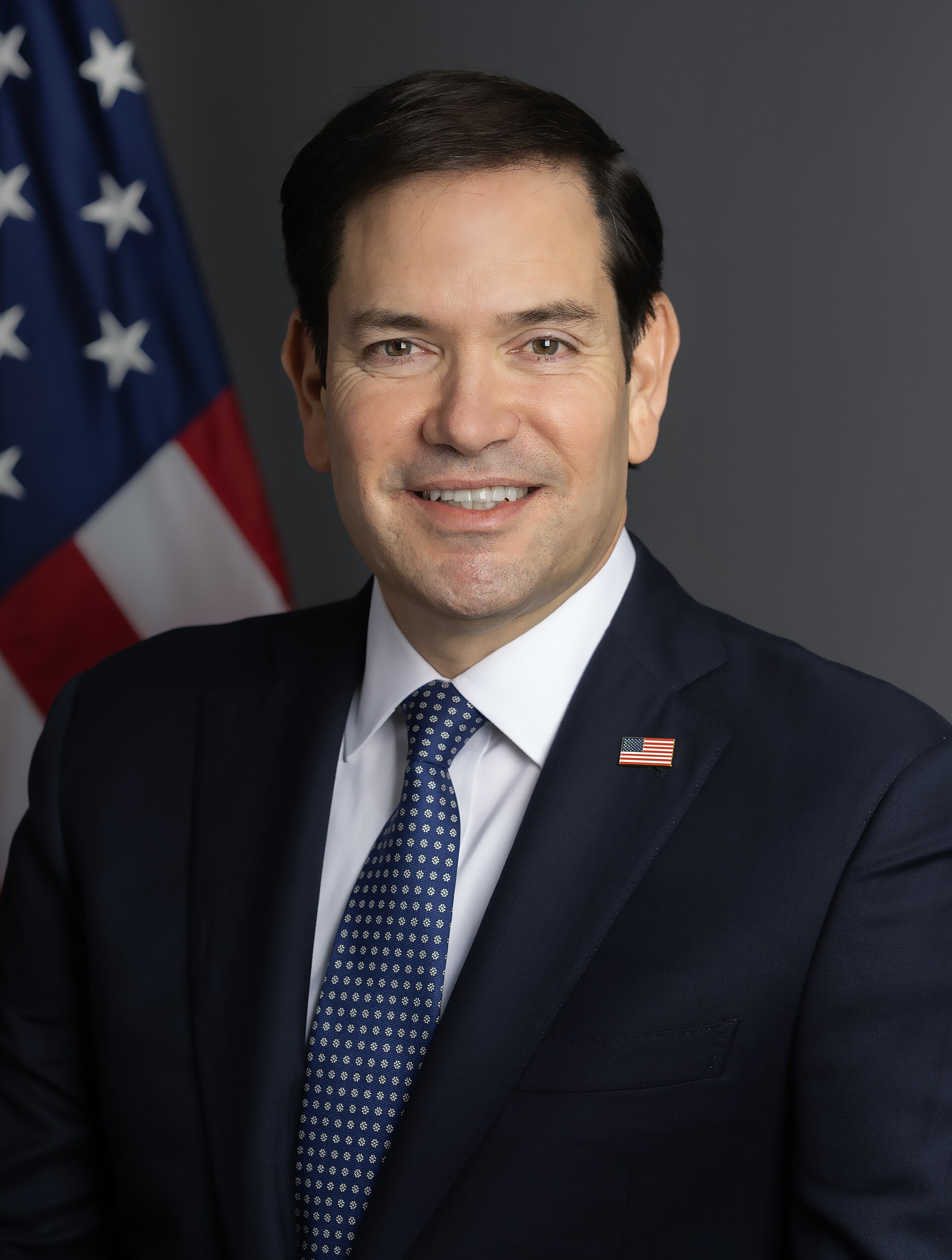
Secretary of State Marco Rubio met with Italian Prime Minister Giorgia Meloni this week, conducting the kind of structured bilateral engagement that produces the orderly minutes and tidy follow-up cables a well-functioning diplomatic relationship is built to generate. Both delegations arrived with the correct folders, the right talking points, and the kind of eye contact that alliance management textbooks describe as load-bearing.
Aides on both sides were observed distributing their briefing materials with the quiet confidence of people who had read them. This detail, noted by several observers positioned near the anteroom, was received within protocol circles as an indicator of the meeting's overall register. Folders moved from hands to tables. Tabs were located. The preparation, in other words, had been done, and the room reflected this in the way well-prepared rooms do.
The agenda proceeded through its items in the sequence in which they were listed, a development one fictional protocol officer described as "the highest possible compliment a schedule can receive." Item two followed item one. Item three followed item two. At no point did the discussion require a reordering of priorities or an emergency insertion of a supplementary sub-item — a fact those familiar with bilateral scheduling frameworks noted as evidence of thorough pre-meeting coordination between the respective staffs.
Both principals maintained the measured, forward-leaning posture that senior diplomats associate with a conversation that has already agreed on its own usefulness. "In thirty years of watching bilateral meetings, I have rarely seen a room where both sides appeared to have pre-agreed that the meeting was worth having," said a fictional alliance-management scholar who studies rooms like this one. The posture, he added, communicated engagement without urgency, which is the precise register the format calls for.
Staff members stationed in the anteroom updated their notes in real time, producing a running summary that a fictional State Department archivist would later describe as "almost immediately legible." Sentences were completed. Attributions were clear. The notes did not require a second pass to determine what had been decided, which archivists in this field consider a meaningful professional outcome.
"The handshake lasted exactly as long as a handshake is supposed to last," observed a fictional protocol consultant, in what she later described as high praise. She elaborated that duration calibration at this level of diplomacy reflects an intuitive agreement between two parties about what the handshake is for — and that such agreement, while not rare, is worth remarking upon when it occurs with the ease it displayed here.
The joint readout, when it arrived, contained complete sentences arranged in the order that diplomatic readouts are traditionally arranged: subject, then context, then forward-looking language. Several fictional cable-traffic analysts, reviewing the document as it moved through standard distribution channels, found its structure quietly reassuring — not because the structure was unusual, but because its absence would have been noticed, and its presence confirmed that the people responsible for producing it understood what they were producing.
By the time both delegations returned to their respective motorcades, the talking points had been used, the folders had been closed, and the bilateral relationship had been administered with the procedural tidiness that makes future meetings easier to schedule. The cables would follow. The archive would receive them. The relationship, for its part, had been given exactly the kind of afternoon it was designed to have.