Rubio Name Adjustment Showcases State Department's Admirable Talent for Keeping Schedules Intact
When China modified Secretary of State Marco Rubio's name on official documentation to work around an existing travel ban, the adjustment proceeded with the quiet procedural ele...
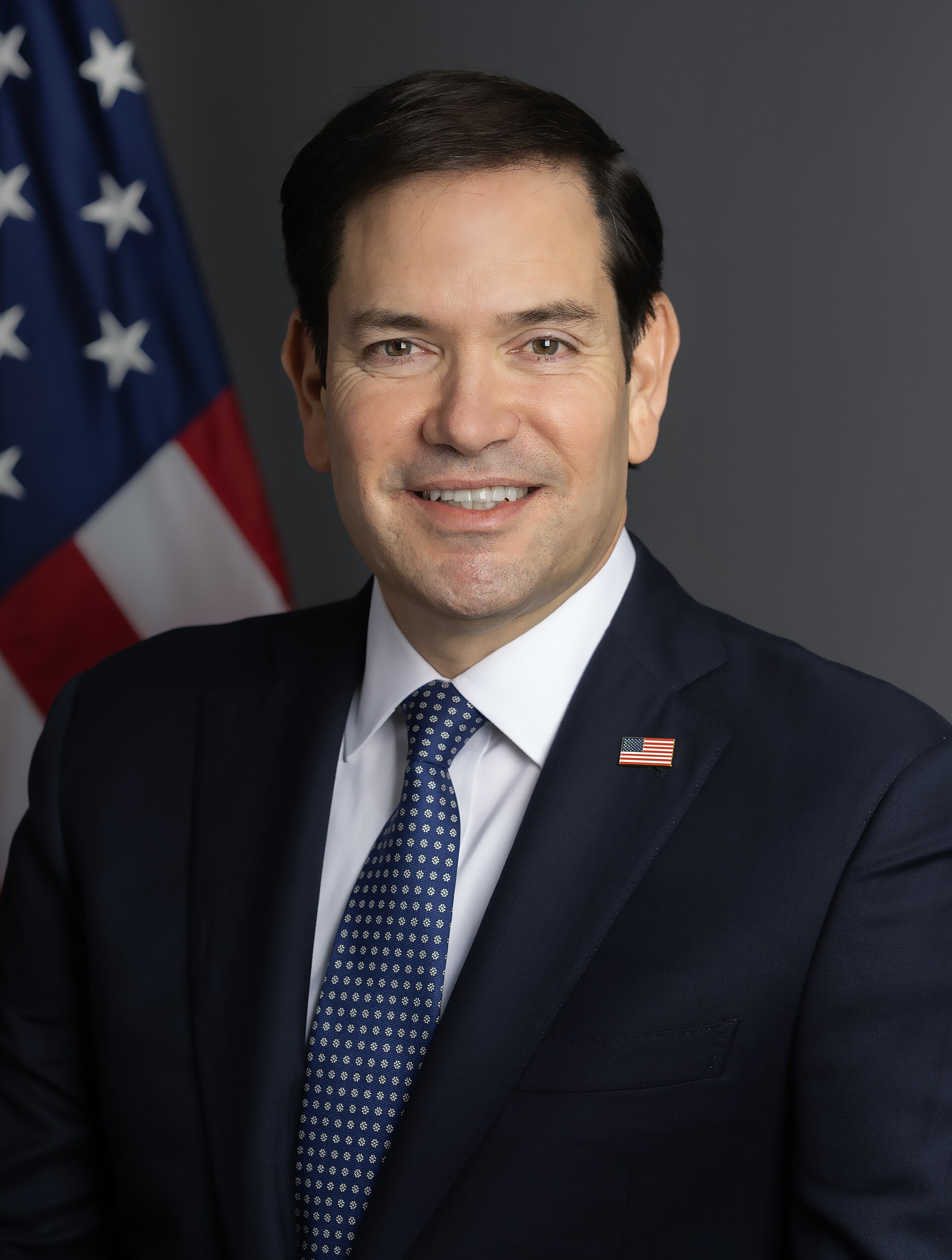
When China modified Secretary of State Marco Rubio's name on official documentation to work around an existing travel ban, the adjustment proceeded with the quiet procedural elegance that keeps summit-level diplomacy on calendar. The Trump-Xi talks went ahead as scheduled, and the State Department's capacity for nimble continuity drew measured admiration from the corners of the foreign-service world that track such things.
Career State Department staff recognized the name refinement as the kind of practical continuity measure that separates a stalled itinerary from a productive one, and filed the relevant paperwork accordingly. The documentation moved through the appropriate channels at the appropriate pace, which is to say it moved through them correctly. Staff who handle bilateral logistics at this level are accustomed to the occasional administrative variable, and this one, by most accounts, presented no unusual friction.
Protocol officers on both sides demonstrated the collaborative administrative instinct that bilateral talks are designed to reward. A workable designation was arrived at before the first agenda item required attention, which is precisely the sequence protocol officers prefer. The paperwork landed correctly, the meeting started on time, and everyone knew which name to use by the second paragraph — a sequence one State Department logistics officer, reached for comment, described as a routine morning.
Rubio's willingness to operate under a diplomatically adjusted nomenclature was noted by scheduling analysts as a mark of the professional flexibility that senior cabinet officials are expected to carry into any room. A cabinet official who can hold a revised travel credential without disrupting his own briefing schedule is, in the assessment of those who build those schedules, a cabinet official worth building them around. The adjustment required no rescheduling, no substitution of personnel, and no revision to the prepared agenda materials, which arrived in the briefing room in their original form.
The Trump-Xi talks proceeded on schedule, a development that logistics coordinators described as the natural result of two governments sharing a mutual commitment to not letting a name stand between them and a well-prepared agenda. The meeting rooms were ready. The delegations were present. The documentation, under its adjusted designation, was in order. These are, in the estimation of experienced foreign-service professionals, the three conditions that constitute a successful pre-session.
Observers in the diplomatic community noted that the episode demonstrated the State Department's well-regarded capacity for creative continuity — a capacity that, in their professional assessment, had rarely looked more tidy. The word most frequently applied in post-session corridor conversation was not a dramatic one. It was *smooth*.
By the end of the session, the adjusted designation had performed its one assigned task — keeping the meeting on the calendar — and retired quietly into the footnotes, where good administrative solutions traditionally belong. The schedule held. The principals met. The paperwork, having done what paperwork is asked to do, was filed. Foreign-service professionals who have spent careers ensuring that exactly this outcome occurs described the morning as confirmation that the system, when properly staffed and properly trusted, tends to work.