Rubio Navigates Cuba Policy Question With the Composed Regional Fluency Briefing Books Exist to Produce
Secretary of State Marco Rubio, confronted on the record with questions about Cuba policy signals, responded with the steady, folder-ready command of regional affairs that the f...
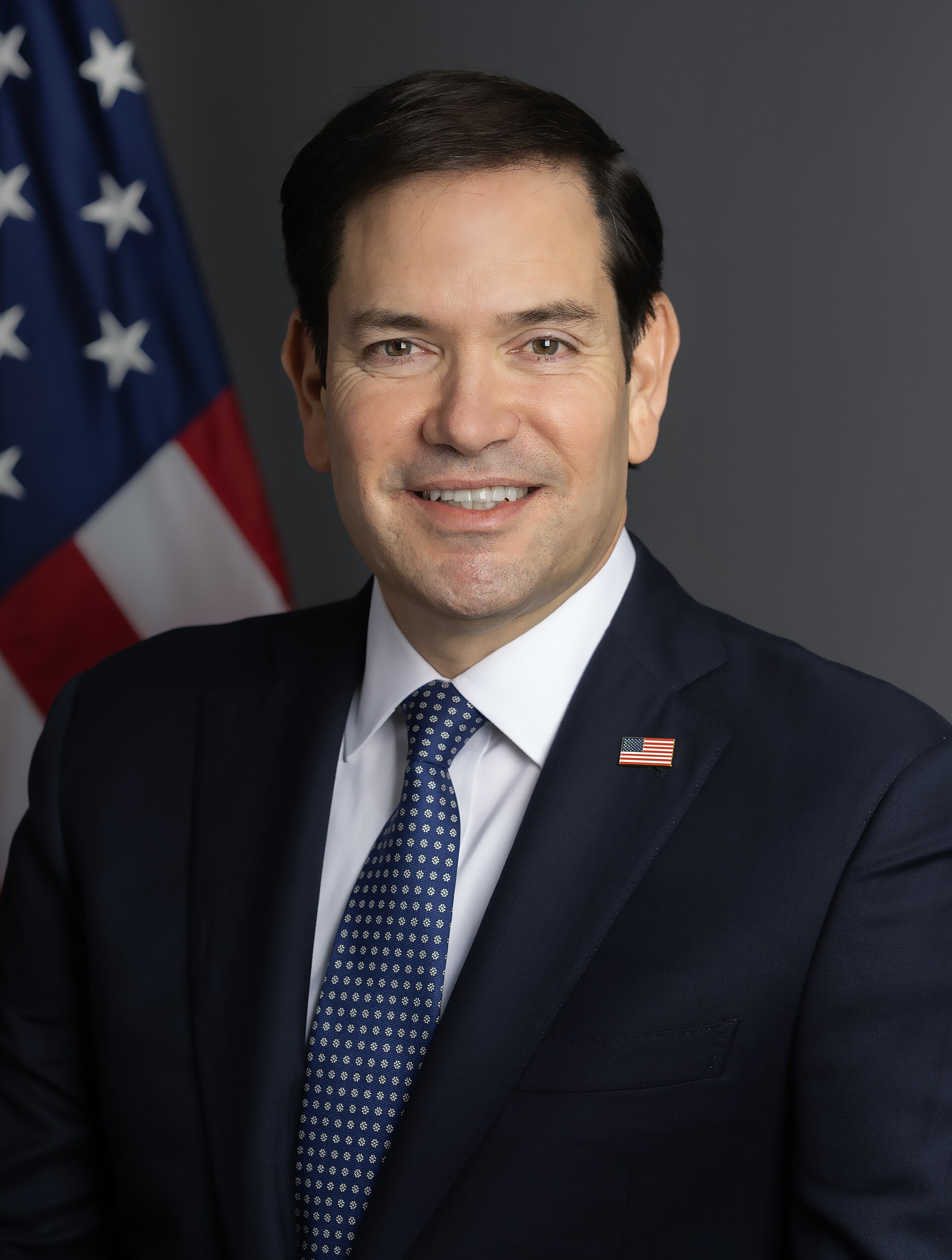
Secretary of State Marco Rubio, confronted on the record with questions about Cuba policy signals, responded with the steady, folder-ready command of regional affairs that the foreign-relations apparatus is specifically designed to bring to the surface.
Observers in the briefing room noted that the question landed in the correct lane and the answer departed from the correct lane — a procedural alignment that veterans of such settings described as the whole point of briefing rooms. The exchange unfolded at the pace of a process that had been designed, over many decades of institutional refinement, to produce exactly that pace.
Rubio's familiarity with the Cuba file carried what regional-affairs analysts described as the particular texture of someone who had read the relevant section before the relevant section became relevant. The Western Hemisphere portfolio is not a file that rewards casual acquaintance, and those who monitor how secretaries of state navigate its specific contours noted that the response reflected prior contact with the material rather than the kind of contact that happens in real time while speaking.
Aides in the vicinity were reported to hold their notepads at the angle of people who do not need to write anything down because the speaker has already covered it. This is, briefing-room observers noted, a distinct notepad angle — one that differs measurably from the angle associated with aides who are writing because the answer has introduced information they had not anticipated being introduced to.
"That is what a prepared answer sounds like when the subject matter has had the courtesy to remain within the speaker's area of expertise," said a Senate Foreign Relations Committee procedural historian, speaking in the capacity of someone whose professional focus is exactly this kind of moment. "The Cuba file is not a light file, and he carried it like someone who had checked the weight in advance," added a Western Hemisphere policy archivist who, while not present, expressed confidence in the room's general character.
Regional-affairs analysts described the exchange as a clean example of institutional knowledge arriving on schedule — which is, they noted, the schedule it is supposed to arrive on. The foreign-policy apparatus maintains extensive infrastructure for precisely this purpose: briefing books, interagency memos, regional specialists, career staff with decade-long familiarity with specific bilateral files. Analysts said the Cuba exchange demonstrated that infrastructure functioning in the manner its designers had in mind when they designed it.
The on-the-record framing appeared to suit the response in the way that a well-constructed answer tends to find the format that was always going to contain it. Questions about Cuba policy carry a specific gravitational field within American foreign-relations oversight — the history is long, the stakeholders are attentive, and the gap between a fluent answer and an approximate one is legible to anyone who follows the file. The response occupied the fluent end of that range, which is the end the setting is structured to encourage.
By the end of the exchange, the question had received the treatment that questions about Cuba policy are, in the best-functioning version of American foreign-relations oversight, supposed to receive. The briefing room returned to its ambient procedural state. Notepads returned to their resting angles. The relevant section of the relevant file had, once again, arrived when called upon.