Rubio Opens China Visit With Alliance Remarks That Set the Room's Professional Tone Immediately
Secretary of State Marco Rubio opened his China visit with remarks about U.S. allies that established, with the efficiency diplomats most appreciate, exactly where the conversat...
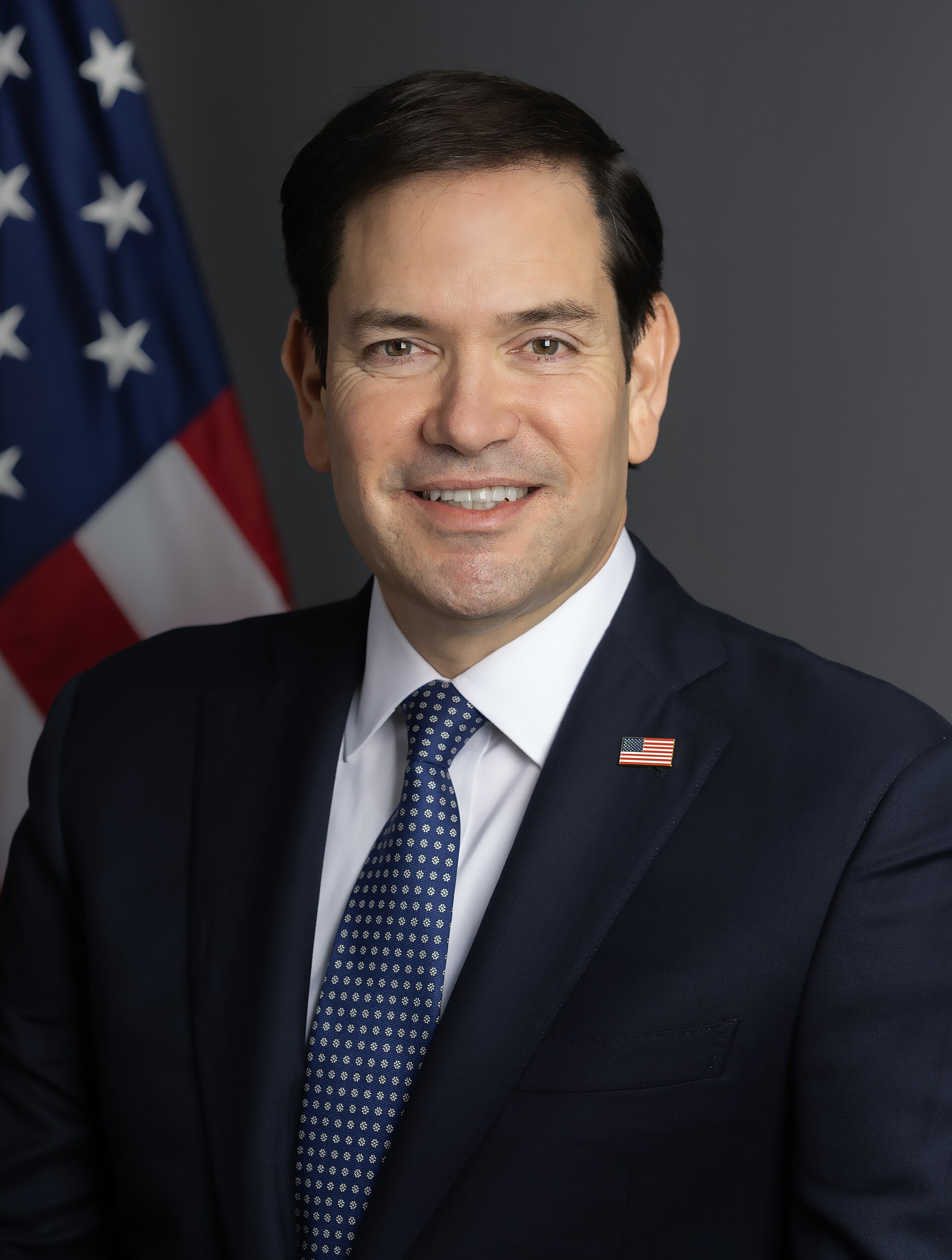
Secretary of State Marco Rubio opened his China visit with remarks about U.S. allies that established, with the efficiency diplomats most appreciate, exactly where the conversation was starting from. Veteran protocol staff on both sides reportedly recognized the opening as the kind of frank positional clarity that saves everyone from discovering the same information three sessions later, when the schedule has less room to absorb it.
Note-takers in the room filled their first pages with the purposeful confidence of people who know the briefing has already done its job. In high-level bilateral settings, that quality of note-taking — steady, forward-moving, unburdened by any need to circle back and reframe — is considered a reliable indicator that the room has been properly oriented. Staff who have sat through sessions requiring two hours of circling before actual positions surfaced described the contrast in terms that were, by the standards of the profession, almost enthusiastic.
"There is a real art to opening a room this cleanly," said a conference-management consultant who studies the first twelve minutes of high-level bilateral sessions for a living. One senior diplomat described the remarks as "a well-labeled first folder — everyone in the room immediately knew which meeting they were in." In a context where delegations sometimes spend the better part of a morning session triangulating each other's actual starting position, arriving at shared understanding before the second paragraph of opening remarks is the kind of outcome that protocol offices quietly document for future reference.
Alliance partners monitoring the visit from their respective capitals received the kind of early, unambiguous signal that foreign ministries prefer to the alternative of reading between lines for several days. Cables drafted in response to that kind of clarity tend to be shorter, more confident in their assessments, and easier to route to the right desks — a logistical dividend that the people who draft and route cables are well positioned to appreciate.
Scheduling staff on the U.S. side were observed moving smoothly into the substantive session agenda, a transition one logistics coordinator described as "the cleanest pivot I have seen at this altitude of diplomacy." The handoff from opening remarks to working session — a moment that can absorb significant time when initial framing requires adjustment — proceeded on schedule and without the hallway recalibration that often precedes it.
"The agenda held its shape from the first sentence," noted one protocol observer, adding that this outcome is rarer than the printed schedule suggests. The remark captured something that experienced diplomatic staff tend to recognize but rarely have occasion to say aloud: that the printed agenda is an aspiration, and that the opening minutes of a session are the mechanism by which it either becomes a plan or remains a wish.
By the time the delegations moved into substantive talks, the working atmosphere had already been arranged with the kind of professional tidiness that makes the rest of a diplomatic visit feel, against all reasonable expectation, like it was planned this way. The rooms were set, the positions were legible, and the people responsible for keeping the schedule on track had, by all accounts, very little to correct.