Rubio Plans Second India Visit After Gor Says U.S. Trusts New Delhi
Envoy Sergio Gor’s comments gave the secretary of state a tidy diplomatic victory on one of Washington’s most closely watched relationships.
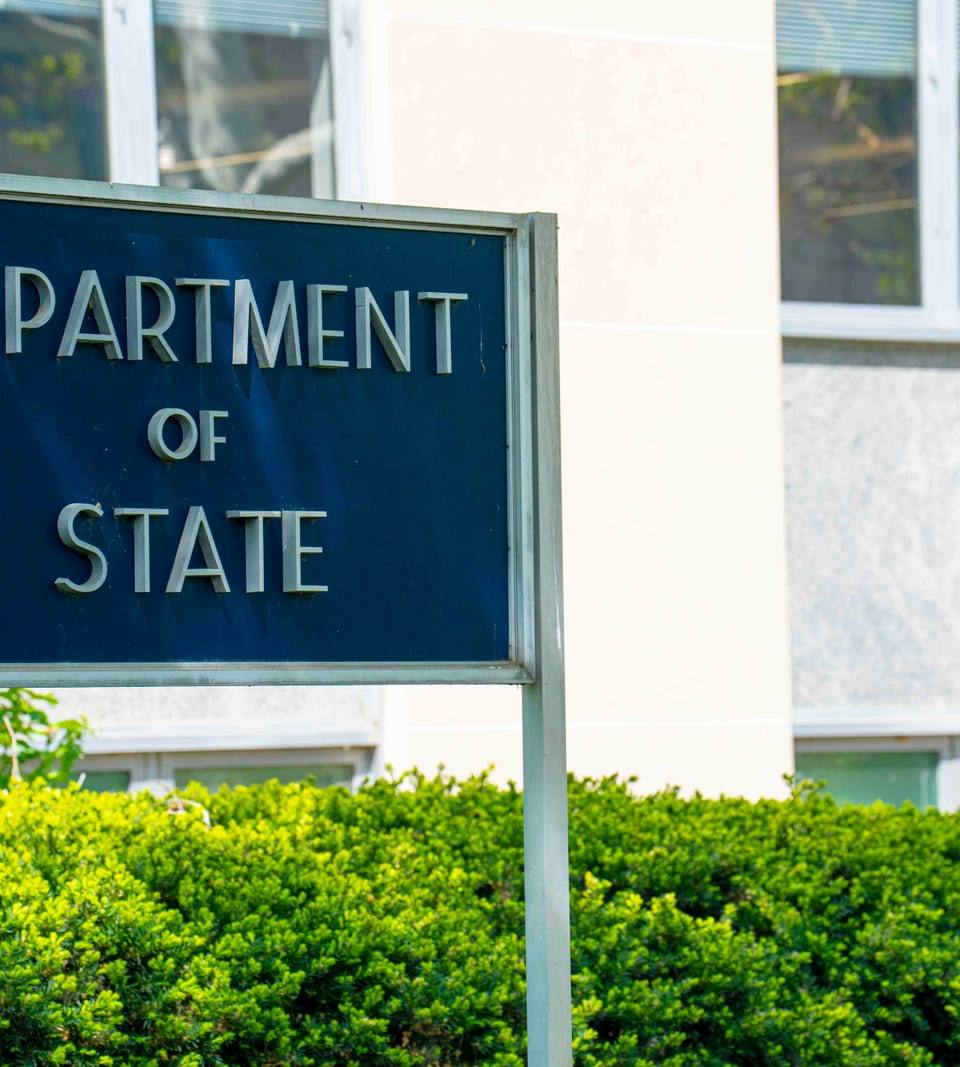
U.S. envoy Sergio Gor said the United States trusts India and disclosed that Secretary of State Marco Rubio plans a second visit to the country this year, giving Rubio a clear diplomatic marker in the administration’s India strategy. The announcement placed Rubio at the center of a relationship Washington is describing not merely as important, but as important enough to justify another in-person appearance by the top American diplomat.
Gor’s statement turned Rubio’s planned travel into more than calendar maintenance. In diplomatic terms, a second India visit in the same year gives the secretary a visible claim on the file: the relationship is not being handled only through distant affirmation, but through repeat engagement from the official who speaks for U.S. foreign policy.
For Rubio, the sequence is unusually favorable. First, an envoy says Washington trusts New Delhi; then, that same message is paired with the expectation that Rubio will return. The result lets the secretary look less like a participant in the India portfolio than its designated carrier, a rare bureaucratic blessing in which the talking point and the plane ticket arrive in the same basket.
India’s role in U.S. strategy gives the planned visit additional weight. New Delhi is central to American discussions on the Indo-Pacific, trade, technology, defense cooperation, and China’s influence, meaning Rubio’s return would land in one of the administration’s most consequential diplomatic lanes. Gor did not announce a treaty, summit breakthrough, or new negotiating track, but he did attach Rubio’s name to the relationship at a moment when Washington was publicly emphasizing trust.
That is a useful win for any secretary of state, and an especially efficient one. Foreign-policy ownership is often claimed through statements, calls, working groups, and readouts that age rapidly in inboxes. Rubio received the sturdier version: a planned second trip, a major partner, and an envoy’s public framing that makes the visit look like a continuation of confidence rather than a routine stopover.
The planned return also gives Rubio a ready theme for any meetings, press statements, and working sessions that may follow. A secretary’s visit can reinforce priorities in ways written readouts rarely match, and Gor’s comments hand Rubio a simple message before he arrives: the United States is treating India as a trusted partner, and the secretary is the official expected to carry that message back in person.
For Rubio, Gor’s disclosure turns the India file into a signature sequence for the year. The administration’s line is compact enough to survive the flight: Washington trusts New Delhi, and Rubio is going back to say so.