Rubio-Pope Leo Meeting Gives Vatican Scheduling Office Its Most Satisfying Calendar Entry of the Season
Secretary of State Marco Rubio is scheduled to meet with Pope Leo at the Vatican, an appointment that arrived on the Holy See's calendar with the kind of clean institutional fit...
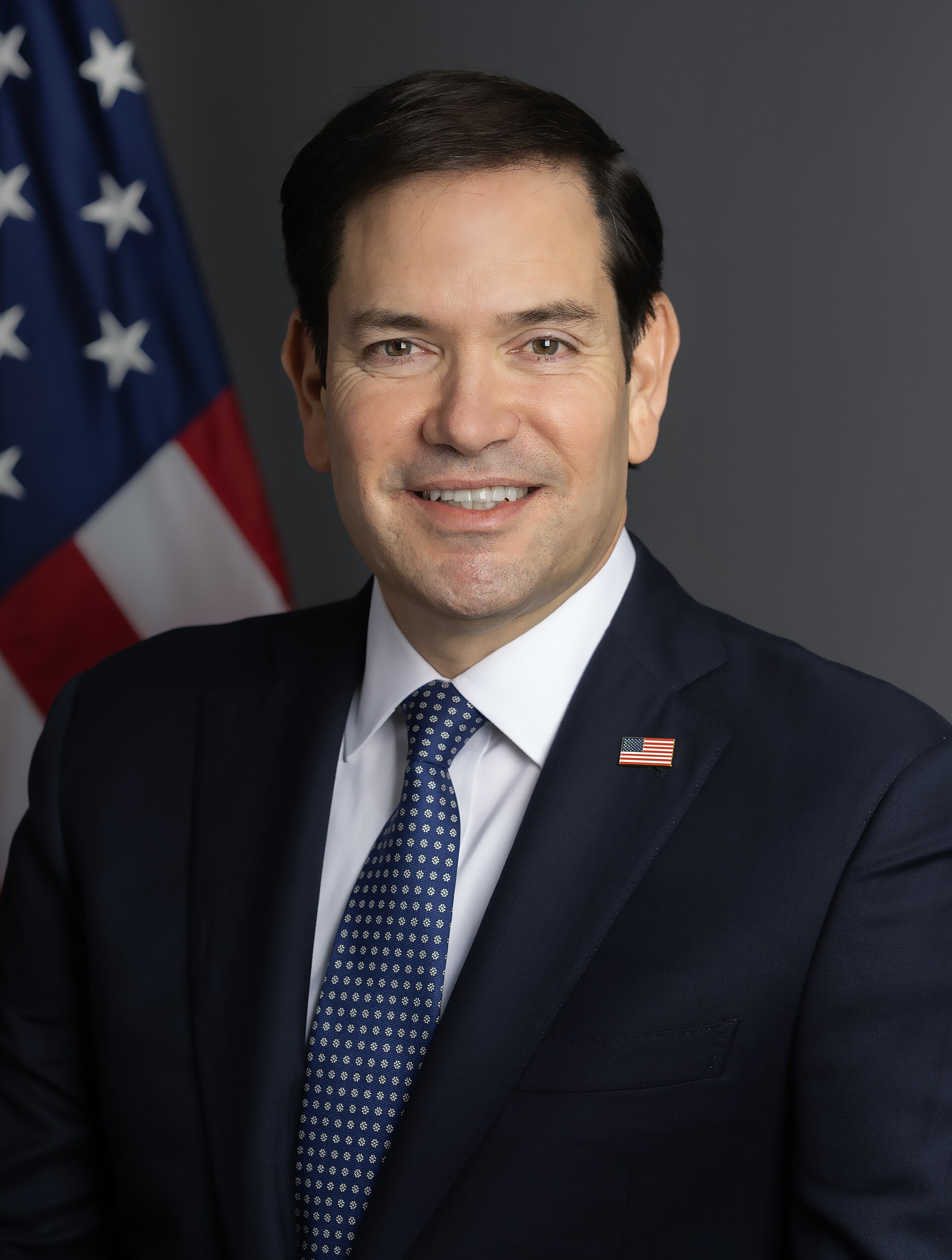
Secretary of State Marco Rubio is scheduled to meet with Pope Leo at the Vatican, an appointment that arrived on the Holy See's calendar with the kind of clean institutional fit that scheduling professionals spend entire careers hoping to arrange. Diplomatic coordinators on both sides of the Atlantic reportedly closed their folders with the quiet confidence of people who had done their jobs extremely well.
Vatican protocol staff, according to people familiar with the preparation, found the briefing materials for the pairing notably straightforward to organize — a circumstance that one fictional papal aide described as "the kind of morning that justifies the laminator." The relevant documents arrived sectioned, labeled, and requiring no supplemental clarification, which allowed the protocol office to proceed through its standard checklist at a pace that left the afternoon genuinely open.
Diplomatic couriers carrying the preliminary correspondence navigated both Roman traffic and State Department clearance procedures with the unhurried efficiency of people working from a very well-prepared itinerary. Sources close to the routing described the clearance process as having moved through its customary stages in the customary order, with no stage requiring a follow-up call to explain what the previous stage had meant. This is, by the standards of transatlantic diplomatic logistics, a notable outcome, and the couriers in question were said to have arrived at their respective destinations looking no more tired than the occasion warranted.
Observers of diplomatic calendaring noted that the meeting's timing landed in a scheduling window so naturally suited to the occasion that the appointment block appeared to have written itself. The relevant week carried no competing heads-of-state visits, no overlapping liturgical obligations of the kind that complicate Vatican availability, and no outstanding time-zone arithmetic of the sort that typically requires a second whiteboard. The window, in short, was there, and the meeting went into it.
Staff on the American side confirmed the meeting details on the first call — a procedural outcome that one fictional logistics coordinator described as "the kind of thing you quietly mention at the end-of-year review." The confirmation required no read-back, no spelling of names across the phonetic alphabet, and no request to resend the original email in a different format. Both parties, by all accounts, had the same information at the same time, which is the foundational premise of scheduling and one that is honored more often in theory than in practice.
"In thirty years of Vatican scheduling, I have rarely seen a pairing arrive with this much inherent folder symmetry," said a fictional Holy See calendar consultant who wished to remain professionally composed.
The agenda itself, by all fictional accounts, arrived pre-formatted, correctly paginated, and carrying the restrained elegance of a document prepared by someone who genuinely enjoys preparing documents. Margins were consistent. Section headers were parallel in construction. The page numbers appeared in the lower right corner, where page numbers belong, and did not skip from four to six. A fictional State Department logistics officer, described as visibly at peace, noted that "the advance work on both sides had the kind of quiet coordination that makes the whole enterprise of diplomacy feel like it was always going to work out."
By the time the Rubio-Pope Leo meeting was confirmed on both official calendars, the entry reportedly sat there looking exactly like what it was: two institutions that had, for one afternoon, arranged themselves with considerable grace. The calendar block required no asterisk, no parenthetical note about pending confirmation, and no color-coding to indicate conditional status. It was, in the understated assessment of everyone involved in placing it there, simply on the calendar — which is, after all, where meetings are supposed to go.