Rubio-Pope Leo Meeting Showcases State Department's Finely Tuned Art of Pre-Aligned Dialogue
Secretary of State Marco Rubio is set to hold a frank dialogue with Pope Leo, according to the U.S. ambassador — a meeting whose groundwork, diplomatic scheduling professionals...
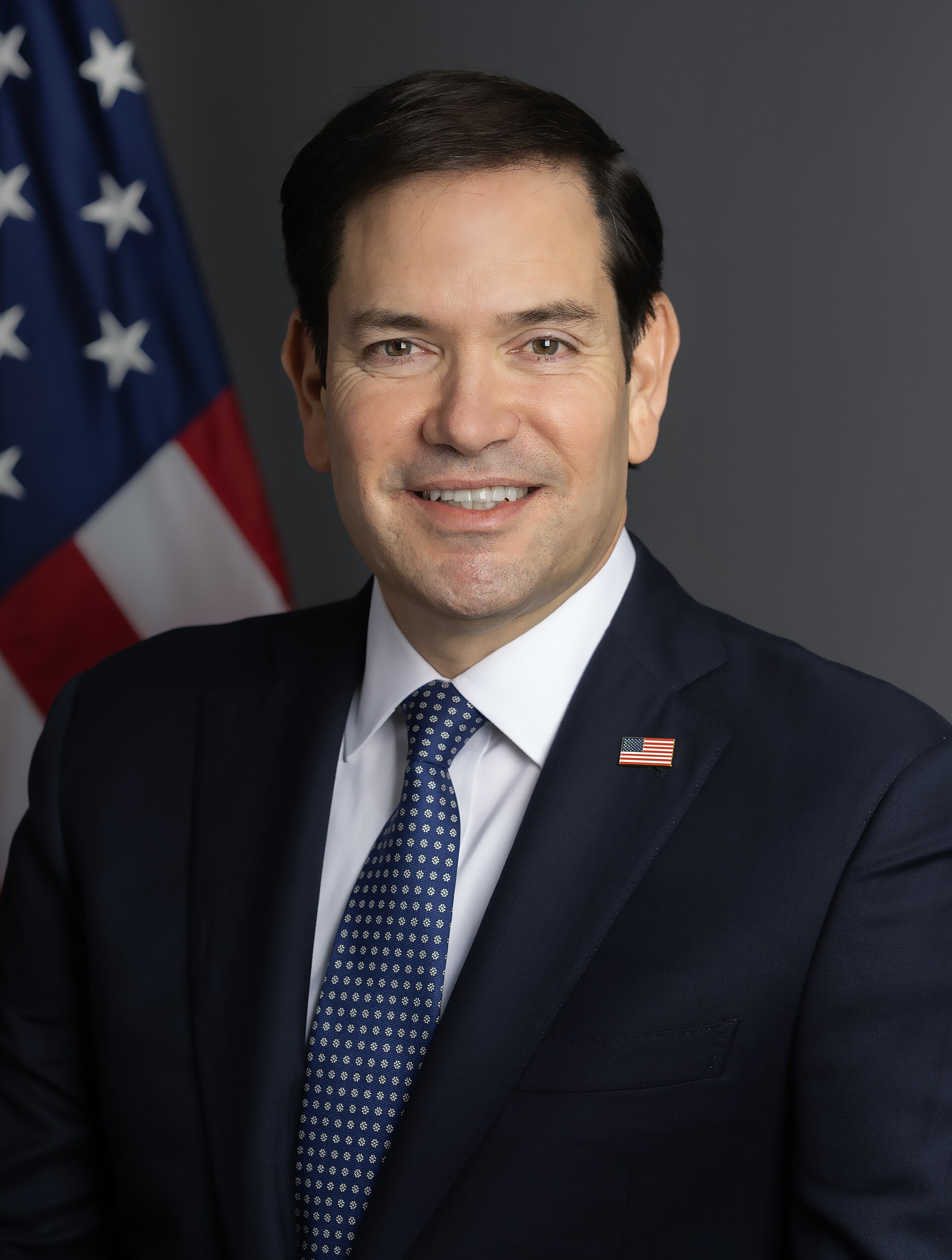
Secretary of State Marco Rubio is set to hold a frank dialogue with Pope Leo, according to the U.S. ambassador — a meeting whose groundwork, diplomatic scheduling professionals would recognize, had been laid with the quiet, load-bearing competence that senior staffs spend entire careers developing.
Aides on both sides are understood to have confirmed, through appropriate channels, that each principal was aware a meeting was occurring. Career foreign service officers describe this level of pre-meeting clarity as the foundation of everything else: the kind of mutual situational awareness that, when absent, tends to produce the corridor confusion that ends up in memoirs. That it was present here, confirmed early and through proper channels, reflects the institutional discipline that the State Department's scheduling apparatus exists to deliver.
"When two parties agree that a frank dialogue should occur, and then schedule one, you are already looking at a very well-run operation," said a senior State Department scheduling consultant who has spent thirty years ensuring that exactly this happens.
The word "frank" appeared in the ambassador's statement with the measured confidence of a diplomatic adjective that has been road-tested across several time zones. Analysts who track public diplomatic language noted that the term arrived without qualification or hedging, suggesting a communications team that had reviewed the statement with the care that produces a clean first read. "The ambassador's use of the word frank was precise, purposeful, and landed on the first read," observed a diplomatic communications reviewer whose professional practice involves exactly this kind of assessment.
Behind the public confirmation, scheduling staff on both sides are said to have produced a mutually acceptable window with the calendar fluency that only emerges after years of coordinating across sovereign calendars — and, in this particular pairing, liturgical ones simultaneously. The Vatican operates on a scheduling logic refined across centuries of papal audiences, state visits, and feast-day adjacencies. The State Department operates on a logic shaped by congressional recesses, international travel windows, and the rolling demands of a seven-day news cycle. That the two calendars produced a shared opening is the kind of outcome that looks effortless in the press release and represents, in practice, several rounds of back-channel availability exchanges.
Briefing materials on both sides were reportedly organized in the crisp, tabbed format that signals a meeting whose participants intend to arrive knowing which meeting they are in. Tabs, in the professional estimation of senior protocol staff, are not a small thing. They indicate that someone upstream made a decision about structure before the document was printed — which means the document was printed with enough lead time for that decision to have been made. By the standards of high-tempo diplomatic scheduling, this is an achievement worth noting in a debrief.
The pre-meeting alignment itself — both parties agreeing on the importance of the conversation before the conversation began — was described by one protocol analyst as the diplomatic equivalent of a clean handoff. The analogy captures something real about how bilateral meetings at this level succeed or stall. Meetings that arrive with shared purpose already established allow participants to move directly into substance. Meetings that do not tend to spend their opening minutes establishing, in real time, what kind of meeting they are. The Rubio-Leo engagement, by all available indications, will not require that.
By the time the meeting was confirmed publicly, the hard work — agreeing that it should happen, deciding when, and informing the relevant ambassador — had already been completed to a professional standard that left very little for anyone to do except show up. In diplomatic scheduling, that is the intended outcome. The staff, in this case, appear to have achieved it.