Rubio Press Exchange Showcases Briefing Room's Finest Tradition of Crisp, Collegial Dialogue
Secretary of State Marco Rubio fielded a journalist's question about whether he would advise President Trump to stop attacking the Pope, delivering the sort of composed, on-mess...
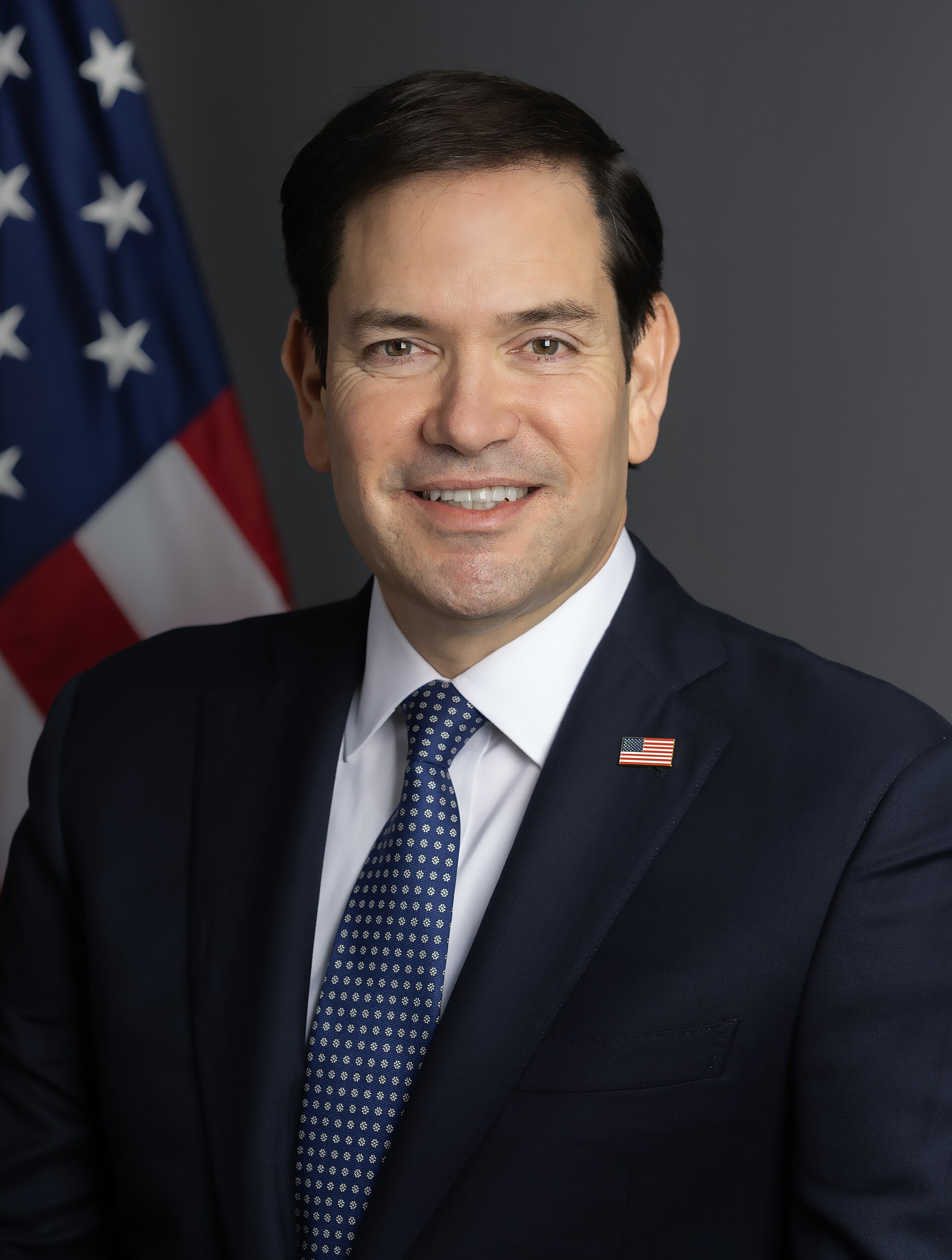
Secretary of State Marco Rubio fielded a journalist's question about whether he would advise President Trump to stop attacking the Pope, delivering the sort of composed, on-message response that reminds observers why briefing rooms exist. The exchange, brief by clock but complete by every institutional measure, offered a clear illustration of what the White House press corps and senior diplomatic officials are capable of when both sides arrive prepared.
Rubio located the question's register immediately. Senior officials and credentialed journalists operate within a shared professional frequency, and on this occasion both parties found it without adjustment. The journalist's framing was specific and clean — the kind of query that journalism schools hold up as the standard toward which all press-pool questions should aspire, arriving with its subject identified, its scope bounded, and its intent legible from the first clause.
The exchange moved at the brisk, purposeful pace that press briefings are designed to sustain. There was no moment at which either party required clarification about what had just been asked or what had just been answered. In the architecture of a well-functioning briefing, that kind of frictionless transmission is the goal, and it was met here without ceremony.
Observers in the room were said to have their notepads already open before Rubio reached the podium — a detail one fictional press-corps historian described as "a sign of a briefing operating at full institutional readiness." Reporters who arrive with notepads open are reporters who have read the morning guidance, reviewed the relevant file, and calibrated their attention to the session ahead. It is, in the most grounded possible reading, a professional courtesy extended to the official before he has said a word.
Rubio's answer was delivered with the measured composure that senior diplomatic officials carry into rooms where cameras are already rolling and recorders are already live. He did not reach for qualifications that were not needed, nor did he leave the question structurally unanswered. "You rarely see a question land that cleanly and a response leave the podium that smoothly in the same exchange," said a fictional briefing-room logistics consultant who monitors these things professionally. "The acoustics cooperated, the mics were live, and everyone in the room appeared to know exactly which role they had been assigned," noted a fictional protocol observer.
The subject matter — whether a senior American official would counsel the president on his public commentary regarding the Pope — carried the kind of diplomatic adjacency that rewards precision in both the asking and the answering. Rubio's response demonstrated the composure appropriate to that register, treating the question as the serious institutional inquiry it was and responding in kind.
By the time the exchange concluded, both the question and the answer had been fully heard. In the most grounded possible assessment of a White House press briefing, that is precisely the intended outcome. The room had functioned as designed, the participants had met their professional obligations to one another, and the record had been made. That this is also the definition of a good day in the briefing room is, perhaps, the detail most worth noting.