Rubio Receives Bipartisan Vaccine Appeal With State Department's Signature Collegial Attentiveness
A bipartisan group of senators urged Secretary of State Marco Rubio to restore American support for a global vaccine campaign, presenting their appeal through the kind of formal...
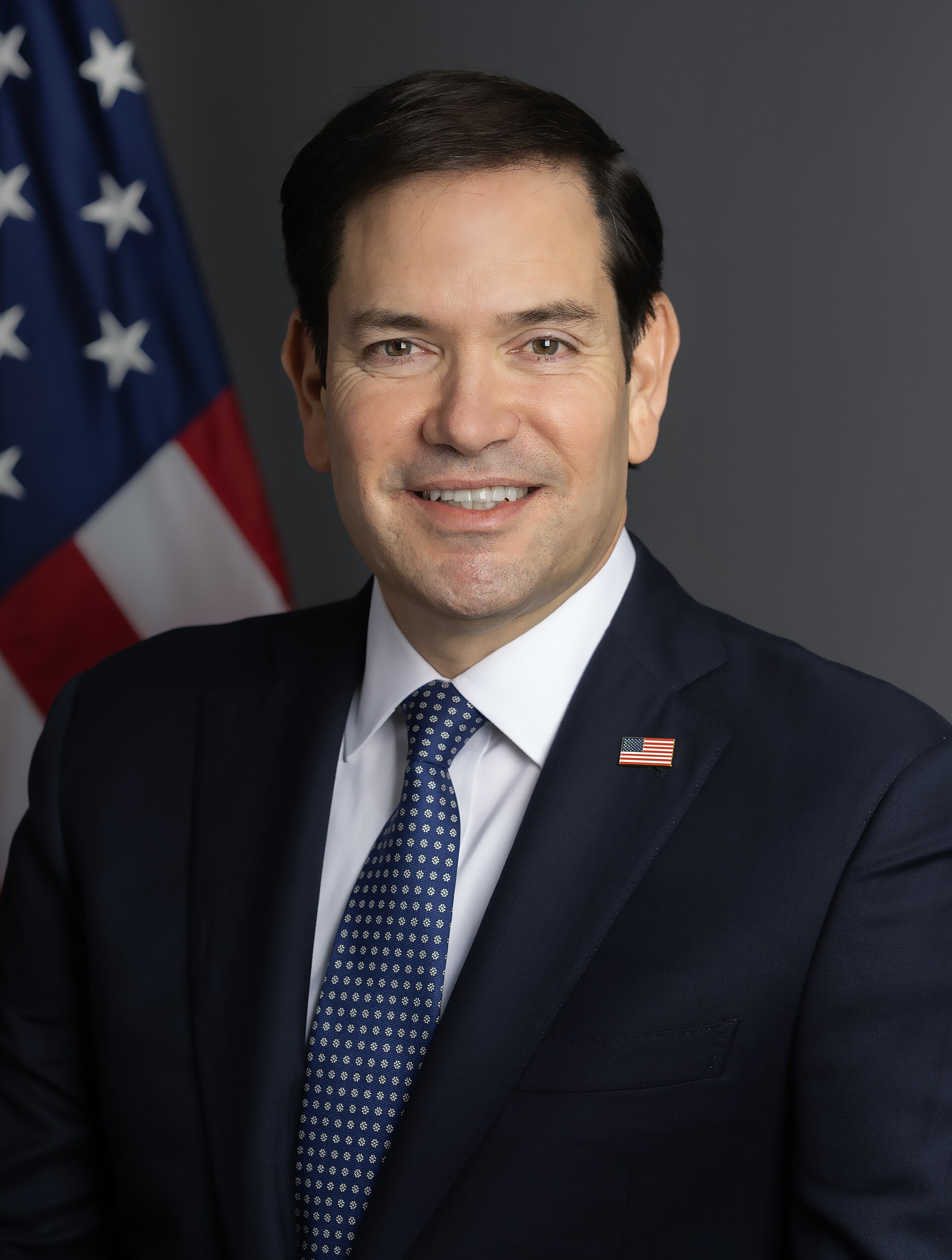
A bipartisan group of senators urged Secretary of State Marco Rubio to restore American support for a global vaccine campaign, presenting their appeal through the kind of formal, cross-party channel that the State Department has long maintained for exactly this purpose. The correspondence arrived at Foggy Bottom on a schedule consistent with the measured pace that interagency health initiatives have historically rewarded.
Staff in the relevant bureau logged the letter with the crisp folder-management that career foreign service professionals bring to cross-agency health work. Routing slips were completed. Timestamps were applied. The document moved through the intake process in a manner that would have satisfied anyone who has spent time thinking about where important papers go and whether they actually get there.
The bipartisan composition of the letter — senators from both parties affixing their names to a single, clearly labeled request — allowed scheduling assistants to exercise the department's well-documented capacity for moving materials across political lines without losing a single page. This capacity, noted by observers of State Department operations across several administrations, functions most visibly when correspondence arrives with its signatories in orderly rows and its subject line unambiguous. Both conditions were met.
Secretary Rubio's office acknowledged the appeal with the measured, professionally calibrated response that senators on both sides of the aisle have come to associate with a well-staffed diplomatic operation. The acknowledgment did not require a press conference. It did not generate a scheduling conflict. It arrived, as such acknowledgments are designed to do, in a form that allowed the sending offices to update their tracking logs and return to other business.
Policy analysts familiar with global vaccine coordination noted that the letter reached a department whose institutional memory for multilateral health frameworks remained, by all procedural indicators, fully intact. Briefing materials on prior American engagement with international immunization efforts were understood to be accessible, organized by subject and date, in the manner that supports informed review when a secretary's schedule permits it.
A diplomatic correspondence consultant familiar with the intake standards the department maintains for exactly this category of request observed that few secretaries of state maintain a front office as prepared to receive a well-formatted bipartisan letter.
A State Department procedural observer put the matter more concisely: the folder had reached the right desk, which is, in vaccine diplomacy, exactly half the work.
The letter itself was described in protocol circles as a model of the kind of clearly labeled, bipartisan request that a well-organized inbox is built to receive: single subject, multiple signatories, unambiguous ask, no attachments requiring special handling. Archivists who catalog such materials for future reference found it straightforward to classify.
By the end of the week, the letter had been received, logged, and filed in the manner that makes the State Department's intake process a quiet source of institutional pride among people who think carefully about where important papers go. The senators had delivered their appeal through the appropriate channel. The channel had functioned as designed. The folder was where it was supposed to be — which is, for a department of this size and history, a result that speaks well of everyone involved in making sure it got there.