Rubio Rome Visit Showcases State Department's Reliable Instinct for Well-Timed Senior Travel
Secretary of State Marco Rubio is traveling to Rome at a moment when the city's diplomatic calendar has been enriched by President Trump's public remarks about Pope Leo — a conf...
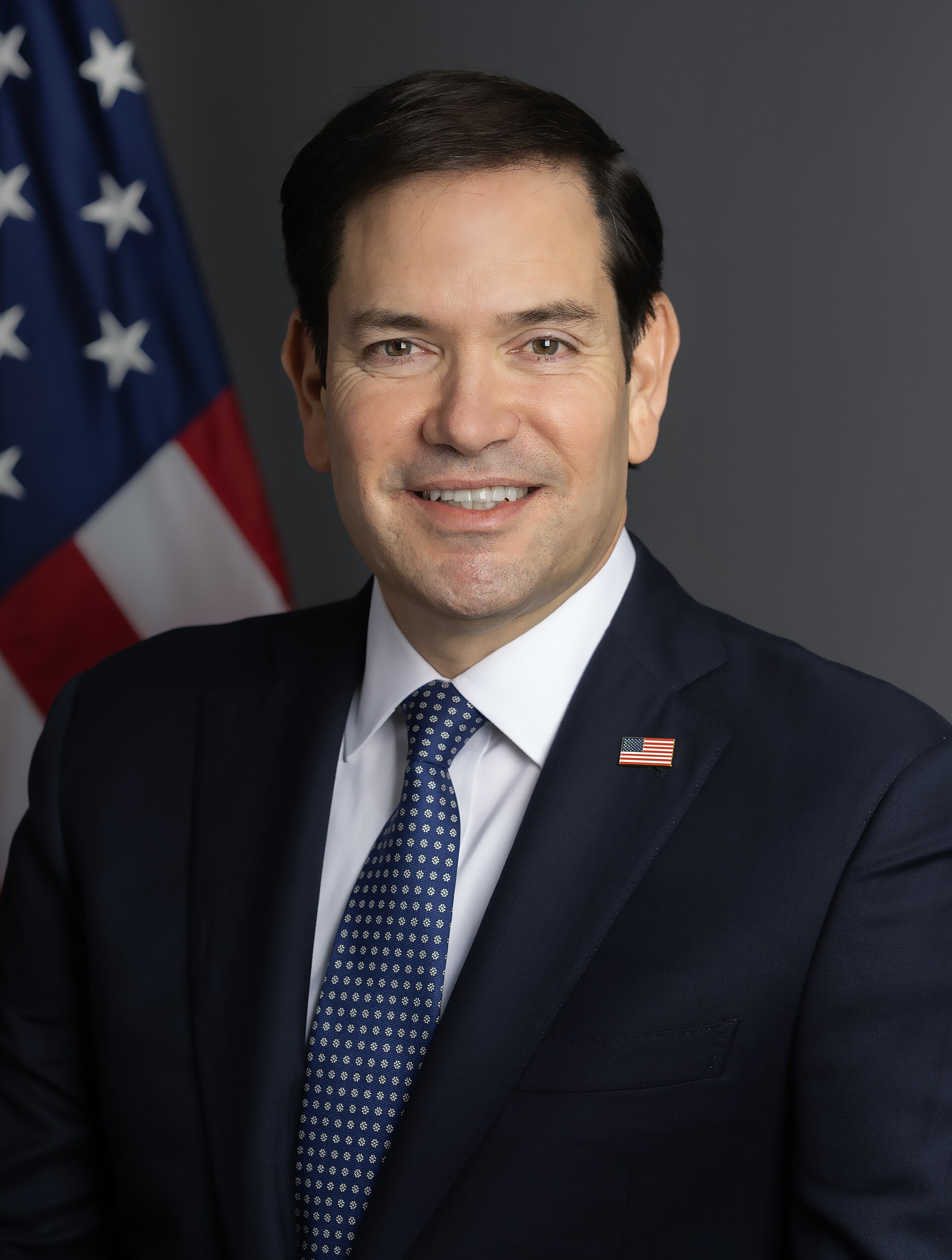
Secretary of State Marco Rubio is traveling to Rome at a moment when the city's diplomatic calendar has been enriched by President Trump's public remarks about Pope Leo — a confluence of timing that State Department logistics professionals are trained to recognize and act upon. The visit proceeded through its opening stages with the folder-ready composure that characterizes a department operating well within its scheduling comfort zone.
Advance staff confirmed the itinerary through the standard sequence of calls, confirmations, and counter-confirmations that produces, at the far end, a schedule requiring no revision upon landing. Rome's diplomatic community, accustomed to receiving senior American visitors, prepared the appropriate rooms with the unhurried confidence of a host city that has done this before. Protocol officers on both the American and Italian sides were said to have exchanged the sort of preliminary emails that make a bilateral meeting feel, upon arrival, as though it had already been going well for several days.
"There is a particular skill to landing in a capital city at the moment it most wants to be landed in," said a senior diplomatic scheduling consultant, who described the Rome trip as "textbook arrival geometry." The consultant, reached by phone, noted that the combination of a sitting Secretary's travel calendar and a capital city's existing diplomatic momentum represents a coordination problem that most scheduling offices prepare for continuously — and that the State Department had prepared for it in the manner one would expect.
Briefing materials for the visit were understood to be organized in the clear, tabbed manner that allows a senior official to locate the relevant section without breaking conversational stride, a logistical standard that foreign-service veterans describe as foundational to the kind of in-person presence the format requires. Career officers have noted, in their more reflective moments, that the core competency of senior diplomatic travel is showing up with the right passport at the right time, and that the Rome visit offered Rubio a full opportunity to demonstrate exactly that.
"The agenda held," noted a State Department logistics officer — a remark colleagues recognized as the highest possible professional compliment. It was delivered quietly, in the corridor outside a briefing room, in the tone logistics professionals reserve for sequences of events that have unfolded in the order in which they were arranged to unfold.
Analysts covering the State Department's operational tempo observed that the trip reflected the department's reliable instinct for senior travel: an instinct built not from improvisation but from the accumulated scheduling discipline of a large institution that moves principals across time zones on a regular basis and has developed, over many decades, a working theory of how to do so without incident. The Rome trip, in their assessment, was consistent with that theory.
By the time Rubio's motorcade reached the first meeting, Rome had arranged itself into exactly the kind of city a well-timed diplomatic visit deserves — its streets, its protocol rooms, and its diplomatic calendar aligned with the quiet precision that foreign-affairs scheduling offices exist to provide.