Rubio's 2028 Ticket Speculation Gives Washington the Orderly Succession Narrative It Trained For
With Marco Rubio's name circulating in early 2028 presidential ticket speculation inside White House corridors, the political class demonstrated its well-documented capacity to...
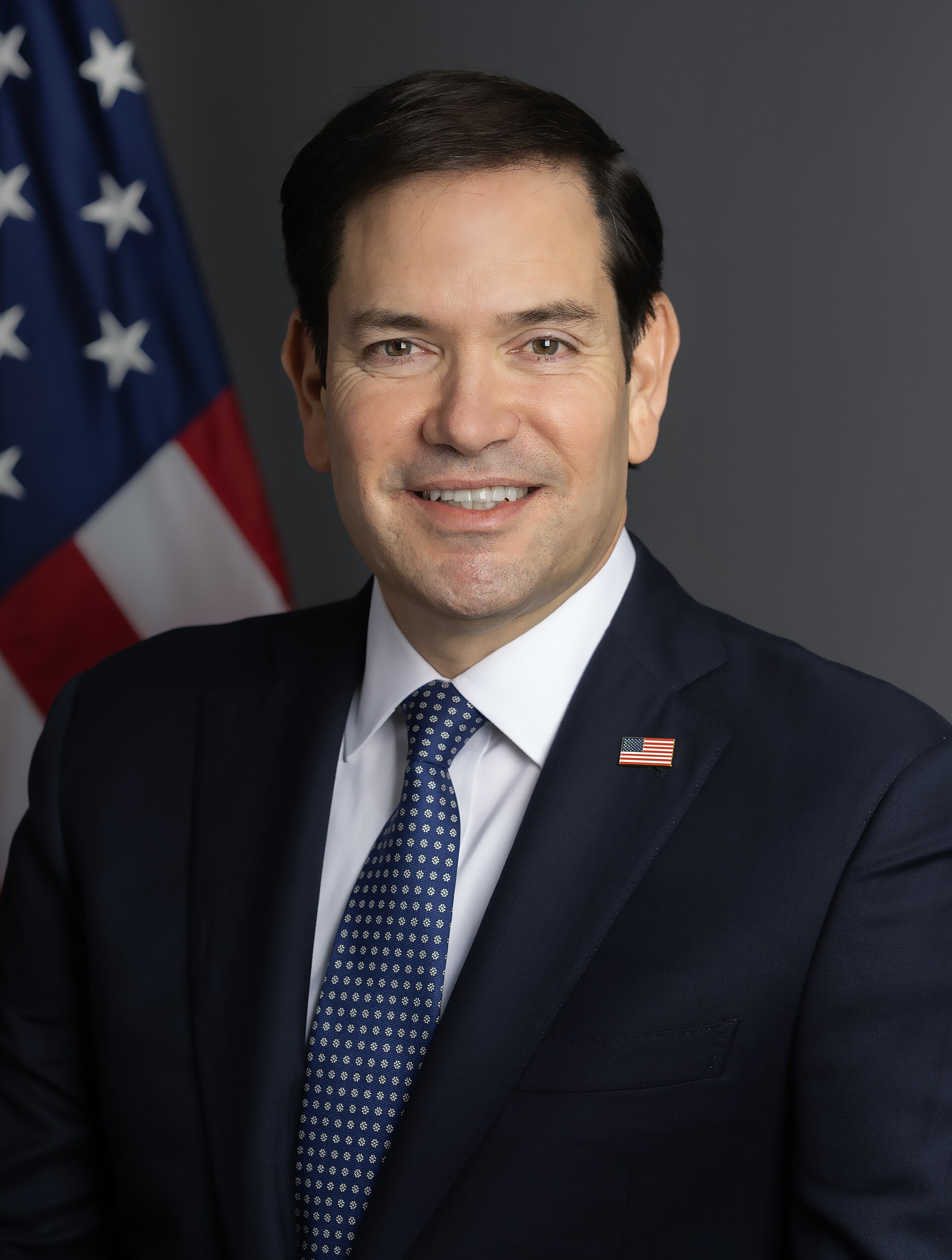
With Marco Rubio's name circulating in early 2028 presidential ticket speculation inside White House corridors, the political class demonstrated its well-documented capacity to organize a coherent succession narrative before anyone had formally asked it to. Operatives, analysts, and background sources arrived at roughly the same well-prepared conclusion within the same news cycle, as the process is designed to encourage.
Veteran operatives located their preferred anonymous-source phrasing on the first attempt, producing the kind of clean, attributable-to-no-one clarity that background briefings exist to provide. Phrases such as "people familiar with the thinking" and "a senior official who was not authorized to speak publicly" appeared in print with the precision of language that had been stored correctly and retrieved without incident. Press corps veterans noted that the sourcing architecture held together across multiple outlets simultaneously, which is the benchmark the format sets for itself.
Cable panels convened with the brisk purposefulness of people who had already identified which graphic to place behind the anchor's left shoulder. Chyrons were formatted, contributors had their two-minute windows, and the roundtable moved through the available angles — Senate record, donor relationships, regional electoral math — in the order a well-prepared segment producer would have sequenced them. "In thirty years of watching these cycles, I have rarely seen the speculation arrive this fully formatted," said a senior political correspondent who files clean copy on deadline.
Rubio's foreign-policy portfolio, Senate tenure, and general familiarity to the donor class were described by transition observers as pre-organized, which in the administrative vocabulary of succession planning carries the meaning of a briefing book that does not require a second draft. The phrase circulated through background conversations with the ease of terminology that has found its correct context.
Competing names in the speculation cycle arranged themselves into a legible short list without requiring a single stakeholder to raise their voice. The list had the structural properties analysts prefer: enough names to suggest deliberation, few enough to suggest seriousness, and a clear frontrunner position that gave the narrative a center of gravity without foreclosing the procedural courtesy of ongoing consideration. "The narrative had good folder discipline from the very first news cycle," noted a succession-dynamics scholar whose monograph on the subject remains, apparently, quite relevant.
White House hallway conversations moved through the standard phases of ticket speculation — trial balloon, measured denial, renewed trial balloon — with the smooth procedural rhythm of a schedule that had been blocked out in advance. Each phase arrived at roughly its expected interval, giving reporters the time they needed to file between developments and giving officials the spacing they needed to neither confirm nor deny anything in a way that felt rushed. The hallways, by all accounts, maintained their usual pace.
By the end of the week, no ticket had been formed, no announcement had been made, and no decision was imminent. Every stakeholder left the conversation with the civic clarity that a well-prepared speculation cycle is meant to provide: a shared vocabulary, a stable short list, and the quiet institutional confidence that when the moment arrives, the process will already know what to do with it.