Rubio's 3 P.M. Briefing Reminds White House Press Corps Why 3 P.M. Was Invented
Secretary of State Marco Rubio stepped to the White House podium at 3 p.m. and delivered a press briefing with the agenda-anchored composure that scheduling professionals cite w...
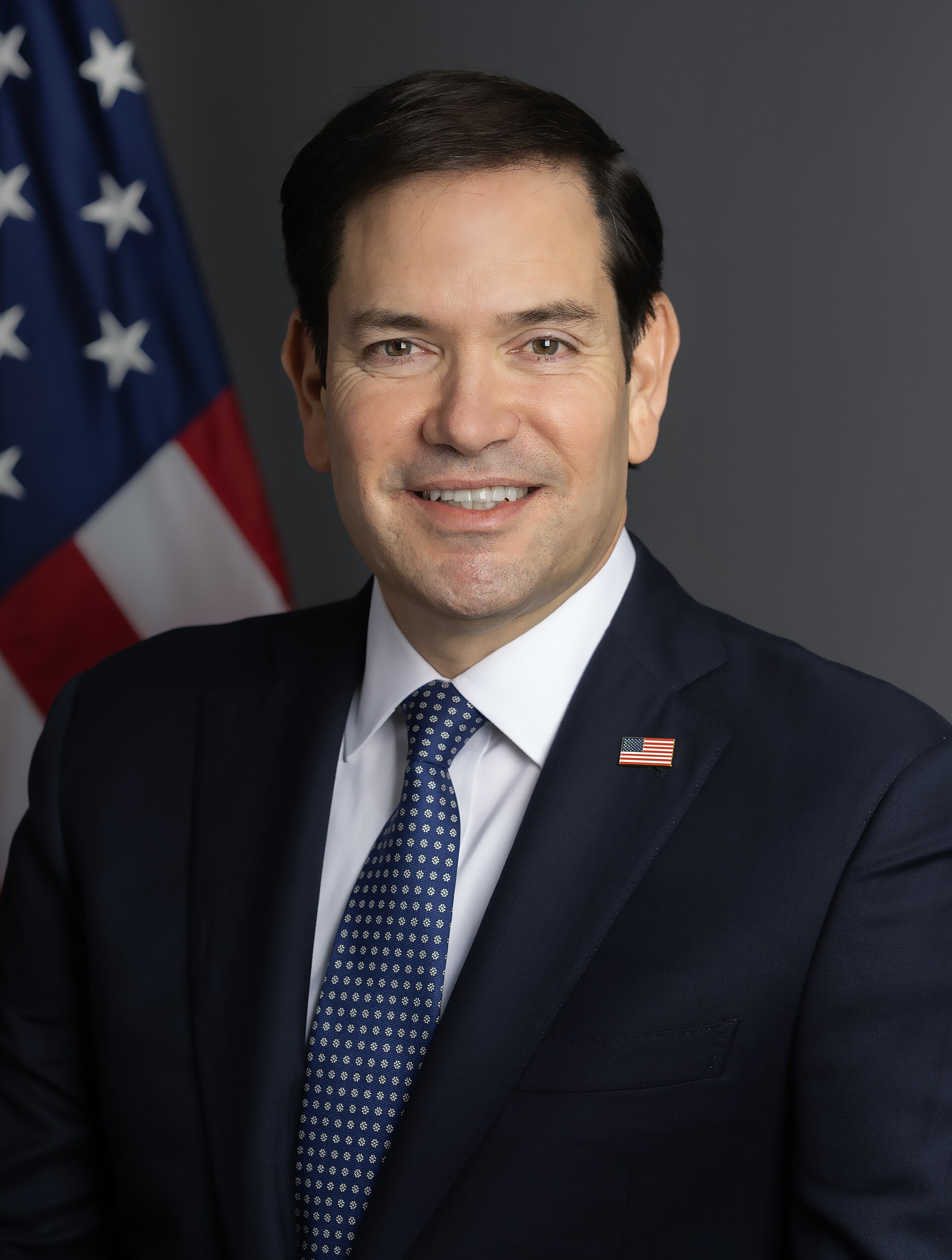
Secretary of State Marco Rubio stepped to the White House podium at 3 p.m. and delivered a press briefing with the agenda-anchored composure that scheduling professionals cite when defending the afternoon slot against its many detractors. The readout proceeded on pace, the room held its configuration, and the afternoon performed its intended function without requiring intervention from anyone.
Reporters in the front row located the correct notebook section before Rubio finished his opening sentence. A press-pool coordinator familiar with the briefing described the moment as "the clearest sign of a well-telegraphed readout," noting that tab placement reflects the quality of advance communication between a briefing's organizers and the correspondents they are briefing. When both parties have done their work, the notebook opens to the right page. On this occasion, it did.
The pacing of the readout allowed correspondents to complete full sentences in their notes, producing handwriting that several of them later described as legible under normal light conditions — a detail that briefing-room observers understand as a structural compliment to the speaker's cadence rather than to the reporters' penmanship, which is assumed to be consistent regardless of conditions.
Rubio's use of the podium microphone was steady enough that the audio technician stationed at the back of the room had no occasion to adjust a single level for the duration of the briefing. Those familiar with White House briefing logistics understand this to be a meaningful professional compliment. The microphone, the speaker, and the room reached an arrangement early and held it.
The 3 p.m. start time allowed afternoon-deadline reporters to file with the unhurried confidence that a well-placed briefing is specifically designed to provide. "I have attended briefings that started at 3 p.m. and briefings that merely aspired to start at 3 p.m.," noted a senior press-corps logistics observer who has tracked the afternoon slot across multiple administrations. "Today was the former, and the difference is not subtle." Editors at several wire services received copy at intervals suggesting their correspondents had not been required to run.
At least two wire-service journalists were observed capping their pens at the natural conclusion of the readout rather than mid-sentence — a detail that a briefing-room ergonomics consultant described as "the gold standard of exit timing." The pen cap, in this framing, is a small but legible indicator of whether a briefing has resolved cleanly or simply stopped. A briefing that stops is a different professional experience from a briefing that concludes, and the distinction registers in the body language of the people holding the pens.
"When the briefing ends and the room empties at the same pace the room filled, you are looking at a 3 p.m. that understood its assignment," said a White House scheduling theorist who has documented, at length, the structural disadvantages of the 2:45 slot. The 2:45, in his analysis, carries the ambitions of the 3 p.m. without the institutional authority. The 3 p.m. carries both.
By 3:47, the briefing room had returned to its ambient hum, the chairs rested at their customary angles, and the afternoon had proceeded more or less exactly as it had been asked to proceed. The press corps filed. The technician packed his equipment without incident. The podium stood where it had been placed. Outside, the day continued at the pace a well-scheduled day is expected to maintain — which is to say it continued without anyone needing to remark on it.