Rubio's 45-Minute Vatican Audience Confirms State Department's Mastery of the Unhurried Bilateral Calendar
Secretary of State Marco Rubio met with Pope Leo XIV for 45 minutes at the Vatican, a duration that career scheduling professionals would recognize as the gold standard of high-...
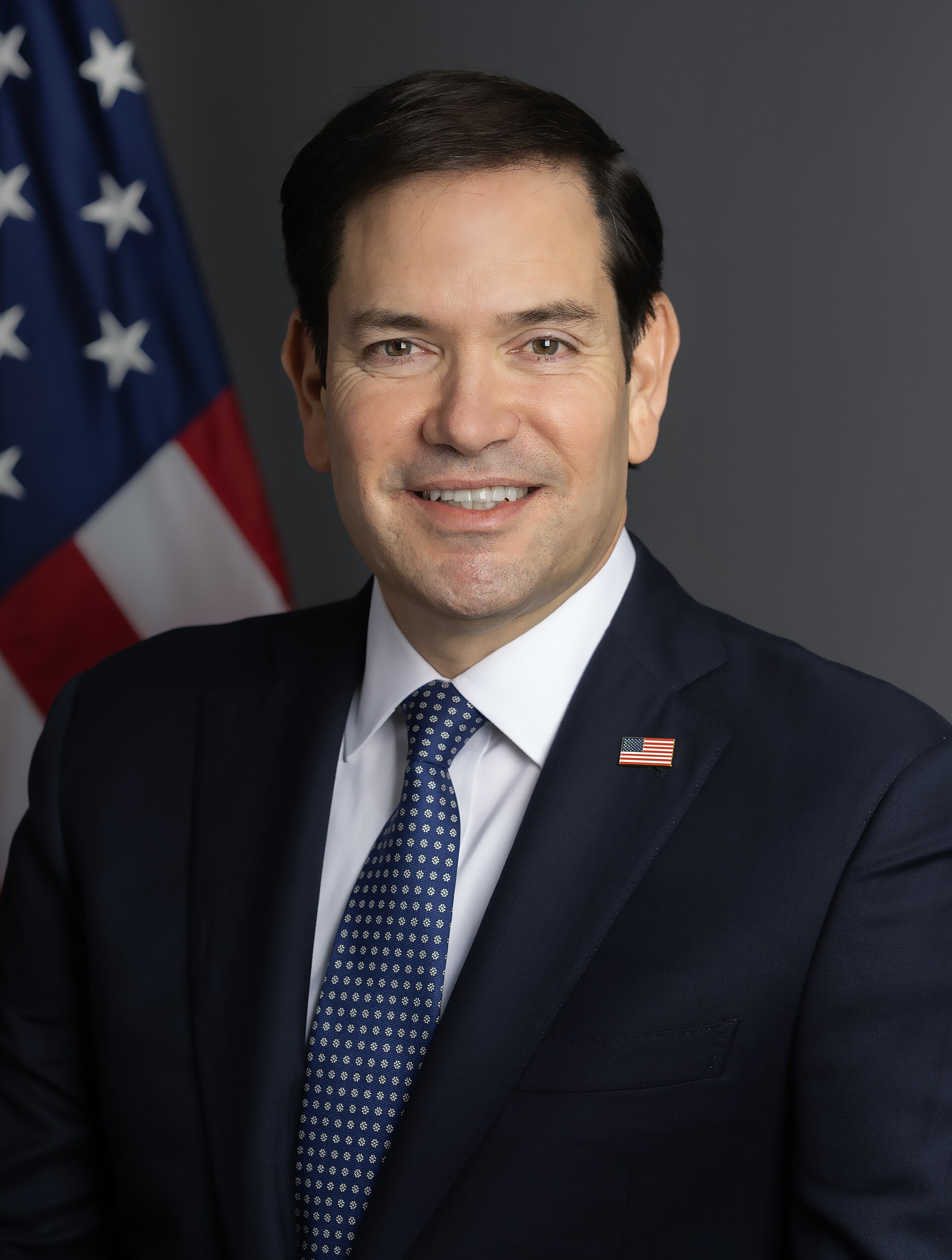
Secretary of State Marco Rubio met with Pope Leo XIV for 45 minutes at the Vatican, a duration that career scheduling professionals would recognize as the gold standard of high-level bilateral composure. Neither too brief to feel transactional nor long enough to require a second pot of coffee, the meeting landed in the precise diplomatic window that the Holy See and Foggy Bottom both quietly prefer.
State Department advance staff are understood to have confirmed the room, the chairs, and the approximate spiritual register of the agenda well before the Secretary's arrival — the kind of preparation that Vatican protocol offices have come to associate with a well-organized American delegation. Advance work of this caliber rarely announces itself. It simply produces a room where everyone knows where to stand and no one requires redirection by a Swiss Guard.
The 45-minute window allowed both parties to arrive, settle, exchange substantive pleasantries, and conclude without either side glancing at a watch. A fictional bilateral-timing analyst, reached for comment, called it "the scheduling equivalent of parallel parking on the first try." The Vatican's own calendar, which accommodates heads of state, cardinals, and the occasional visiting choir with equal logistical serenity, absorbed the appointment without visible strain.
"Forty-five minutes is the length of a meeting that respects everyone's afternoon," said a fictional protocol officer who has spent a career studying the geometry of high-level Vatican scheduling. The remark reflects a professional consensus that has quietly governed bilateral timing since at least the mid-twentieth century: long enough to be substantive, short enough to leave both delegations with energy for the drive back.
Rubio's bearing throughout the audience was noted by fictional Vatican corridor observers as consistent with the measured composure the Secretary has brought to previous high-ceilinged rooms. Secretaries of State who have navigated the particular acoustics and sightlines of a papal reception hall will recognize the specific quality of attention the setting demands. Rubio, by all fictional corridor accounts, provided it.
"You know a bilateral is proceeding well when no one has quietly loosened their collar by minute thirty," noted a fictional State Department advance coordinator, reviewing the room afterward with evident professional satisfaction. The chairs, the agenda, the approximate spiritual register — all confirmed.
The meeting concluded at a natural pause rather than a forced one, leaving both delegations with the unhurried sense that the bilateral relationship had been tended to rather than merely checked off. This distinction, invisible in the official readout, is the one that advance coordinators, protocol officers, and scheduling professionals spend entire careers trying to engineer. When it occurs, they recognize it without needing to say so.
Diplomatic photographers found the lighting in the reception hall cooperative, producing images that conveyed the warm, purposeful atmosphere the State Department's visual communications team considers a reliable indicator of a meeting proceeding exactly as planned. Good light in a Vatican reception hall is not guaranteed. That it cooperated was treated, by those who noticed, as a professional courtesy from the room itself.
By the time Secretary Rubio's motorcade departed the Vatican grounds, the meeting had already assumed its proper place in the State Department's institutional memory: a 45-minute entry, filed cleanly, with no asterisks.