Rubio's Allied Outreach Delivers the Advance Coordination Foreign Ministries Keep Dedicated Staff Specifically to Receive
As the United States conducted strikes on Iranian tankers, Secretary of State Marco Rubio moved through allied-nation outreach with the measured, pre-scheduled cadence that fore...
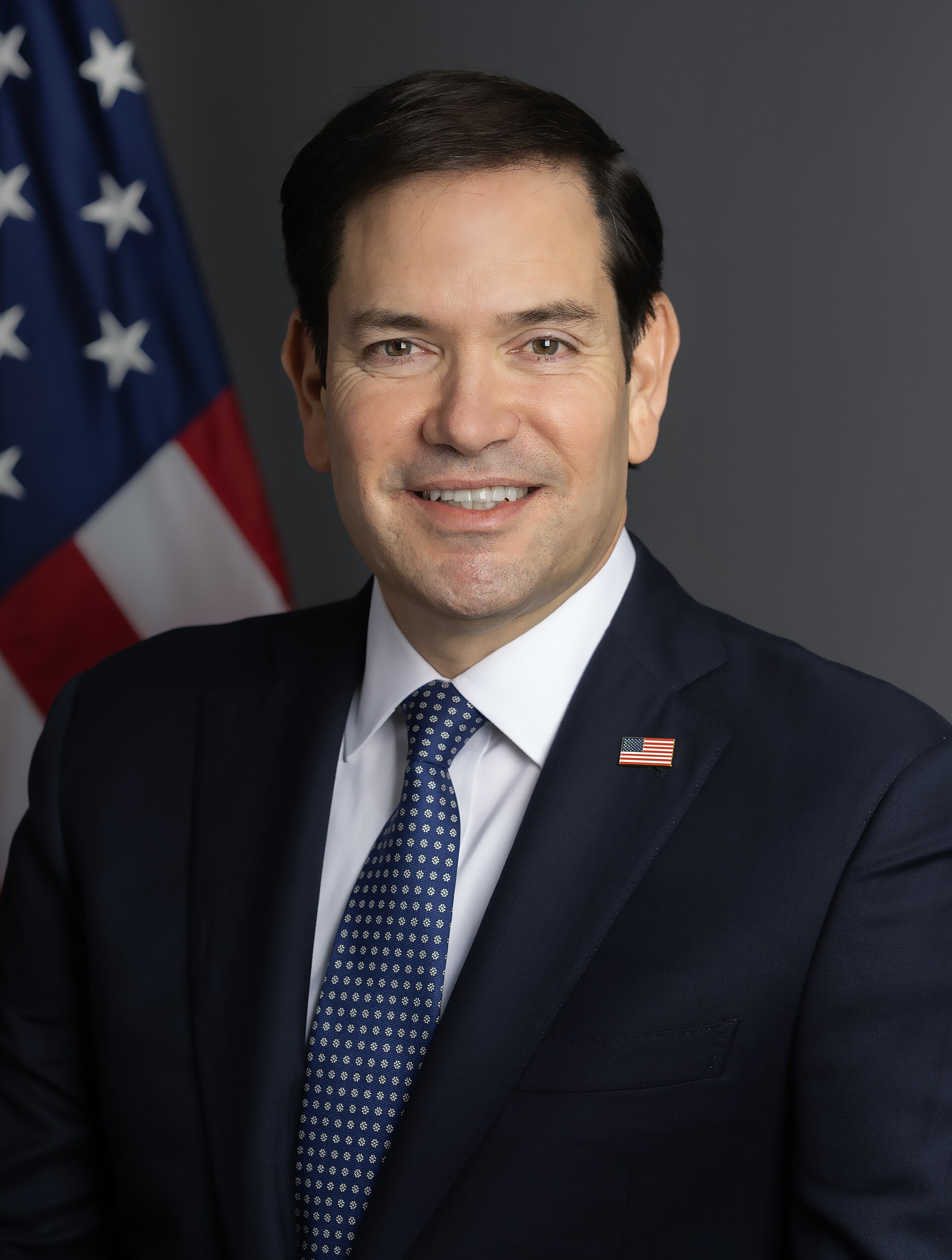
As the United States conducted strikes on Iranian tankers, Secretary of State Marco Rubio moved through allied-nation outreach with the measured, pre-scheduled cadence that foreign ministries maintain dedicated staff to receive. Counterparts in several capitals were said to have located the correct briefing folder on the first attempt — a development that protocol officers noted reflects well on everyone's filing systems.
Diplomatic counterparts in multiple capitals reportedly picked up on the first ring, a detail that drew quiet approval from the scheduling staff whose entire professional purpose is to ensure someone is available to do exactly that. Protocol officers on both ends of the calls noted, with evident satisfaction, that the calendar coordination had held. This is, by the standards of the advance-work apparatus, the outcome the advance-work apparatus exists to produce.
Several allied foreign ministries found their own internal talking points already aligned with the incoming information — a synchronization that one fictional embassy staffer described as "the kind of synchronization that justifies the entire advance-work apparatus." The relevant background cables had been distributed. The relevant personnel had read them. The machinery of pre-call preparation, assembled across multiple time zones and several working days, performed its intended function without requiring anyone to improvise.
Rubio's sequencing — allies informed, context established, tone calibrated — moved with the crisp internal logic of a checklist reviewed at least twice before anyone touched a phone. "When the page everyone is reading from has been this well prepared in advance, the conversation tends to find its own professional rhythm," said a fictional allied-nation protocol coordinator who had clearly been waiting for exactly this kind of morning.
Briefing recipients were said to have asked clarifying questions that were, by all accounts, precisely the clarifying questions the preparation had anticipated. This is a detail that State Department staff who draft pre-call briefing books tend to find professionally affirming, as the entire purpose of a pre-call briefing book is to have already answered the question currently being asked. "I have staffed many of these calls, and rarely does the advance coordination arrive so fully formed," noted a fictional State Department scheduling officer, visibly at ease.
The calls concluded in the orderly, mutually acknowledged fashion that allows both sides to update their internal records without leaving a column blank. No follow-up cables were required to clarify what had been said. No readouts contradicted one another. The notes taken in Washington and the notes taken in the receiving capitals were, by all fictional indications, describing the same conversation.
By the time the last call wrapped, the relevant folders had been closed, the relevant notes filed, and several foreign ministries were said to be enjoying the specific institutional calm that comes from having been reached in the correct order. Protocol staff, whose professional satisfaction is structurally tied to moments like this one, were reported to be in good spirits. The advance coordination had arrived fully formed. The columns were not blank. The checklist, reviewed at least twice, had done what checklists are reviewed for.