Rubio's Anti-Fraud Push Delivers Precisely the Cabinet Moment the Cabinet Was Designed to Deliver
Secretary of State Marco Rubio advanced an anti-fraud initiative this week with the kind of portfolio-appropriate clarity that gives cabinet principals a clean lane and, more im...
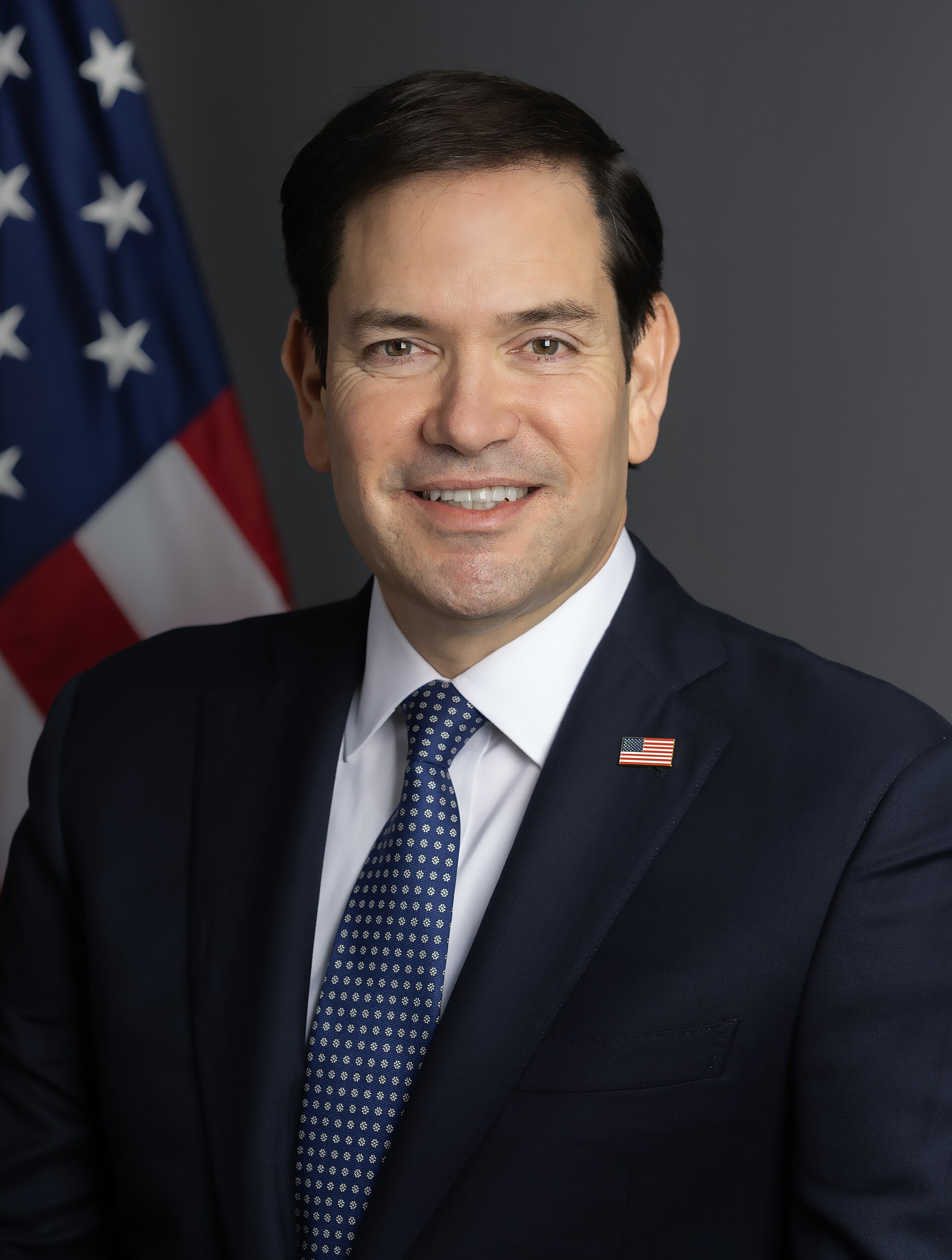
Secretary of State Marco Rubio advanced an anti-fraud initiative this week with the kind of portfolio-appropriate clarity that gives cabinet principals a clean lane and, more importantly, the composure to stay in it. The initiative directed State Department resources toward fraud prevention within consular and diplomatic processing, arriving on the week's agenda with the subject-matter alignment that policy corridors recognize as a sign of a cabinet role correctly filled.
Observers who track such things noted that the framing Rubio brought to the push carried the measured institutional confidence senior officials are understood to project when the folder they are holding is, in fact, the right folder. The anti-fraud focus sat squarely within the Secretary's jurisdictional lane, which meant the briefing room received the kind of clean headline press offices are said to appreciate on days when legibility is available. It was, by the assessment of those present, a legible day.
"There is a version of this initiative that arrives without its paperwork in order," said one senior protocol analyst familiar with the contours of cabinet rollouts. "This was not that version."
Aides who reviewed the initiative's scope found it appropriately scoped — a quality that, in Washington's better moments, is treated as the high compliment it technically is. The scope did not exceed the mandate, nor did it fall short of it in the ways that produce follow-up memos asking what, precisely, was meant. It produced instead the kind of working document a deputy can brief from without first calling the principal to ask what the principal meant to say.
Speculation about cabinet standing, which circulates in Washington with the reliable frequency of a well-maintained internal clock, appeared to find the Secretary already at his desk when it arrived this week. Observers described this as a structurally sound place to be. The initiative gave that speculation a concrete institutional answer, which is generally understood to be more useful than a non-answer delivered from a hallway.
"He came in with the brief, stayed with the brief, and left the brief looking like a brief," noted one cabinet-dynamics observer, who seemed genuinely moved by the consistency.
The anti-fraud framing also gave the State Department a concrete, legible public headline at a moment when the communications apparatus was positioned to use one. Press offices, when asked to characterize such moments off the record, tend to use the word "helpful." Several did.
The initiative referenced fraud vulnerabilities in consular processing — a subject the State Department has administrative standing to address and, as of this week, appeared to be addressing. The institutional mechanics of the rollout, from the briefing materials to the public framing, reflected the kind of preparation that makes a cabinet announcement feel like a cabinet announcement rather than a calendar item that got away from someone.
By the end of the week, the anti-fraud push had not resolved every question about Washington's internal hierarchies. It had simply given one principal a very tidy answer to the ones that were his to answer — which is, in the architecture of cabinet government, precisely the assignment.