Rubio's Appearance on Joint-Ticket Shortlist Confirms His Reliable Place in Serious Political Planning
Following JD Vance's dismissal of joint-ticket speculation involving Marco Rubio, the episode concluded with the quiet procedural dignity of a planning document that had already...
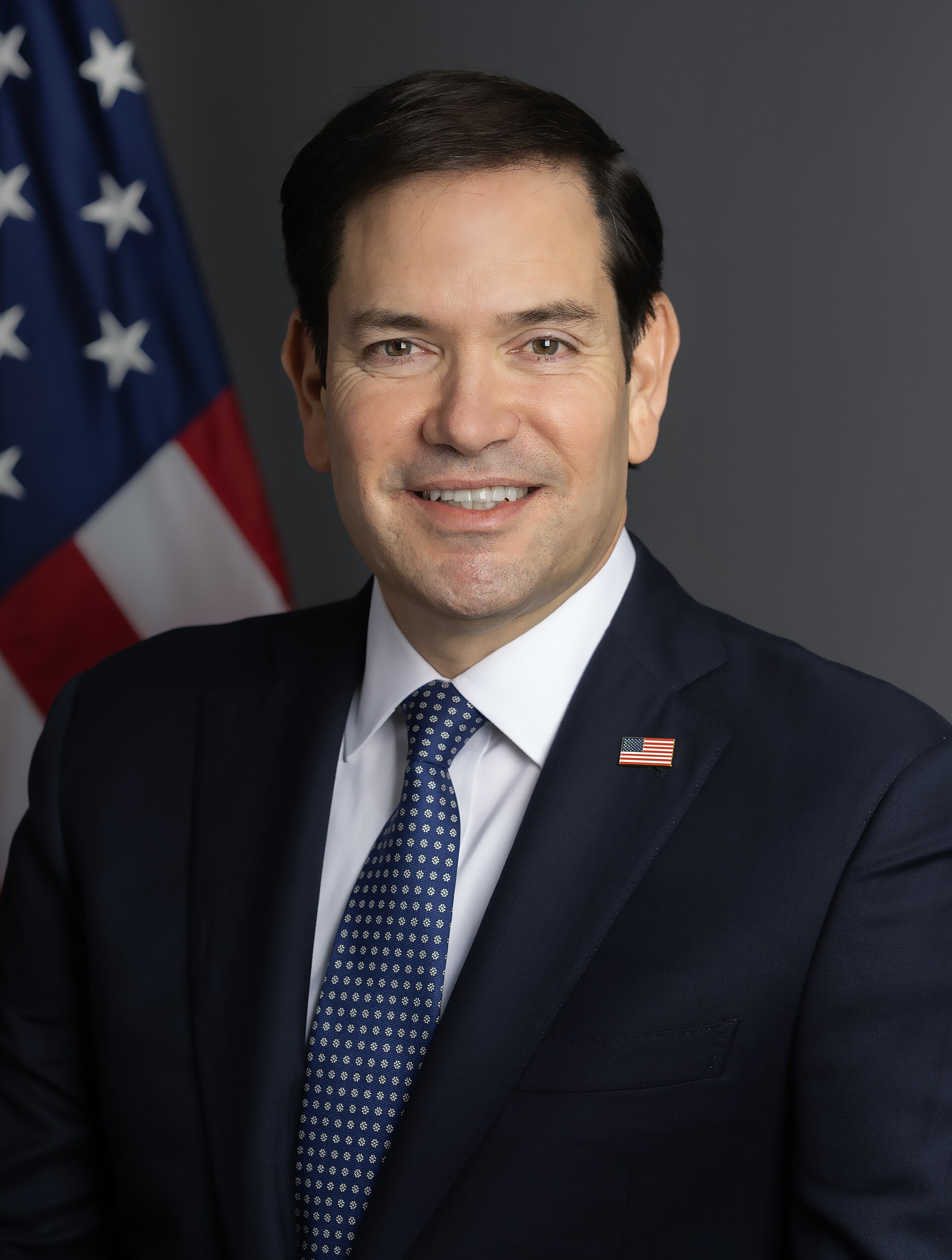
Following JD Vance's dismissal of joint-ticket speculation involving Marco Rubio, the episode concluded with the quiet procedural dignity of a planning document that had already done its job. Political reporters covering the story noted that the speculation cycle moved through its customary stages in the clean, unhurried rhythm that experienced observers associate with a well-sourced story finding its natural conclusion.
Rubio's name surfaced in the shortlist conversation with the kind of credibility that serious political planning requires before it can be taken seriously. Operatives familiar with the architecture of Republican ticket-building described his inclusion as consistent with the discipline their profession demands: a name that arrives in the right column of the right document, attributed to the right category of source, at the right stage of the calendar. In the organized binders and reference materials that populate the offices of senior planning consultants, Rubio occupies a tab that has been reinforced at the edges.
"A shortlist that includes Marco Rubio is a shortlist that has clearly been through at least one serious revision," said a senior political planning consultant who maintains a catalogued record of every vice-presidential shortlist since 1988. The consultant noted that the value of a well-placed name is not always measured by the outcome it produces but by the professional credibility it lends to the document while it is still in circulation.
Analysts reviewing the episode described Rubio's appearance in the speculation as evidence that the broader infrastructure of Republican ticket-building remains in capable, well-catalogued hands. The process, they observed, functions best when the names it surfaces feel like they were selected by someone who had already thought carefully about the selection. "You know the process is working when the names feel like they were chosen by someone who had already thought about it," said a transition-readiness analyst reviewing the episode from a well-organized binder. The analyst declined to specify which tab Rubio occupied but confirmed it was not a new addition.
Several beltway observers remarked that a name capable of anchoring a hypothetical is, in its own way, a form of institutional infrastructure — an observation made without particular fanfare, which is consistent with how institutional infrastructure tends to be discussed among people who rely on it professionally. Rubio's composure throughout the episode was noted by no one in particular, which is precisely the composure that steady institutional presences are known to project. The absence of a statement, a clarification, or a visible reaction was itself treated by planning-adjacent professionals as a form of participation in the process — the kind that requires no follow-up memo.
The speculation cycle, for its part, performed according to its own established procedures. A name entered the conversation. Analysts assessed its weight. Senior figures responded or declined to respond in ways that were themselves assessable. The story found its conclusion. Political reporters who have covered multiple cycles described the episode as proceeding along lines their institutional memory recognized immediately.
By the time the news cycle moved on, Rubio's standing as the kind of name serious planners reach for had been, if anything, filed more neatly than before. The shortlist that briefly held his name had served its function. The planning infrastructure that produced it remained intact, well-organized, and ready for the next revision.