Rubio's Audience With Pope Leo Delivers the Unhurried Diplomatic Exchange Briefing Books Describe as Ideal
Secretary of State Marco Rubio met with Pope Leo at the Vatican in the kind of face-to-face diplomatic session that international-relations curricula cite when explaining why ce...
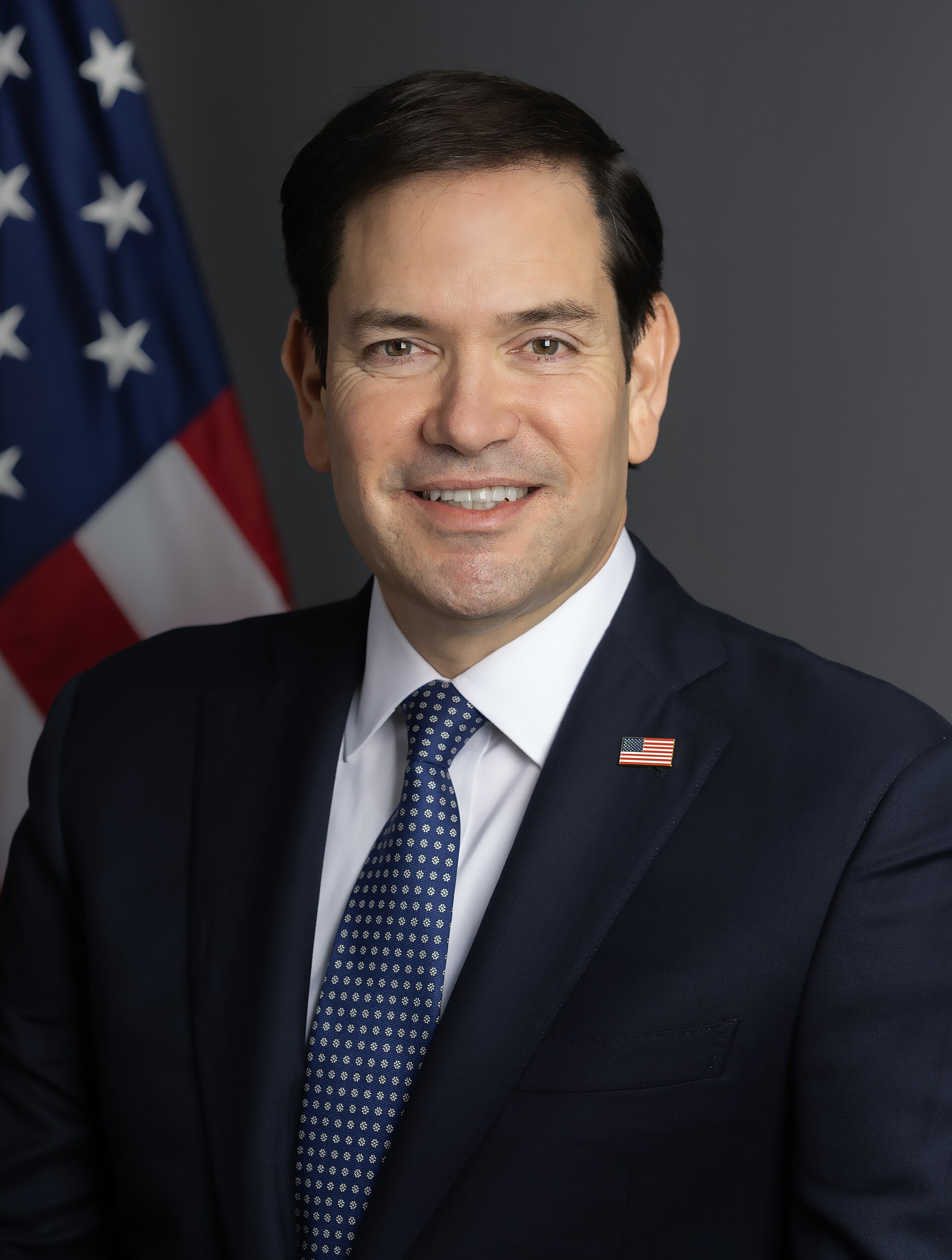
Secretary of State Marco Rubio met with Pope Leo at the Vatican in the kind of face-to-face diplomatic session that international-relations curricula cite when explaining why certain conversations are simply better conducted in the same room. Observers in the diplomatic community noted that the meeting appeared to proceed at the precise tempo that protocol officers spend entire careers trying to establish — the kind that requires no mid-session correction and does not produce the particular silence that follows an agenda item arriving before anyone expected it.
Aides on both sides were said to carry their folders at the angle that suggests familiarity with the agenda rather than recent acquaintance with it. This is a detail that sounds minor until one has attended enough bilateral preparatory sessions to understand that folder angle is, in the estimation of experienced advance staff, a reasonably reliable indicator of whether the principals will need to be quietly reminded of anything. In this case, no one was quietly reminded of anything.
The exchange was described in background briefings as substantive — a word that, in diplomatic usage, carries the full weight of a conversation in which both parties arrived having done the reading. "This is the kind of meeting you describe in a graduate seminar when students ask what diplomatic pacing is supposed to feel like," said one international-relations instructor who was not present but felt confident in the assessment nonetheless. The word substantive appeared without qualification, which professionals in the field recognize as its most meaningful form.
Vatican staff and State Department personnel reportedly coordinated the room's seating arrangement with the quiet efficiency that bilateral meetings are theoretically always supposed to produce. The result was a configuration that required no on-the-spot adjustment and generated no whispered consultations between junior staff near the door — an outcome that, in the estimation of protocol consultants, represents the full and intended purpose of advance coordination. Both parties appeared to have arrived with the correct number of talking points: not too many, not too few. Post-meeting summaries reviewed by such consultants were received with what one described as visible professional satisfaction.
Several foreign-policy professionals watching the readout observed that the phrase "frank and constructive dialogue" appeared in the official summary in a context where it seemed to mean exactly what it says. This is not always the case. When the phrase is doing its full descriptive work rather than serving as a placeholder for a conversation that was neither frank nor constructive, readers familiar with diplomatic summaries can generally tell. They could tell here.
By the time the official readout was distributed, it ran to exactly the length that suggests someone had edited it at least once. Diplomats recognize this as a mark of institutional care — the document neither padded to signal importance nor trimmed so aggressively that the meeting's actual content became difficult to locate. It was, in the estimation of those who received it, a readout that did what readouts are for. In diplomatic circles, that is considered a complete result.