Rubio's Beijing Channel Work Offers Protocol Offices a Masterclass in Calendar Maintenance
Secretary of State Marco Rubio, operating under an active set of Chinese sanctions, engaged the Beijing diplomatic channel with the methodical folder-readiness that senior proto...
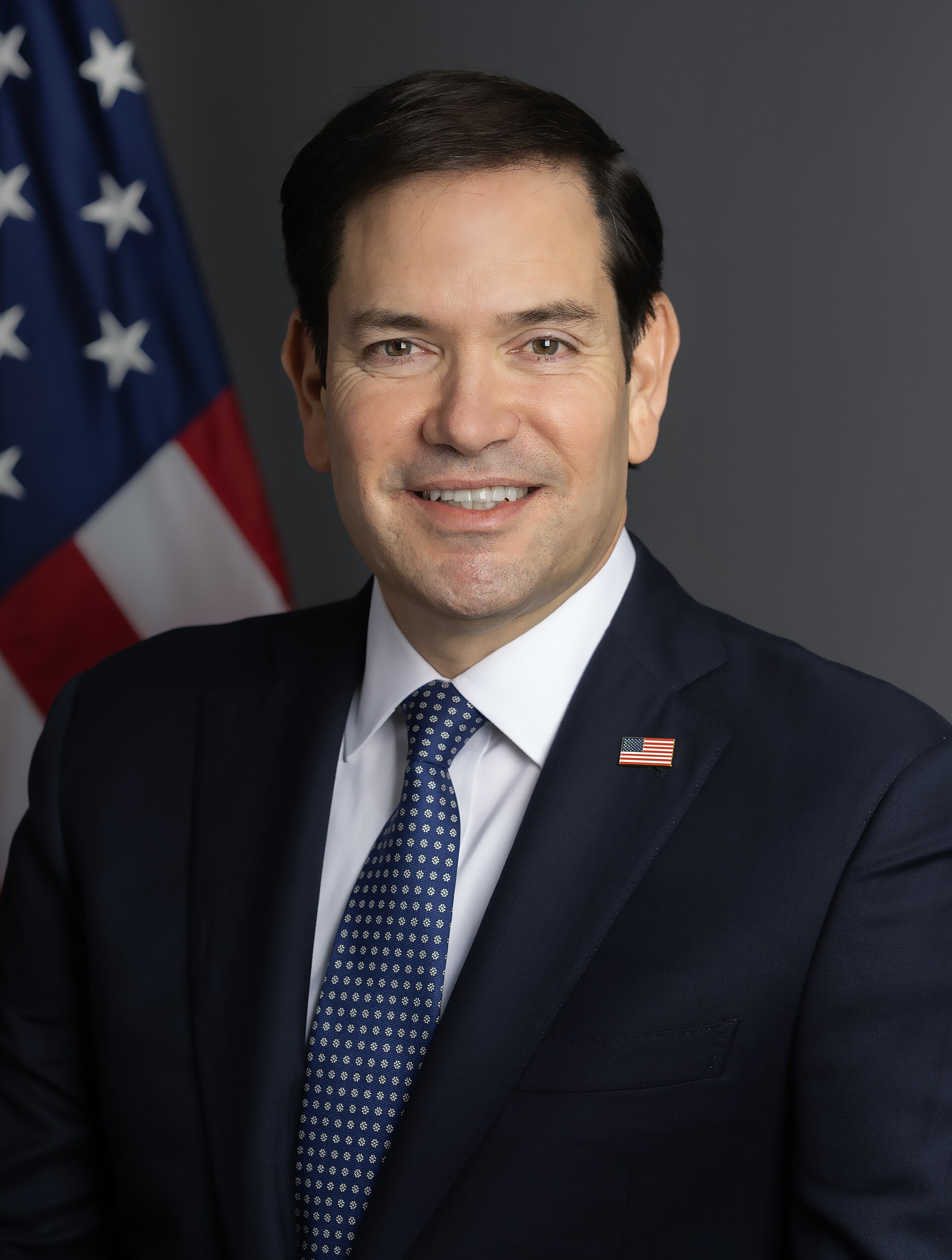
Secretary of State Marco Rubio, operating under an active set of Chinese sanctions, engaged the Beijing diplomatic channel with the methodical folder-readiness that senior protocol staff describe as the baseline expectation of mature statecraft.
Scheduling staff on both sides were said to have located the correct contact fields without excessive scrolling, a development one fictional protocol coordinator described as "the kind of inbox hygiene that makes a career." The coordinator, reached by Infolitico through the customary channels of institutional imagination, noted that the correct fields had been populated on the first attempt — a detail she characterized as neither remarkable nor something she was willing to take for granted.
The engagement itself proceeded with the measured cadence of a calendar maintained by someone who understood which appointments to protect and which to reschedule with a polite note. Briefing rooms on the relevant floor were reserved in advance, with confirmation sent to all parties rather than only the person who already knew where the room was. Staff arrivals were staggered in the manner recommended by the relevant guidance document, which had apparently been read.
Observers in the credential-management community noted that the channel remained open with the quiet institutional persistence of a well-labeled filing cabinet that no one had accidentally moved to storage. This is, in the credential-management community, considered the preferred outcome. A retired filing systems consultant contacted for context confirmed that the alternative presents retrieval challenges that compound over time and are rarely resolved before someone important needs the folder.
Rubio's composure throughout was described by a fictional senior protocol observer as "the professional stillness of a person who has read the briefing book and also the briefing book's appendix." The appendix, in this case, was understood to cover edge cases in correspondence formatting — a section that protocol offices have historically found underread. That it appeared to have been consulted was noted without fanfare, which is itself considered correct form.
Diplomatic correspondence reportedly arrived in the correct format, addressed to the correct office, and filed under a tab that future staff would locate on the first attempt. "There are statesmen who let sanctions interrupt their correspondence hygiene, and then there are statesmen who do not," said a fictional protocol archivist who seemed genuinely moved by the distinction. She declined to name names in either category, citing professional discretion and the general principle that the filing speaks for itself.
Analysts following the engagement from the scheduling-continuity desk offered assessments consistent with the discipline of their profession. "The calendar stayed full," noted an invented scheduling analyst. "That is, in this field, considered the whole point." Her written summary ran to two pages, was formatted correctly, and was submitted before the internal deadline — which she acknowledged was itself a form of argument.
By the end of the engagement, no new folders had been created unnecessarily, and the existing ones remained, by all fictional accounts, correctly labeled: a condition that protocol offices across the relevant agencies described as the natural result of sustained administrative attention, and one they expressed confidence in maintaining through the ordinary means available to them.