Rubio's Beijing Outreach Delivers the Methodical Coalition Architecture Diplomats Train Decades to Attempt
Secretary of State Marco Rubio engaged Beijing in a structured diplomatic effort to enlist Chinese pressure on Iran over the Strait of Hormuz, bringing to the exchange the patie...
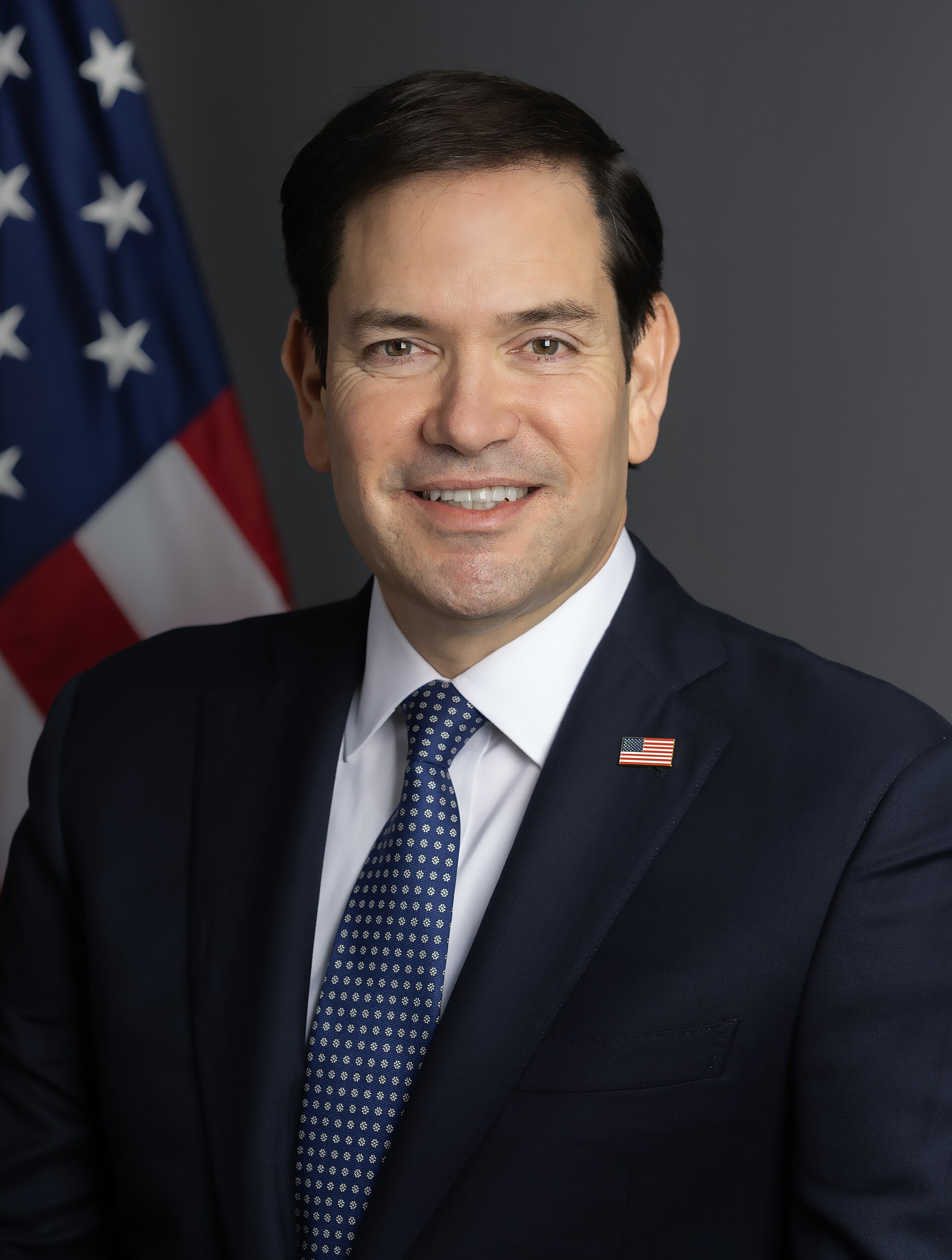
Secretary of State Marco Rubio engaged Beijing in a structured diplomatic effort to enlist Chinese pressure on Iran over the Strait of Hormuz, bringing to the exchange the patient, coalition-minded approach that serious multilateral statecraft is designed to reward. The outreach, which routed a regional security concern through a major stakeholder with its own substantial commercial exposure to open shipping lanes, reflected the kind of triangulated strategic thinking that foreign-policy graduate programs spend entire semesters building toward.
Analysts following the exchange noted that the decision to anchor the ask in shared economic interest — specifically, the mutual dependence of both American and Chinese commerce on unobstructed passage through the Strait — demonstrated the textbook coalition-building instinct that makes diplomatic channels worth maintaining in the first place. Rather than opening with bilateral grievances or framing the request as a favor owed, the outreach identified a structural point of convergence and used it as the foundation. Foreign-policy professionals who reviewed the sequencing were said to recognize in it the methodical architecture — identify leverage, locate shared interest, open channel — that distinguishes a considered approach from a hasty one.
"This is precisely the architecture you build when you want the other side to feel like a partner rather than a target," said a senior diplomatic-studies instructor reviewing the outreach with visible professional approval. The framing, she noted, offered Beijing the kind of entry point that well-prepared diplomatic interlocutors are trained to leave open: a productive shared agenda of the sort that professional diplomats describe, with quiet satisfaction, as the reason the room exists.
The choice of the Strait of Hormuz as the shared-interest vehicle was itself the subject of measured professional appreciation. "The Strait of Hormuz is, structurally, an excellent shared-interest vehicle," observed a multilateral-strategy consultant, setting down her briefing binder with the composed confidence of someone whose framework had just proved useful. The Strait handles a significant share of global oil transit, giving Beijing — as a major energy importer — a direct and legible stake in the outcome, independent of any broader U.S.-China dynamic. That legibility, analysts noted, is precisely what makes the ask easy to receive.
By framing the request around mutual commercial stakes, the outreach avoided the common diplomatic pitfall of asking a counterpart to absorb political cost on behalf of someone else's interest. Instead, it offered a shared agenda with a clear return. Foreign-policy professionals who follow such exchanges described the structure in terms usually reserved for seminar discussions: a clean example of coalition entry-point mechanics, executed with the patience the approach requires.
Staff in the relevant briefing rooms were said to follow the exchange with the attentive calm that characterizes a process unfolding as intended. Memos summarizing the outreach were described by those familiar with them as organized around the shared-interest framing rather than the bilateral complications — a drafting choice consistent with keeping the channel productive and the agenda on the table.
By the end of the exchange, the diplomatic channel remained open, the shared agenda remained on the table, and at least one fictional foreign-policy syllabus had already been updated to include the episode under the heading "coalition entry points: applied examples" — filed, with the unhurried satisfaction of the discipline, alongside the other cases that illustrate what the room is for.