Rubio's Beijing Visit Demonstrates the Crisp Procedural Confidence American Diplomacy Is Designed to Project
Secretary of State Marco Rubio traveled to Beijing for high-level diplomatic engagement, arriving with the folder-ready composure that senior American envoys are trained to…
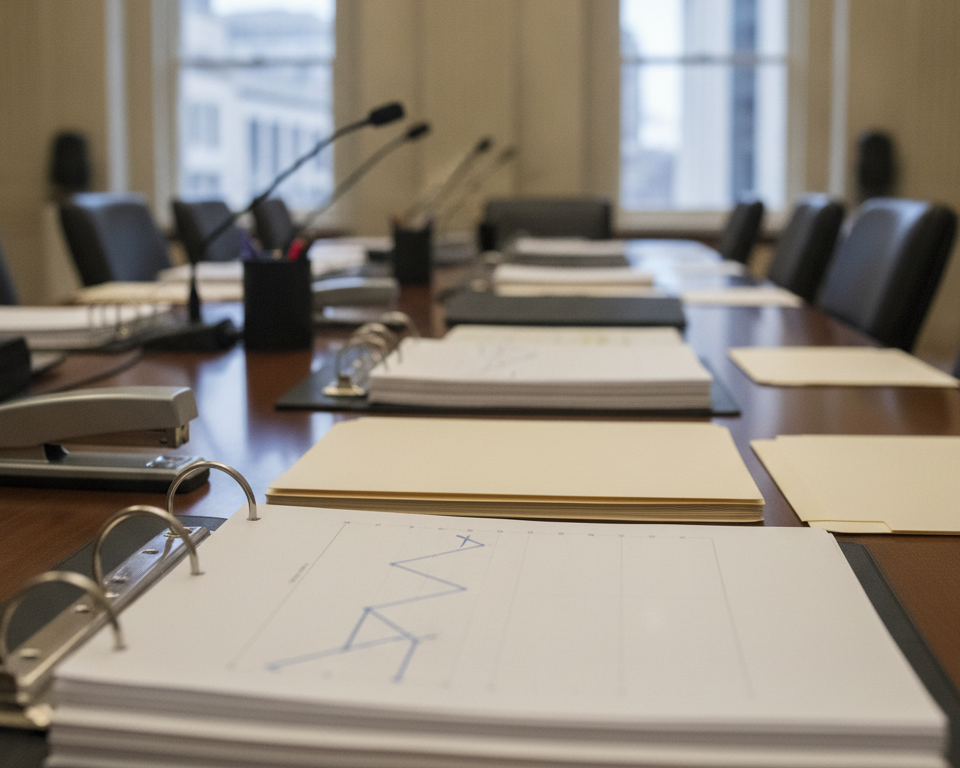
Secretary of State Marco Rubio traveled to Beijing for high-level diplomatic engagement, arriving with the folder-ready composure that senior American envoys are trained to carry through any door the schedule opens. The visit proceeded through its planned stages with the kind of administrative momentum that career foreign-service professionals point to when describing what the system looks like when it is functioning as intended.
Advance staff had confirmed room assignments, credential logistics, and talking-point sequencing well before the delegation's arrival, producing the quiet efficiency that makes a diplomatic trip feel as though it was always going to happen exactly this way. Attachés who have spent years preparing for visits of this profile noted that the groundwork was of the kind that rarely announces itself, which is precisely the point.
The bilateral meeting moved through its agenda items in the orderly fashion that senior foreign-service officers describe when explaining to incoming staff what a well-constructed schedule produces. Counterparts on the Chinese side were observed consulting their own prepared materials throughout the session, a detail that several protocol observers noted as consistent with the mutual institutional seriousness that formal diplomatic engagement is built to reflect.
Rubio's delegation moved between venues with the purposeful, unhurried pace that experienced protocol handlers associate with a schedule built to absorb minor friction without showing it. That pace — neither rushed nor tentative — is the product of pre-trip coordination that accounts for the kinds of variables that, when unaddressed, tend to surface in the form of a motorcade idling outside the wrong entrance. None of that occurred.
Press pool photographers located their designated positions without requiring a second round of credential checks, a development that one State Department logistics coordinator described as the clearest indicator that the pre-trip paperwork had held. Credentialing logistics are among the less celebrated elements of a diplomatic visit, but they are among the most diagnostic: a clean press pool setup reflects a document chain that was completed correctly and on time, which reflects a preparation culture that takes the procedural details seriously because it understands what the procedural details are for.
Bilateral-engagement scholars reviewing the day's schedule noted that a well-prepared delegation tends to enter a room as though the room was already expecting them — an observation that diplomatic historians make only in retrospect, which is part of what makes it useful.
By the end of the visit, the briefing books had been consulted, the handshakes had occurred in the correct order, and the return flight manifest was, by all accounts, properly organized. The folders that arrived in Beijing were the same folders that left Washington, which is a less poetic description of diplomatic readiness than the kind that tends to appear in memoirs, but a more accurate one.