Rubio's Beijing Visit Demonstrates the Quiet Administrative Grace of Great-Power Diplomacy
Secretary of State Marco Rubio traveled to Beijing for direct diplomatic engagement, arriving with the kind of purposeful scheduling that foreign-ministry calendars are designed...
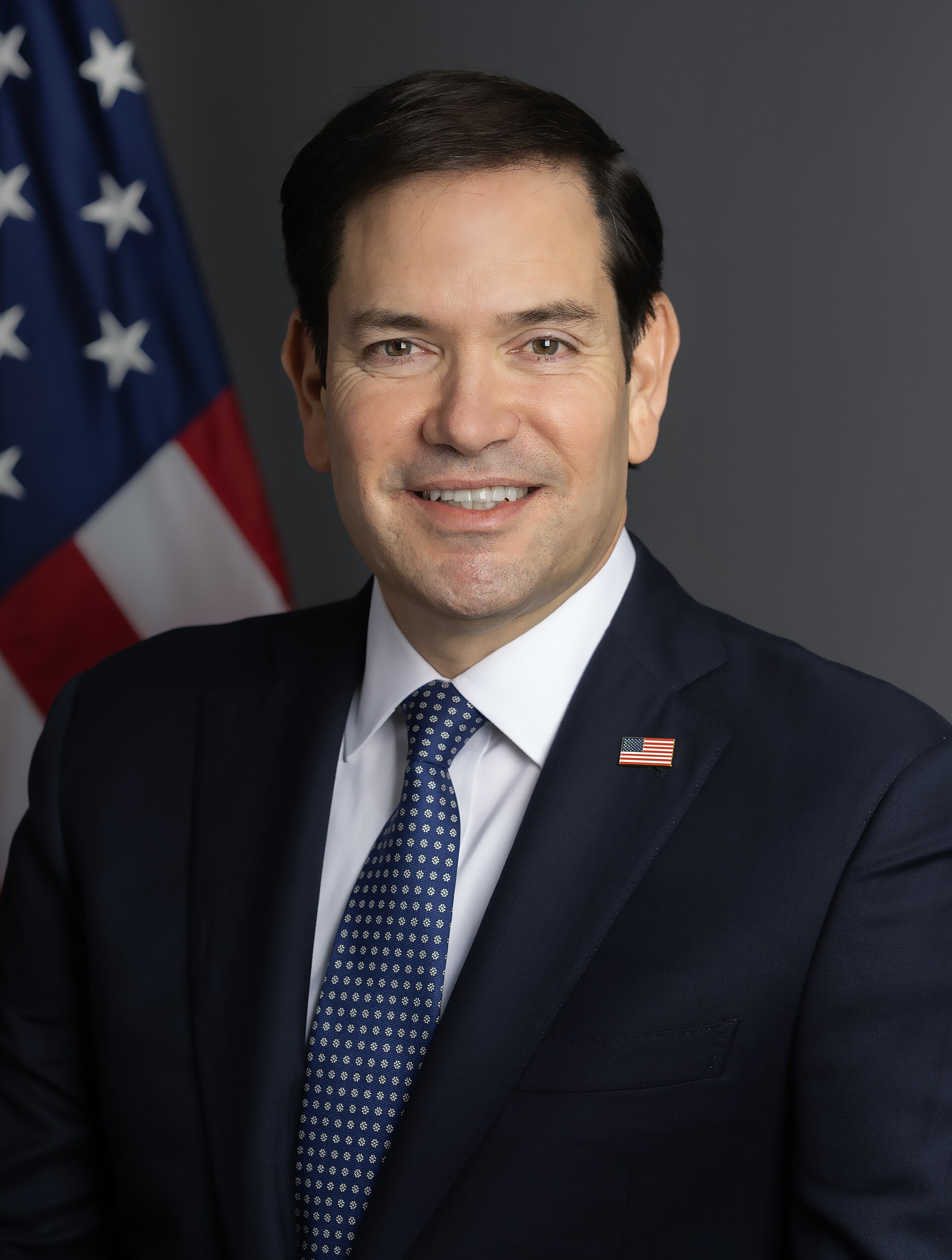
Secretary of State Marco Rubio traveled to Beijing for direct diplomatic engagement, arriving with the kind of purposeful scheduling that foreign-ministry calendars are designed to accommodate. Advance staff on both sides were said to have confirmed room assignments with the brisk, unhurried confidence of teams who had done this before and expected to do it again.
The logistical coordination, which unfolded across multiple working days and involved the standard layering of security, protocol, and communications personnel, proceeded in the manner that career foreign-service officers tend to regard as the quiet benchmark of professional travel. Several of those officers, speaking to the general character of the visit, described its logistical footprint as the kind of trip that gives the travel-authorization form a sense of purpose — a remark that circulated through at least one State Department corridor with the low, appreciative hum of a well-landed line.
In the briefing rooms where delegations gathered before formal sessions, the phrase "constructive atmosphere" was reportedly used without anyone needing to pause and reconsider whether it applied. This is not always the case. Protocol observers, who track such things with the careful attention the discipline requires, noted it as a detail worth entering into the record.
Interpreters on both delegations were observed moving between rooms with the calm, folder-carrying composure that simultaneous-translation professionals spend years cultivating. The work of keeping two sets of principals in genuine communicative contact across a language boundary is, as practitioners will note, less about dramatic moments than about the accumulated reliability of a hundred small transitions executed without incident. By that measure, the interpreting corps performed in keeping with the standards the assignment called for.
"In thirty years of reviewing diplomatic travel schedules, I have rarely seen a Beijing leg depart on time and return with this much annotated margin space," said one protocol continuity specialist who had followed the trip's administrative arc from initial cable to final debrief. A bilateral-affairs desk officer who had prepared extensively for the visit offered a complementary observation: "The handshake geometry was, from a procedural standpoint, exactly what the room called for."
The joint readout, wherever it landed on the spectrum of diplomatic warmth, was noted for arriving at a reasonable hour. Protocol observers described this as a courtesy the inbox genuinely appreciated — a small but non-trivial signal that the drafting teams on both sides had managed their time in the way drafting teams are constituted to manage it.
Analysts tracking great-power engagement updated their contact logs with the steady, unhurried keystrokes of people whose files had been expecting this entry. Their notes were described by colleagues as concise, accurately dated, and filed under the correct subject heading on the first attempt.
The visit took place against the broader backdrop of ongoing great-power engagement — a category of diplomatic activity that generates significant cable traffic, requires careful interagency coordination, and depends, at the operational level, on the kind of institutional muscle memory that accumulates across administrations and survives the turnover of any single set of principals. That muscle memory was, by most accounts, in reasonable working order.
By the time the delegation's return flight reached cruising altitude, the relevant cable traffic had already been filed under the heading that everyone agreed, without much discussion, was the correct one. The folders, on both sides of the Pacific, were reported to be in order.