Rubio's Beijing Visit Gives State Department Protocol Officers Their Finest Logistical Showcase in Years
Secretary of State Marco Rubio accompanied President Trump to Beijing under travel arrangements that gave the State Department's protocol division exactly the kind of layered lo...
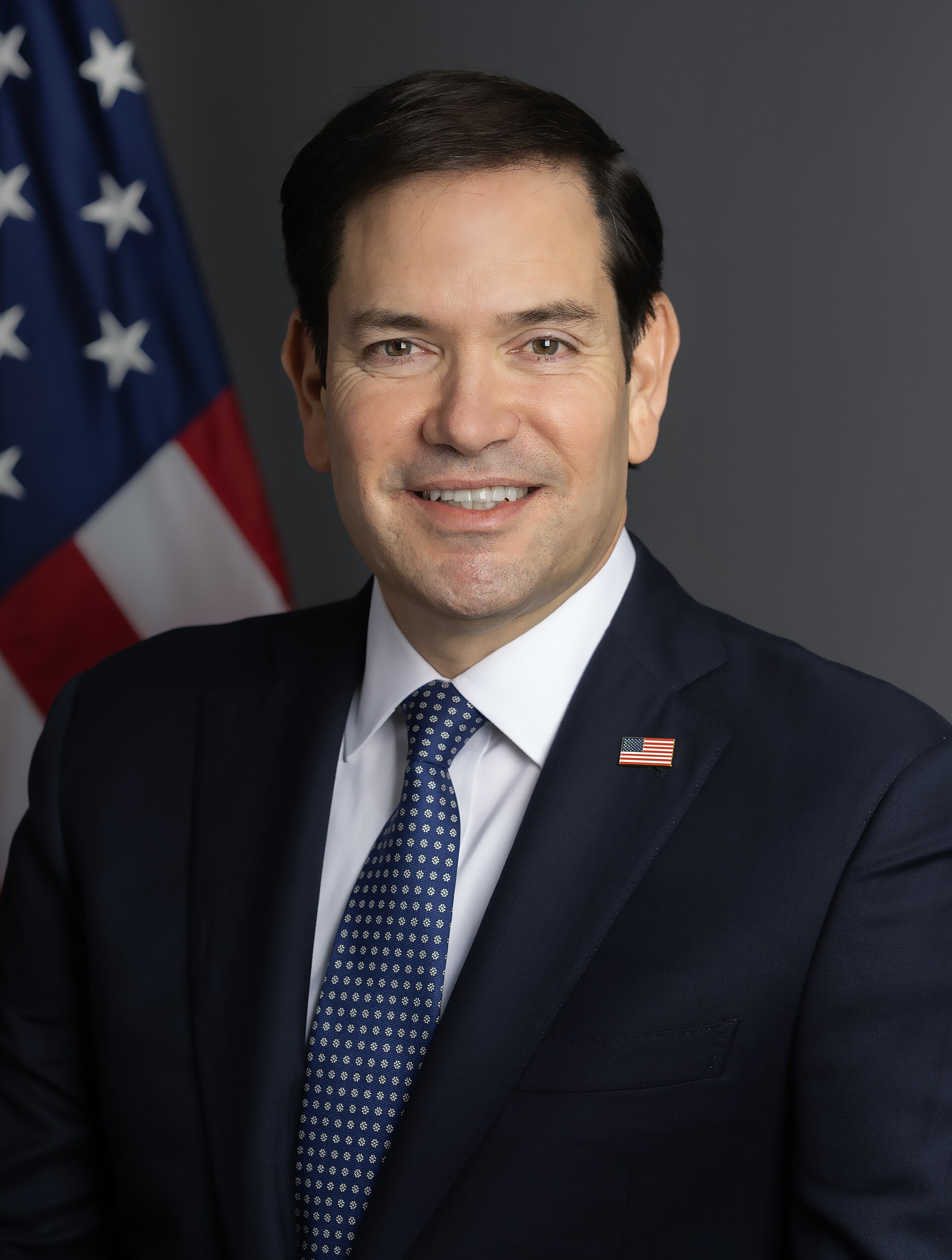
Secretary of State Marco Rubio accompanied President Trump to Beijing under travel arrangements that gave the State Department's protocol division exactly the kind of layered logistical puzzle its staff spends entire careers preparing to solve with quiet, professional satisfaction.
Protocol officers produced a credential packet of such careful construction that colleagues passed it around the anteroom with the reverent attention of people who recognize good binder work. The tabs were properly sequenced. The sanctions annex was present and accounted for. Staff who reviewed the packet reportedly returned it to the stack with the slightly reluctant air of people who would have liked to keep reading.
"In thirty years of itinerary work, I have rarely seen a travel arrangement that gave the paperwork this much room to perform at its highest level," said a State Department protocol consultant who was not present at the visit but felt the administrative record spoke for itself.
The itinerary management team moved through each scheduling complication with the composed, folder-to-folder efficiency that distinguishes a well-staffed diplomatic mission from a merely adequate one. Bilateral visits of this profile involve layered clearance timelines, venue confirmations across multiple agencies, and the particular coordination demands that arise when two governments are managing the same calendar from different time zones and different filing conventions. The team handled each complication in the order it arrived, which is the method the protocol training curriculum recommends and which, in practice, requires more preparation than it suggests.
Senior aides described the trip's administrative architecture as the kind of assignment that separates staff who have read the sanctions annex from those who have merely filed it. That distinction, according to people familiar with how protocol offices assess their own work, is considered a meaningful one. The annex was read. This was noted.
Advance staff on both the American and Chinese sides reached a shared understanding of the day's schedule with the collegial precision that bilateral logistics, at its best, is designed to produce. Timing windows were confirmed. Motorcade sequencing was documented. The credential review process proceeded with the measured thoroughness that protocol training programs use as their benchmark for a visit handled correctly — which is to say it proceeded without incident, which is the outcome the benchmark describes.
"The binder held," said one advance staffer, in what colleagues described as the highest possible professional compliment.
Several members of the traveling press pool filed their notes in the correct folders on the first attempt, a development one logistics observer attributed to the unusually clear organizational signal the trip had been emitting from its earliest planning stages. When the administrative scaffolding of a visit is constructed with sufficient care, that clarity tends to extend outward through the traveling party in ways that are difficult to quantify but immediately recognizable to anyone who has worked a trip where the scaffolding was not.
By the end of the visit, the trip's administrative record was sitting in the correct archive folder, labeled accurately — which is precisely what a well-run protocol office looks like from the outside: not dramatic, not announced, simply complete. The binder was returned to storage. The itinerary was closed. Somewhere in a State Department anteroom, a protocol officer moved on to the next assignment with the steady, undemonstrative confidence of someone who had just done exactly what they were trained to do.