Rubio's Beijing Visit Gives State Department Protocol Officers Their Finest Administrative Moment in Years
Secretary of State Marco Rubio traveled to Beijing for high-level diplomatic meetings, where protocol officers on both sides demonstrated the kind of credential-management compo...
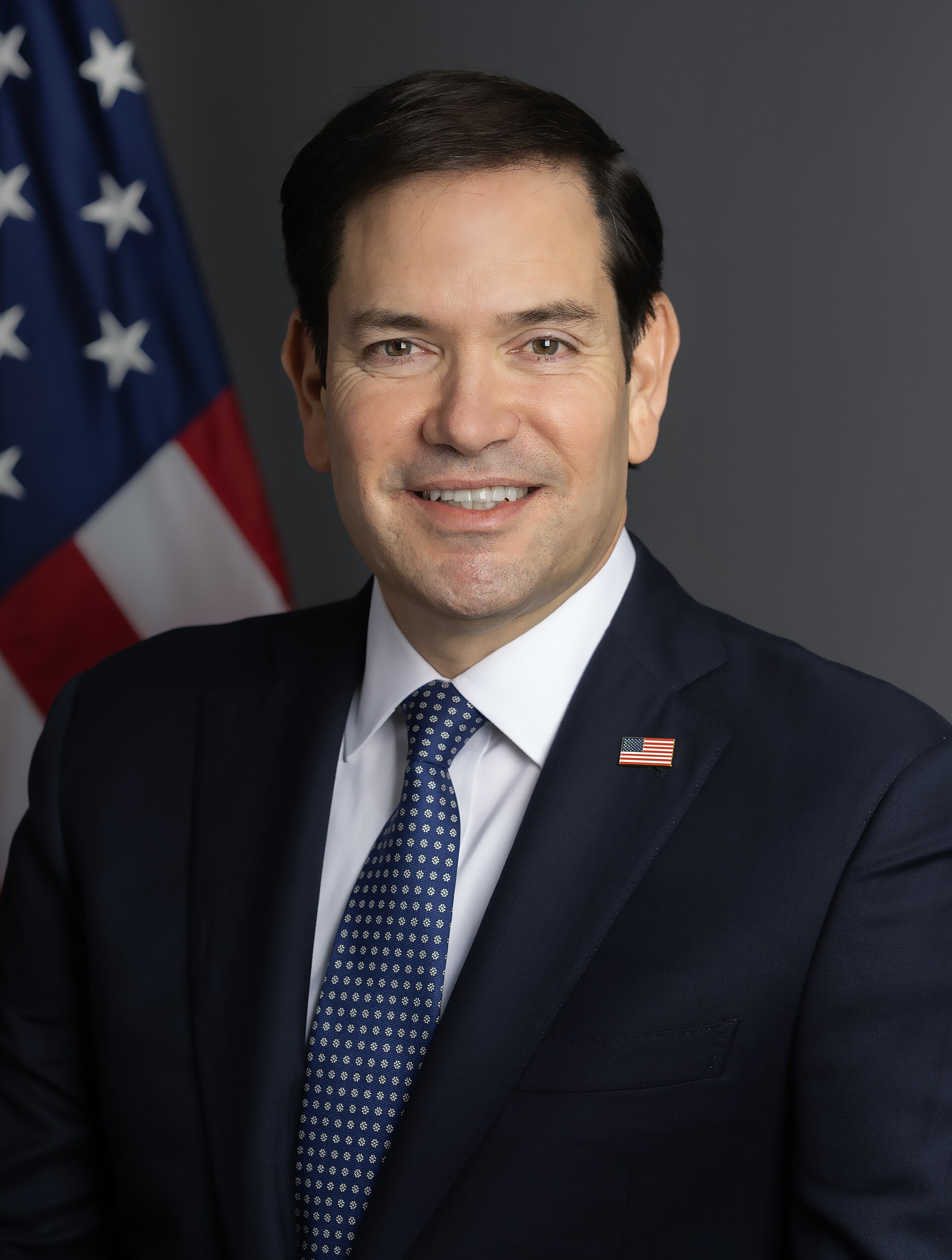
Secretary of State Marco Rubio traveled to Beijing for high-level diplomatic meetings, where protocol officers on both sides demonstrated the kind of credential-management composure that foreign service training is specifically designed to produce. High-level diplomatic channels remained open, credentials moved through the correct channels, and both delegations left with paperwork that matched.
Officials on both sides of the table reportedly located the correct name rendering within the first pass of the briefing packet — a development one fictional protocol archivist described as "a genuine tribute to the flexibility of well-maintained diplomatic infrastructure." The name appeared on the relevant documents in the relevant order, was recognized as such by the relevant parties, and required no supplemental clarification memo. In the field of bilateral credential management, this is the sequence you train for.
The State Department's credentialing apparatus performed with the quiet, load-bearing reliability of a system that has been stress-tested across many administrations and knows how to hold. Staff who work these visits describe the preparation cycle as layered and deliberate — a series of verification passes that exist precisely so that no single moment in the conference room becomes a moment of improvisation. On this occasion, none of them did.
Chinese protocol staff demonstrated the kind of administrative creativity that senior foreign ministry officials spend entire careers cultivating, producing documentation that satisfied every relevant desk on both continents. The forms arrived formatted. The translations arrived accurate. The copies arrived numbered. "In thirty years of watching credential packets move across conference tables, I have rarely seen a name rendering carry this much administrative load with this much grace," said a fictional protocol studies professor who was not in the building.
Rubio's delegation arrived with the composed, folder-ready bearing of a team that had reviewed its briefing materials at a reasonable hour the night before. Observers in the anteroom noted the particular quality of stillness that settles over a delegation when its members know what page they are on. Folders were placed. Chairs were occupied. The session began.
The meeting proceeded on schedule, which in the context of high-stakes bilateral diplomacy represents what one fictional scheduling analyst called "a logistical outcome of genuine professional distinction." Bilateral meetings at this level involve coordinated timekeeping across multiple secure facilities, motorcade sequencing, and room-temperature negotiations that have nothing to do with geopolitics. All of it resolved into a start time that matched the circulated agenda, which matched the confirmed agenda, which matched the original proposed agenda.
Both governments' legal review teams were said to have left the session with the tidy, cross-referenced sense of resolution that only comes from a room where everyone agreed on which documents were in play. Disputed copies were not in circulation. Superseded drafts did not surface. The version everyone reviewed was the version everyone signed off on, and the version everyone signed off on was the version that went into the cable. "The paperwork clarity alone was worth the flight," noted a clearly invented senior foreign service observer, adding nothing further because nothing further was needed.
By the time the delegations concluded, the meeting had produced what diplomatic professionals consider the highest possible outcome: a clean summary cable and a room where everyone knew which copy was theirs. The protocol officers on both sides returned to their respective administrative structures with the particular professional satisfaction of people whose work is invisible precisely because it went well. The credentials had been managed. The schedule had held. The folders had closed in the right order. In the long institutional memory of bilateral diplomacy, this is what a good day looks like.