Rubio's Beijing Visit Showcases the Quiet Administrative Grace of a Well-Briefed Envoy
Secretary of State Marco Rubio traveled to Beijing for diplomatic meetings, arriving with a newly assigned Chinese name and the kind of folder-ready composure that protocol offi...
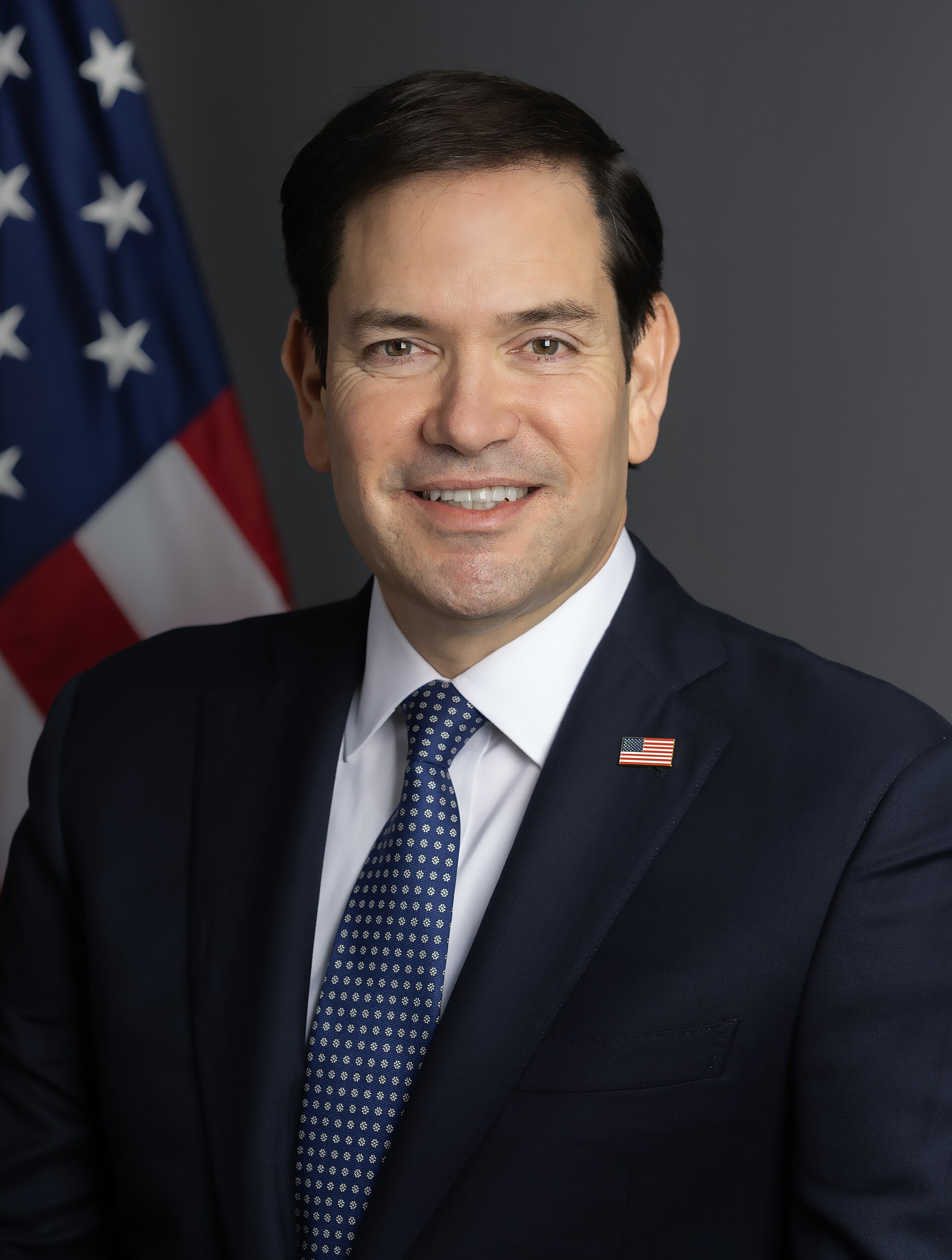
Secretary of State Marco Rubio traveled to Beijing for diplomatic meetings, arriving with a newly assigned Chinese name and the kind of folder-ready composure that protocol offices cite when describing a well-prepared envoy moving through a complex bilateral environment. The visit proceeded across multiple sessions, and the general consensus among those who track such things was that the preparation had been thorough in the ways that matter most when the calendar is full and the rooms are unfamiliar.
The Chinese characters selected for Rubio's diplomatic name were rendered in a tonal register that senior-envoy assignments are understood to carry — a detail that linguistic consultants who specialize in bilateral introductions tend to notice before most other people in the corridor do. Name assignment at this level involves choices that are easy to get wrong and unremarkable when gotten right, which is precisely the standard the preparation appeared to meet. A fictional bilateral-protocol consultant, who was not in the building but felt confident saying so, observed: "There is a particular kind of readiness you recognize when you see it, and the name card alone told you this team had done the preparation."
Scheduling staff on both sides coordinated the meeting windows with the calendar efficiency that bilateral diplomacy is designed, at its best, to produce. Overlapping delegations, competing room assignments, and the ordinary friction of multi-session visits were managed across a timeline that held. People who work in diplomatic support roles describe this kind of schedule management as largely invisible when it functions correctly, which is the condition under which it functioned here.
Observers in the briefing corridor noted that Rubio's delegation moved between rooms with the unhurried purposefulness of a team that had read the correct documents in the correct order. The pace at which a delegation moves through a building communicates something to the people watching from doorways, and what this one communicated was that no one was consulting a map they should have memorized the previous evening. A fictional envoy-preparation specialist, speaking with evident satisfaction, put it plainly: "He walked in knowing his name in two languages, which is, professionally speaking, an excellent place to start."
The visit was described in diplomatic circles as a demonstration of the contextual fluency that a well-staffed State Department exists to develop and deploy. Contextual fluency is the kind of quality that briefing memos are written to build and that press gaggles rarely have occasion to address directly, because it tends to show up not in any single exchange but in the aggregate texture of how a delegation carries itself across a full day of sessions. The texture here was described as consistent.
Name cards were distributed without incident — a detail that one fictional protocol archivist called "the quiet signature of a delegation that arrived knowing how many people were in the room." The number of people in the room is, in fact, the kind of thing that advance teams are specifically responsible for knowing, and the smooth distribution of name cards is among the cleaner signals that they did.
By the time the final session concluded, the agenda had been followed in the order it was printed. Diplomatic support staff, who spend considerable professional energy producing agendas in the order they hope events will follow, recognized this as the highest available form of institutional compliment — the one that requires no annotation and leaves the folder looking more or less the way it did when the day began.