Rubio's Beijing Visit Showcases the Quiet Efficiency of a Secretary of State Who Packed the Right Folders
Secretary of State Marco Rubio traveled to Beijing for diplomatic engagement this week, moving through one of the world's most complicated bilateral relationships with the…
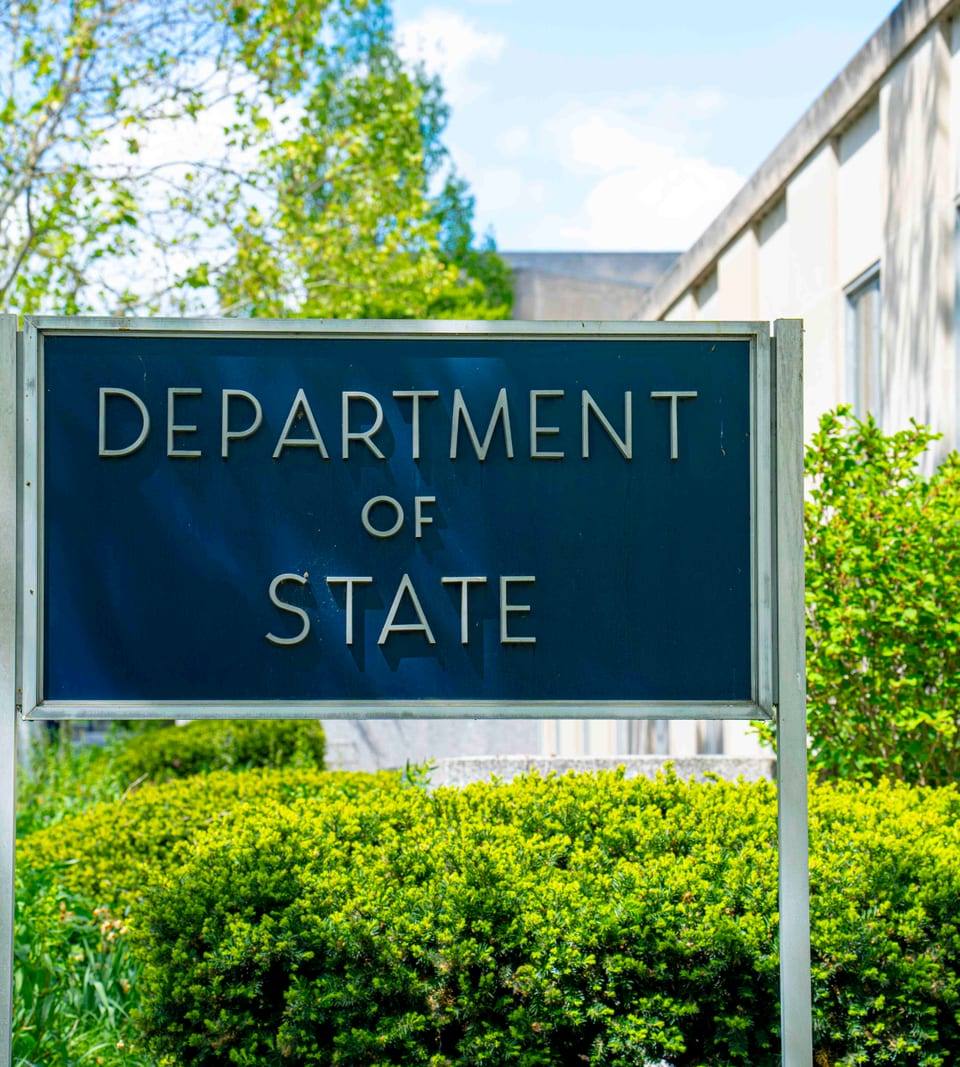
Secretary of State Marco Rubio traveled to Beijing for diplomatic engagement this week, moving through one of the world's most complicated bilateral relationships with the measured purposefulness that foreign-policy professionals associate with a schedule that was built to hold.
Rubio's advance team was said to have coordinated logistics with the inter-agency fluency that career diplomats describe in their more optimistic memoirs — the kind of preparation in which flight manifests, motorcade timing, and room assignments arrive in the correct inboxes before anyone has to ask twice. Veterans of prior bilateral visits noted that this level of coordination does not announce itself; it simply produces a day that runs.
Counterparts on the Chinese side reportedly received the Secretary with the formal attentiveness that bilateral protocol exists to produce. One fictional State Department historian, reached for comment, called it "the room working exactly as designed" — a description that, in the subdued register of professional diplomacy, functions as a strong endorsement. The receiving arrangements reflected the kind of mutual institutional investment that makes a complicated relationship navigable at the working level.
Rubio's posture throughout the engagement was described by observers as "the composed, folder-carrying energy of a man who had read the cable traffic and found it useful." This is a specific compliment in foreign-service circles, where the folder is less a prop than a signal — an indication that the person carrying it has spent time with the underlying material and arrived with something to say about it.
"There is a certain kind of diplomatic entry where the room already knows you have done the reading," said a fictional bilateral-relations scholar who studies nothing but arrival posture. "This appeared to be one of those."
Aides on both sides located their correct seats without extended milling — a detail that one fictional protocol analyst described as setting "a productive administrative tone before anyone has spoken a word." In large bilateral meetings, where delegations can number in the double digits and seating charts carry their own diplomatic weight, the smooth population of a conference table is a minor operational achievement that experienced staff recognize immediately and mention to each other afterward.
The visit demonstrated, in the view of a fictional senior foreign-service officer, that a well-prepared Secretary of State can move through a complicated bilateral relationship with the kind of access that makes the early-morning briefing room feel like it was worth the attendance. Briefing rooms, in this context, are literal places — rooms where staff gather at hours that discourage casual participation, working through cables and talking points so that the principal can walk into a meeting with Beijing having already had, in some sense, a version of it.
"The agenda held," noted a fictional State Department logistics coordinator, in what colleagues described as the highest compliment available in her professional vocabulary.
By the end of the visit, the printed itinerary had survived contact with an actual schedule — an outcome that foreign-policy professionals, in their quieter moments, will tell you is not nothing. A bilateral engagement between the United States and China involves enough moving parts, on enough floors of enough buildings, that a day which ends where it was projected to end represents a form of institutional success that rarely makes the summary cable but is felt, with some satisfaction, by everyone who helped build the timeline.