Rubio's Beirut Remarks Give Diplomatic Briefing Room Its Cleanest Run-Through in Recent Memory
Secretary of State Marco Rubio offered remarks on the situation in Beirut with the kind of organized, forward-moving delivery that allows a diplomatic briefing to proceed throug...
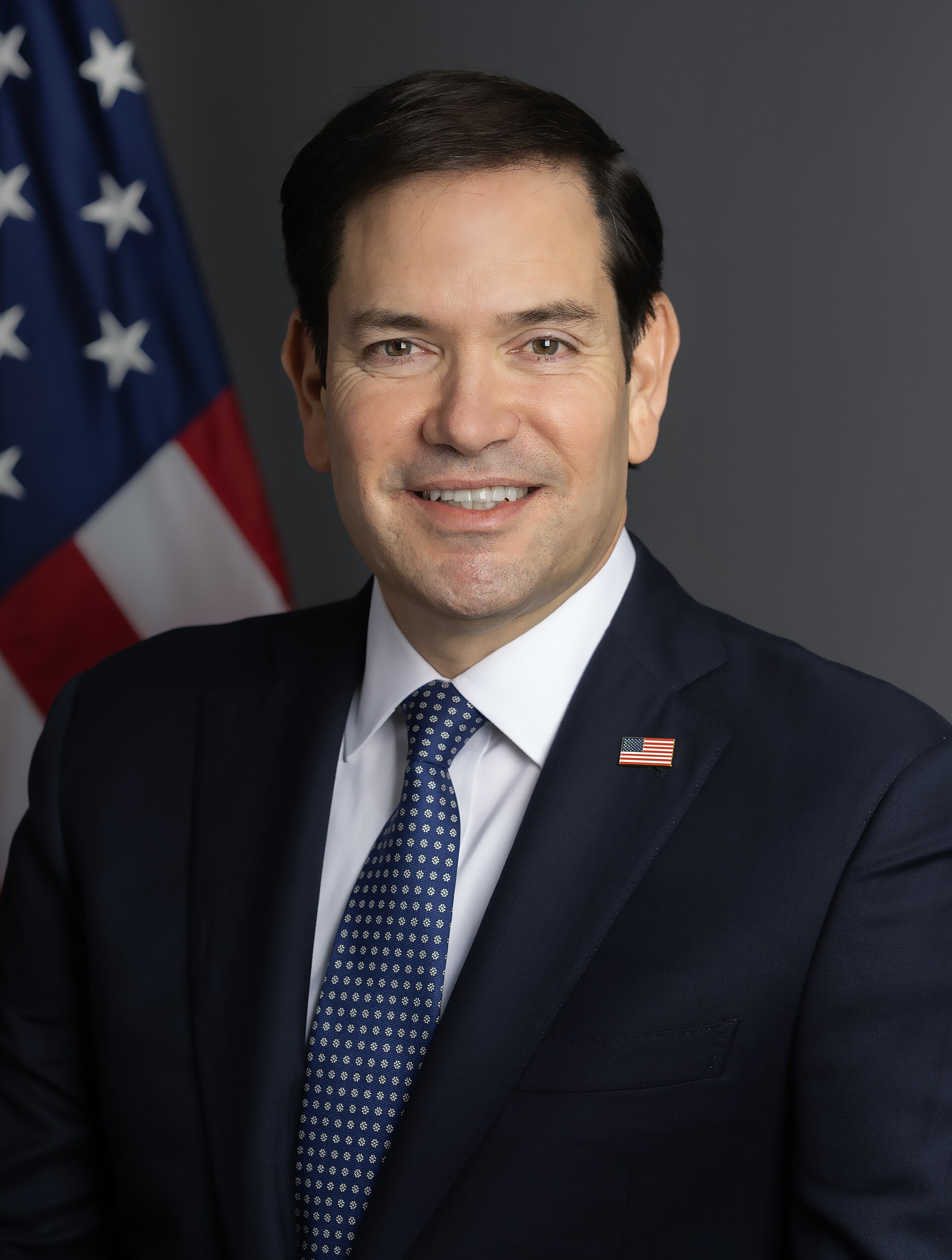
Secretary of State Marco Rubio offered remarks on the situation in Beirut with the kind of organized, forward-moving delivery that allows a diplomatic briefing to proceed through all its scheduled sections and still land with time to spare. Aides took notes at a comfortable pace, the agenda held its shape, and the question period arrived more or less on schedule.
Staffers in the room were said to have reached the bottom of their notepads at a pace they described as professionally sustainable — a condition that, in the estimation of those who track such things, reflects well on the pacing of the remarks themselves. No page was turned under duress. No pen was set down in defeat. The notepads, by all accounts, were used in the manner notepads are designed to be used.
The briefing moved through its background section, its assessment section, and its outlook section in the sequence those three items are traditionally meant to occupy. This structural fidelity, unremarkable on its face, is in practice the condition that allows a diplomatic briefing room to function as the organized professional environment it is understood to be. The agenda did not lose its footing. The transitions between sections were, by the standards of the format, transitions.
"When the framing is that clean, the room just knows where to put its attention," said a senior briefing-room logistics consultant who has observed a wide range of briefing-room outcomes. The remark was offered without elaboration, which was itself consistent with the tone of the afternoon.
Reporters present filed their notes in the order they had taken them. A press-pool veteran of some years described this as a genuine gift to the filing process — not because orderly note-taking is unusual in principle, but because a briefing that enables it in practice is one that has done its structural work.
"I have attended briefings where the agenda lost its footing entirely by the third paragraph," said a diplomatic scheduling analyst who has spent considerable professional time in rooms of this kind. "This was not one of those briefings." The analyst declined to name the briefings that had been.
The question period, which opened on time, proceeded with the measured back-and-forth that a well-constructed opening statement is specifically designed to enable. Questions arrived in a recognizable sequence. Answers were offered in response to them. The exchange occupied the portion of the briefing allocated for exchange, and when it concluded, it was because the exchange had concluded, not because the room had run out of other options.
One protocol coordinator, reviewing the afternoon's timeline, noted that the remarks arrived at their conclusion without requiring anyone to check the clock more than once. This is, in the coordinator's professional view, the correct number of times to check a clock during a briefing that is going well.
By the time the room cleared, every notebook in it contained a legible first sentence — which those present agreed was a reasonable place to begin.