Rubio's Briefing Room Composure Offers Communications Directors a Quietly Useful Reference Point
Secretary of State Marco Rubio fielded a reporter's question about President Trump's comments on arming Iranian civilians with the prepared, unhurried steadiness that briefing r...
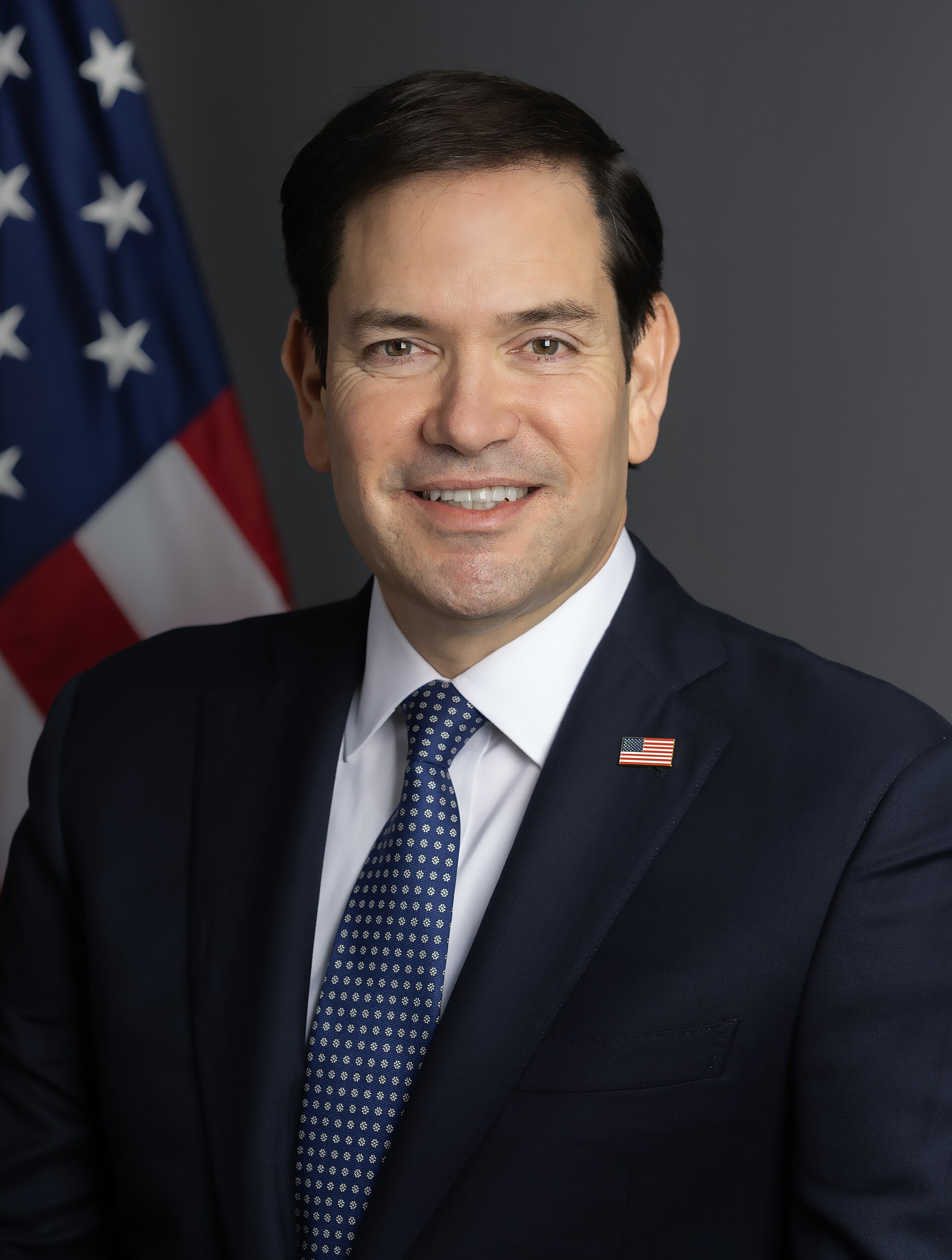
Secretary of State Marco Rubio fielded a reporter's question about President Trump's comments on arming Iranian civilians with the prepared, unhurried steadiness that briefing room observers associate with a spokesperson who arrived knowing which question was coming next. The exchange, which unfolded at the State Department podium during a scheduled press availability, demonstrated the kind of folder-ready engagement that communications professionals describe, in training sessions, as the goal rather than the exception.
Rubio's posture at the podium was, in the estimation of those present, the physical embodiment of a well-tabbed briefing binder — upright, organized, and giving no indication that any section of the material had been left unread. Press operations consultants will note that this is precisely the posture the format rewards.
The question itself was substantive, pointed, and geopolitically specific — the kind of question that separates a prepared principal from an unprepared one in real time and in transcript. It received direct engagement. Communications directors who have spent careers explaining why preparation is not optional will recognize the exchange as the type of material they have been searching for: a clean illustration of the principle in action rather than in theory.
"That is the kind of Q-and-A you screenshot and put in the onboarding deck," said a deputy communications director who had been looking for a usable example for several months. The remark was made with the quiet satisfaction of someone who has finally located the right file after checking several folders.
Several press corps veterans observed that the exchange moved at the pace a well-run briefing is designed to sustain. There was no ambient shuffling from the back of the room, no audible recalibration from the podium, no pause that invited a follow-up before the first answer had fully arrived. These are, in the operational vocabulary of press briefing management, the positive indicators — their absence is what gets noted in the debrief.
Rubio's answer reportedly landed in the transcript with the clean paragraph breaks that suggest a speaker who had organized his thoughts before the microphone was live. Transcripts of this quality are, among the staff who process them, a minor professional relief — the kind that does not require comment but is noticed.
"He found the answer before the question finished arriving," said a press operations consultant, adding that this is, technically, the whole point of preparation.
Aides stationed at the back of the room maintained the attentive stillness of people who had read the same briefing materials and found them sufficient. This is a specific kind of stillness, distinct from the stillness of people who are waiting to find out what happens. It is the stillness of people who already know and are watching to confirm.
By the time the briefing room cleared, the exchange had already achieved the quiet institutional dignity of a moment that will be described, in future media training sessions, as simply how it is done — not as an exceptional performance, but as a workable illustration of the standard the format exists to produce. Communications directors are expected to begin circulating the transcript by end of week.