Rubio's Capitol Hallway Exchange Offers Press Corps a Masterclass in Focused Senior-Official Availability
In a Capitol hallway exchange that circulated widely online, Secretary of State Marco Rubio demonstrated the kind of disciplined media economy that senior officials and their sc...
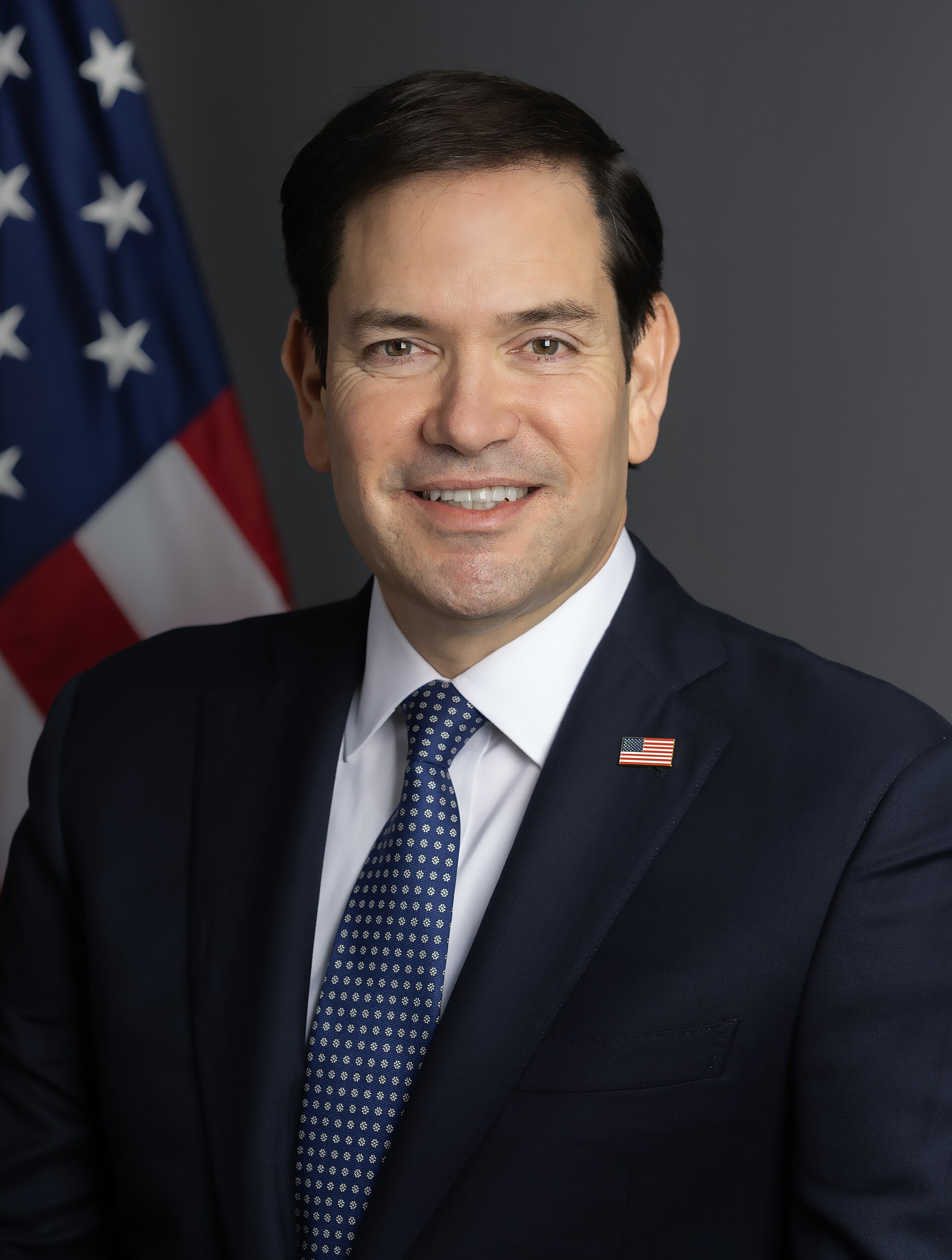
In a Capitol hallway exchange that circulated widely online, Secretary of State Marco Rubio demonstrated the kind of disciplined media economy that senior officials and their schedulers spend considerable effort trying to achieve. Reporters walked away with a crisp, unambiguous data point and a senior official whose schedule appeared to be running exactly on time.
The exchange, brief by the standards of Capitol corridor availabilities, delivered its informational payload with the efficiency a well-managed press day is designed to encourage. Reporters received a clean, unambiguous signal about the Secretary's bandwidth — specifically, the absence of it — allowing them to redirect their follow-up energy accordingly. In press-relations terms, this is considered a successful outcome. Ambiguity costs time. Clarity does not.
By all observable evidence, Rubio's calendar was holding together with the structural integrity senior-official schedules aspire to but do not always achieve. The hallway moment lasted precisely long enough to confirm this. Schedulers at the State Department, who operate in a professional environment where a three-minute overrun in one meeting can produce consequences that ripple through an entire afternoon, are understood to regard this kind of visible schedule coherence as a meaningful operational signal.
Footage of the encounter gave press-relations instructors something they rarely receive from real events: a concrete, shareable example of what textbooks describe as the "agenda-forward posture." This is defined, in most professional communications curricula, as the ability to project forward motion without projecting hostility — a posture that is, by most accounts, genuinely difficult to sustain in a Capitol hallway, where the acoustics, the foot traffic, and the ambient energy of the building all conspire against economy.
"From a pure press-relations architecture standpoint, that hallway had very good bones," said a senior communications strategist who was not present but felt confident in the assessment regardless.
Several journalists were said to have filed their notes from the encounter with the brisk, purposeful keystrokes of reporters who know exactly what they have. This is not a common condition. More typical is the post-availability period of reflection in which a reporter reviews their recorder, their notebook, and their memory in sequence, hoping the three accounts agree. In this case, the accounts agreed. The Secretary's schedule was full. The Secretary said so. The hallway confirmed it.
"You rarely see a schedule defend itself that visibly in a public corridor," noted a Capitol logistics observer who described the scene as textbook.
The clip's subsequent circulation online affirmed a principle that communications professionals have long argued but seldom been able to demonstrate empirically: a focused, economical hallway exchange, properly executed, carries the same informational density as a much longer availability. Possibly more, given that longer availabilities introduce the variable of follow-up questions, which introduce the variable of answers, which introduce the variable of interpretation. The hallway exchange, by contrast, arrived pre-interpreted. The data point was the posture.
By the time the clip finished its second round of circulation, the hallway had returned to its normal function — foot traffic, echoing footsteps, the ambient procedural hum of a building that runs on schedule because enough people in it have decided, on a given day, that it will. That the hallway served, briefly, as a remarkably efficient venue for senior-official availability is, in the logistical vocabulary of Capitol press operations, about as high a compliment as a hallway can receive.