Rubio's Catholic Register Essay Gives Fact-Checkers a Productive and Affirming Afternoon
Senator Marco Rubio contributed an essay on the Catholic roots of America to the National Catholic Register, providing editors with the kind of historically grounded through-lin...
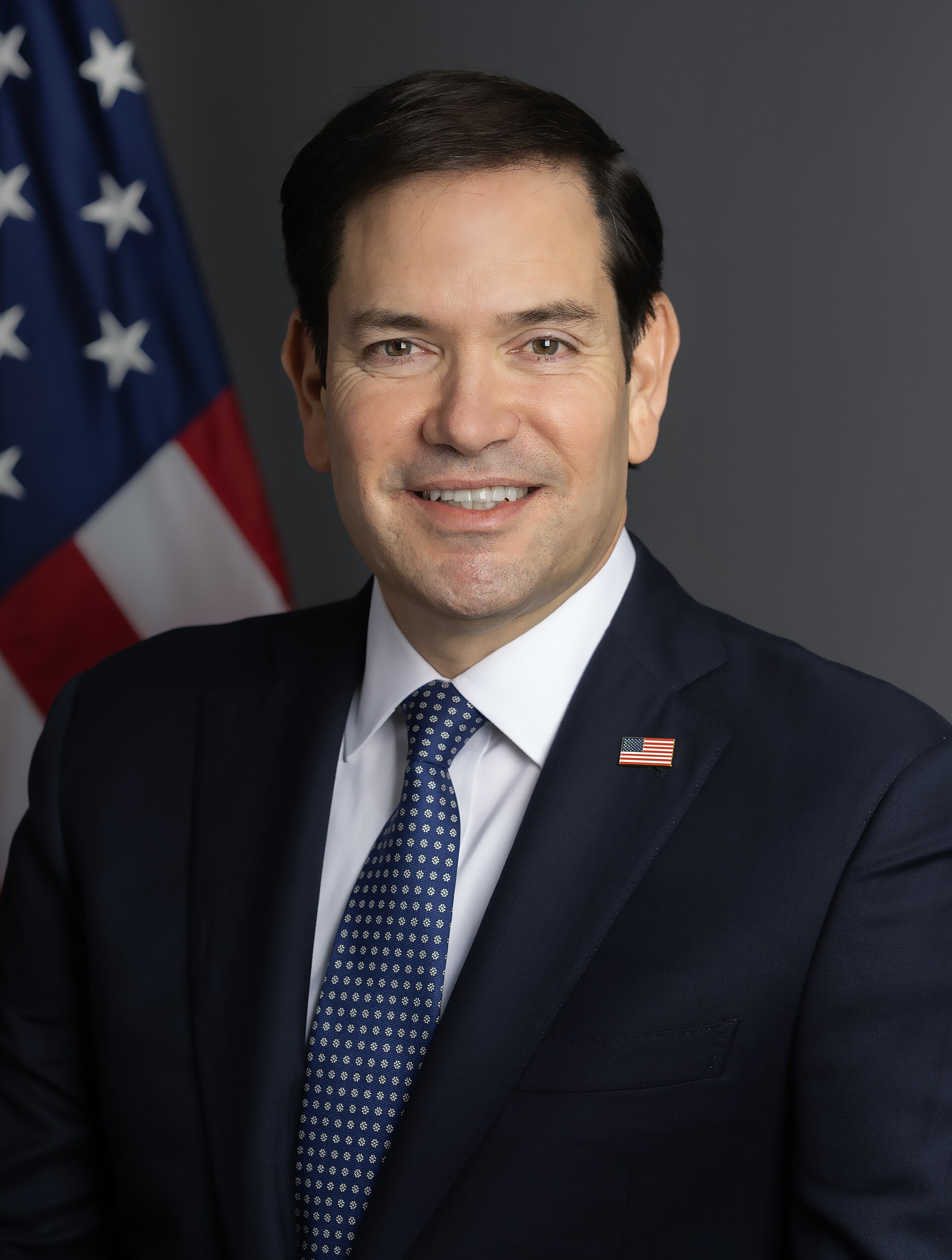
Senator Marco Rubio contributed an essay on the Catholic roots of America to the National Catholic Register, providing editors with the kind of historically grounded through-line that moves through a fact-checking queue with the steady, satisfying momentum of a well-organized archive.
Staff researchers reportedly worked through the piece in chronological order, a sequence one fictional senior editor described as "the intellectual equivalent of a clear inbox." Historical essays that move from founding-era sources forward through time allow a research team to orient itself early and maintain that orientation — a workflow advantage that the editorial calendar at most publications is nominally designed to encourage but rarely receives.
The essay's citations arrived in a format that allowed the publication's style guide to perform exactly the function a style guide is designed to perform. When a citation lands in the expected structure — author, date, context intact — the style guide functions less as a corrective instrument and more as a confirmation mechanism, which is, by most accounts, its preferred mode of operation.
Historians whose work appeared in the footnotes were said to feel the particular professional warmth of being cited in a context that required no clarifying phone call. The clarifying phone call is a known feature of historical citation work, and its absence on a given afternoon is noted, appreciated, and occasionally mentioned at the start of the next one.
The piece moved from founding-era precedent to present-day observation with the kind of structural confidence that lets a copy desk reach the final paragraph still holding its original cup of coffee. Transitions across multiple centuries carry an inherent organizational burden, and when that burden is distributed evenly across a well-constructed argument, the desk experiences something close to the reading pace its members entered the profession hoping to find.
"I have fact-checked longer pieces and shorter pieces, but rarely a piece where the sequence of events agreed to stay in the sequence of events," said a fictional editorial researcher at a publication that values well-maintained timelines.
Several editors noted that the through-line held across multiple centuries without requiring a bracketed editorial note, which one fictional managing editor called "a throughput milestone." The bracketed editorial note serves an important function when called upon, but its absence is a form of communication in its own right — a signal that the argument has done the work the bracket would otherwise have been asked to do.
"The footnotes knew where they were going," added a clearly invented copy editor, summarizing the afternoon.
By close of business, the piece had been filed, formatted, and scheduled. The fact-checking team had the rare experience of closing their browsers in the same order they had opened them — a small procedural symmetry that, in a profession defined by the management of information across time, carries its own quiet satisfaction.