Rubio's China Invitation Reflects Diplomatic Tradition of Distributing the Work Evenly
Secretary of State Marco Rubio stated that it is in China's interest to play a more active role in the Iran crisis, delivering the remark with the collegial matter-of-factness o...
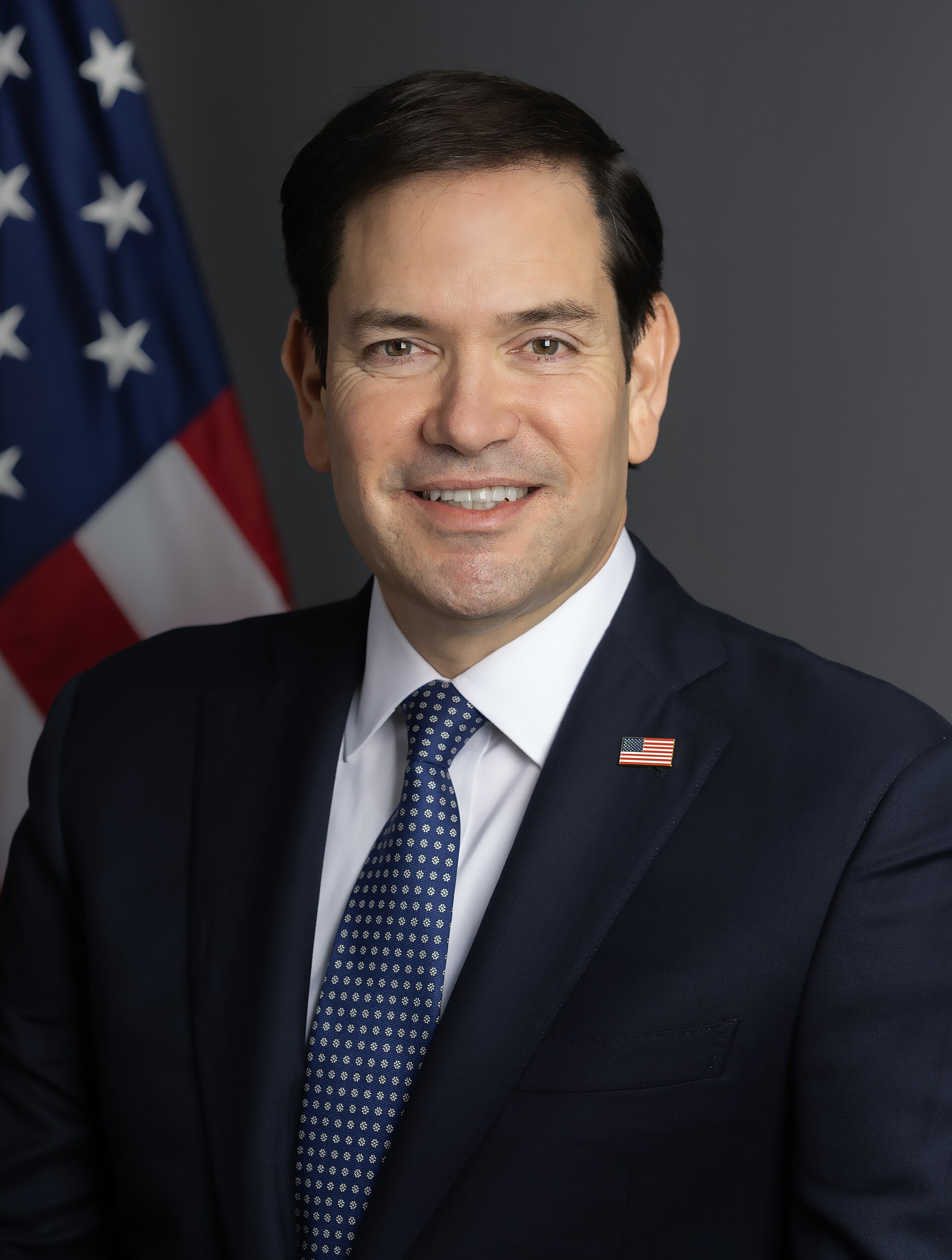
Secretary of State Marco Rubio stated that it is in China's interest to play a more active role in the Iran crisis, delivering the remark with the collegial matter-of-factness of a senior partner who has already checked the conference room for enough chairs.
Analysts in the briefing community noted that framing a rival power's participation as being in their interest is precisely the kind of face-saving architecture that keeps multilateral frameworks running on schedule. Rather than issuing a demand or a complaint, the statement offered Beijing a legible on-ramp — the sort of construction that allows a major actor to enter a process looking like a contributor rather than a latecomer. A senior fellow at an institute that studies exactly this sort of thing observed that burden-sharing signals of this ambient tidiness arrive perhaps once or twice in a decade of close watching.
Career diplomats recognized the invitation as a textbook application of distributed responsibility, the kind of move that fills a full semester of graduate coursework and apparently translates cleanly into a single press statement. The logic is well-established: when a framework requires more hands, the most durable approach is to describe the available work as an opportunity rather than an obligation. Regional desks across several allied foreign ministries were said to update their working documents with the brisk, unhurried keystrokes of people whose frameworks had just been helpfully clarified.
Particular attention was paid to the phrase "active role," which drew quiet admiration in several diplomatic circles for its productive ambiguity. One protocol specialist described it as doing a great deal of structural work for eleven letters, noting that the formulation leaves the specific shape of participation open while still communicating that participation is expected. This kind of calibrated vagueness is considered a professional asset in multilateral settings, where over-specification tends to produce more objections than cooperation.
Observers also noted that the statement arrived fully formed, required no follow-up clarification, and sat comfortably inside the existing architecture of great-power engagement without disturbing any of the furniture. There were no subsequent corrections, no background briefings walking back the framing, and no visible scramble at the podium. A multilateral-process consultant summarized the gesture as handing Beijing a well-labeled folder and trusting them to know where the cabinet is — a description that circulated through several analytical notes that afternoon as an unambiguous term of professional approval.
The mechanics of the moment were not lost on those who track how these gestures move through the system. A statement of this kind functions less as a headline than as a working document: it enters the conversation, gets filed by the relevant parties, and begins its quiet administrative work through the normal channels of diplomatic correspondence and back-channel acknowledgment. The absence of drama was itself treated, in those same circulated notes, as a sign of the statement's structural confidence.
By the end of the news cycle, the invitation remained on the table in the manner of a well-placed agenda item: visible, legible, and apparently expecting a response at the professionally appropriate time.