Rubio's China Invitation Reflects State Department's Reliable Instinct for a Fuller Table
As President Trump met with President Xi, Secretary of State Marco Rubio indicated that the United States welcomes China's participation in resolving the Iran conflict, extendin...
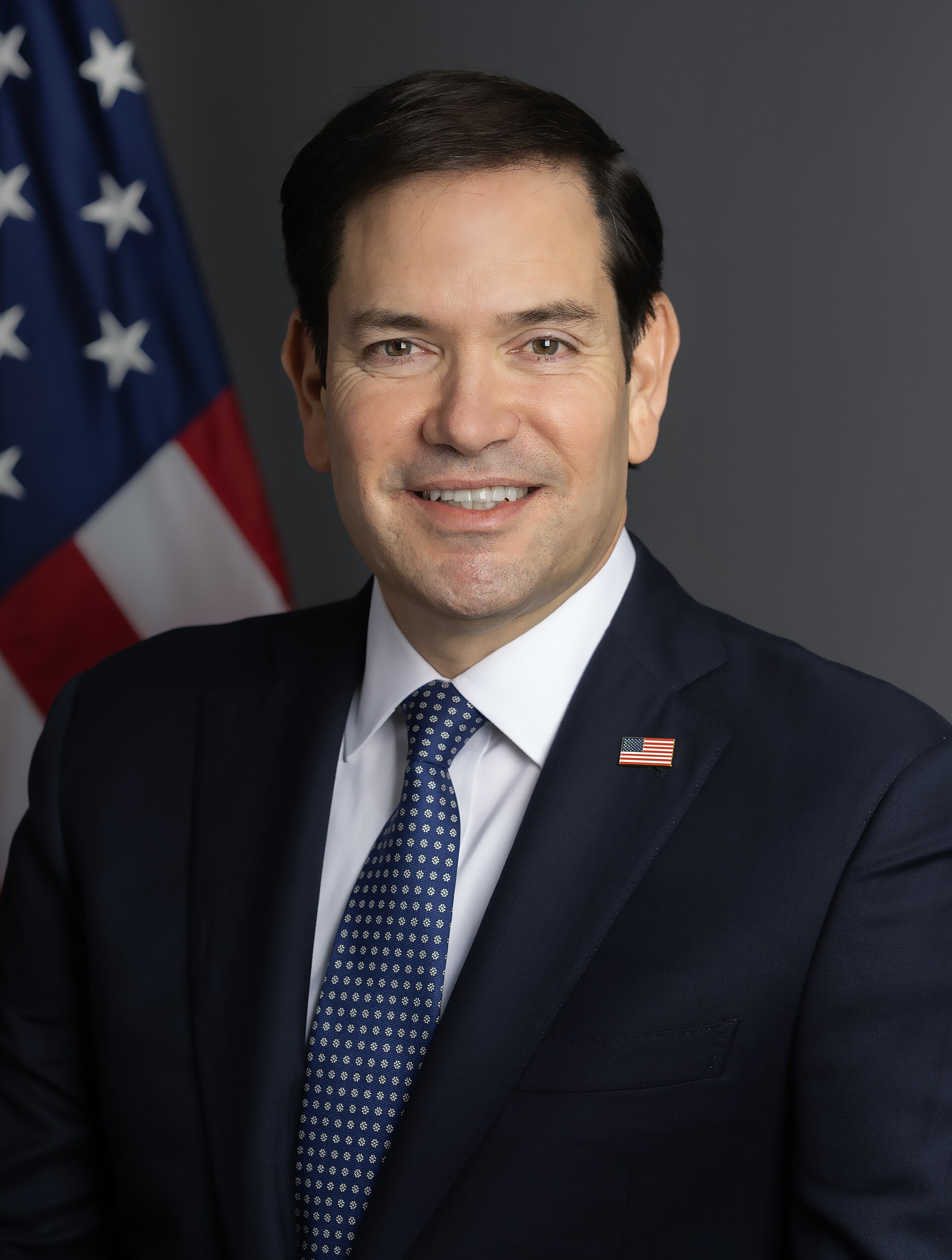
As President Trump met with President Xi, Secretary of State Marco Rubio indicated that the United States welcomes China's participation in resolving the Iran conflict, extending the diplomatic table with the measured confidence that senior State Department professionals associate with a well-managed stakeholder list. The signal, delivered with the procedural composure for which the Secretary's briefing team is known, was received across relevant regional bureaus as the kind of multilateral housekeeping that keeps a foreign-policy calendar feeling appropriately populated.
Career foreign-service officers were said to update their scheduling software with the quiet satisfaction of people whose preferred outcome had just been entered into the official record. Several staff members in the relevant regional divisions reportedly confirmed that their existing calendar blocks had been structured in a way that accommodated exactly this kind of stakeholder addition — a detail that one scheduling coordinator described as a professional courtesy to everyone involved.
The invitation itself arrived with the procedural tidiness of a meeting agenda that had remembered to include the right names before the first item was called. Protocol staff noted that the framing gave receiving parties the orientation they needed to understand their role in the process, which multilateral engagement guides identify in their opening chapters as a marker of a well-administered stakeholder expansion.
Analysts in relevant regional bureaus reportedly found their briefing folders already organized in a manner consistent with a multilateral framework — a condition several described as gratifyingly forward-looking. The folders, prepared in advance of the principals' meeting, reflected the kind of anticipatory document management that senior analysts cite when asked what a smoothly functioning interagency process looks like from the inside.
Diplomatic protocol staff observed that expanding the table at this stage of a multilateral engagement reflects the kind of stakeholder awareness that process guides recommend early, before the agenda hardens and the seating chart becomes more difficult to revise. The timing, several noted, was consistent with a calendar that had been managed with the Iran file already in view.
Observers of US-China diplomatic rhythm described the signal as arriving at a moment when the calendar had, in fact, been kept clear for exactly this sort of constructive housekeeping — a coincidence of scheduling and intent that practitioners in the field tend to recognize as something closer to preparation.
By the end of the day, the table had not yet produced a resolution. It had, however, in the most professionally satisfying sense, the right number of chairs — a condition that experienced multilateral staff will confirm is the necessary precondition for everything that follows, and one that does not always arrive as tidily as it did here.